


Grape season is in full swing: shop and market shelves are bursting with bunches of all shades — from translucent green to almost black. But are they all equally beneficial for our health? What distinguishes different varieties, where does the white film on the skin come from, and what do the latest scientific studies say about this berry, FitBook.de reports.
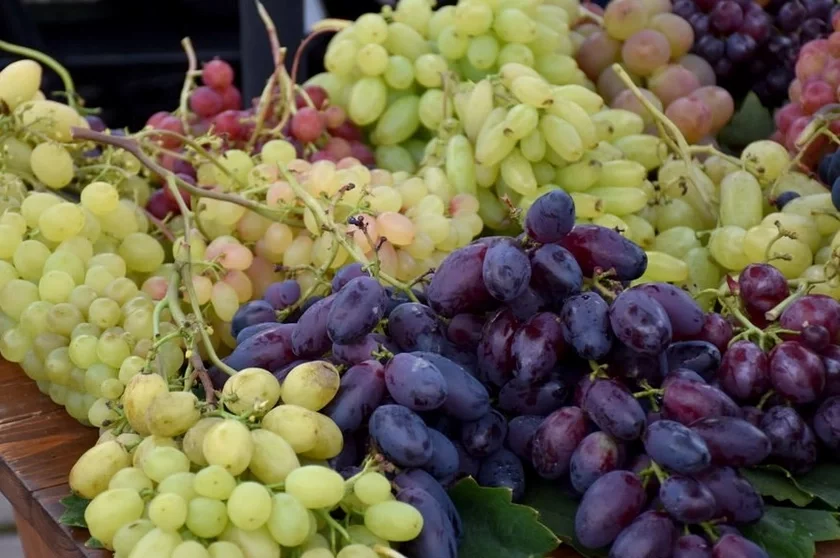
Grapes primarily consist of water, but also contain various vitamins and minerals. 100 grams of berries have about 72 kilocalories and approximately 15 grams of carbohydrates, while protein and fat are less than one gram. This portion also contains about 1.6 grams of fiber.
Among minerals, potassium is particularly prominent: there are about 200 milligrams per 100 grams. It is essential for the normal functioning of muscles and the nervous system, and also participates in regulating blood pressure. Grapes also contain magnesium, calcium, iron, and phosphorus.
Grapes also contain vitamins C, B1, B2, and B6. Additionally, 100 grams of berries contain about 43 micrograms of folate, which the body needs, in particular, for cell division and blood formation.
A significant portion of carbohydrates in grapes comes from fructose and glucose. Therefore, people with diabetes should consider that grapes can affect blood sugar levels.
The fiber in grapes aids digestion, but a large portion can also have the opposite effect. Due to the high content of fructose and fiber in the berries, bloating, pain, or diarrhea may occur.
If such symptoms regularly occur after eating grapes or other products with a high amount of fructose, one of the possible causes may be malabsorption. In such a case, the small intestine absorbs fructose only partially, so a larger amount of it enters the large intestine and can cause unpleasant symptoms.
If you want to lose weight, you don't necessarily have to give up grapes. They contain almost no fat, and thanks to their sweet taste, they can be an alternative to sweets. But due to their relatively high sugar content, you should monitor portion sizes.
However, so-called "grape diets," where one eats almost exclusively grapes for a certain period, are not recommended. Such a diet is too monotonous and does not provide the body with all the necessary nutrients, in particular, a sufficient amount of protein.
Color matters
The shade of the berries is determined not only by varietal characteristics but also by the concentration of beneficial phytochemical compounds. Although light varieties are wonderfully refreshing and rich in vitamins, nutritionists prefer dark blue, purple, and red bunches.
The fact is that the rich color of the berries is given by anthocyanins and flavonoids — natural pigments with powerful antioxidant properties. They neutralize free radicals, reduce chronic inflammatory processes in the body, and protect cell membranes from damage and premature aging.
Resveratrol is also found in grape skin. This plant substance is being studied in connection with its possible impact on cardiovascular health. However, the mere presence of such substances in grapes does not mean that their consumption can prevent certain diseases.
The seed dilemma
Many people choose seedless grapes. However, if seeds don't bother you, feel free to choose varieties with them. Secondary plant substances and fiber are found not only in the pulp and skin but also in the seeds themselves.
Grape seed oil, rich in polyunsaturated fatty acids, is also made from them. For some intestinal diseases, seeds may be tolerated poorly, so in such cases, it is better to choose seedless grapes.
What studies show
Scientists have found that consuming grapes and grape products can slightly lower blood pressure, although the effect is small and cannot replace treatment for hypertension.
In some studies, prolonged consumption of grape products was also associated with improved memory, concentration, and problem-solving abilities. And with short-term consumption, participants reacted faster in some tests.
There are also interesting results regarding vision and the microbiome. In a small study, older adults who consumed 46 grams of freeze-dried table grape powder daily showed an increase in certain protective pigments in the retina. Another experiment found changes in the number of certain gut bacteria, but it is not yet known what significance these have for health.
However, these results do not prove that grapes can prevent diseases: many studies were small, and some of them used grape powder or other grape products, not fresh berries.
How to choose, wash, and store
When buying grapes, remember that they do not ripen after harvesting. Therefore, you should choose only ripe and firm bunches. The white powdery coating on the skin should not be alarming: it is a natural waxy layer that protects the berries from drying out and is considered a sign of quality.
Before consumption, grapes should be thoroughly washed under running water. This helps remove residues of substances that plants might have been treated with against pests and diseases. However, you should not wash the bunches in advance. It is better to do it immediately before consumption. In the refrigerator, grapes can be stored for one to two weeks, depending on their condition.
As for cooking, grapes are suitable not only as a stand-alone snack. They beautifully complement the taste of aged and blue cheeses, add juiciness to meat salads and porridges. And washed and frozen berries can be used as a beautiful and tasty alternative to ice cubes in cold drinks and cocktails.


Comments
защищать
1) абараняць, бараніць
2) (предохранять) засцерагаць
(охранять) ахоўваць
3) (диссертацию, проект, диплом) абараняць
.... "высыханне" - гэта НЕ АГРЭСАР, каб ад яго АБАРАНЯЦЦА ))