


US Oil Executives Warn Global Fuel Crisis Containment Mechanisms Exhausted
The heads of the three largest US oil companies — ExxonMobil, Chevron, and ConocoPhillips — warned Donald Trump's administration back in March that a prolonged blockade of the Strait of Hormuz would inevitably lead to a global fuel crisis, including a shortage of petroleum products such as diesel fuel. Now, according to their assessment, this crisis has already begun. The Wall Street Journal writes about this after two energy conferences in Texas.
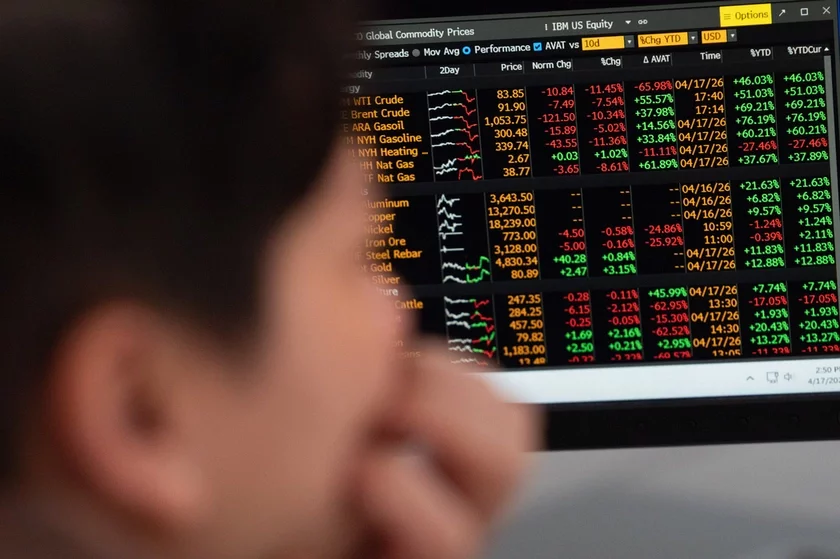
Chevron CEO Mike Wirth stated that the mechanisms that previously helped mitigate risks to prices and supplies are now "exhausted." Commercial fuel reserves worldwide have been shrinking for over half a year. Relying on significant replenishment from strategic reserves is also difficult: countries of the Organization for Economic Co-operation and Development decided back in spring to use 400 million barrels from them.
China, which previously significantly reduced oil imports and covered almost half of its daily consumption from its own reserves, has in recent weeks again started actively purchasing oil on the international market.
“Now our system doesn’t have the shock absorbers that were there at the beginning of the war in the Middle East,” Wirth said.
According to him, it is difficult to expect a quick reduction in oil prices.
“I'd like to tell you that I see some reasons for the situation to improve, but that's hardly possible now,” he noted.
Experts at energy conferences warn that without signs of a quick end to the conflict with Iran, the situation could spiral out of control.
In the US, the price of diesel fuel reached $6 per gallon last week for the first time in history, and this week it rose to $6.23. Gasoline, which cost less than $4 per gallon in summer, has increased to $4.32.
Since early July, when a brief easing of tensions occurred after the signing of a preliminary peace agreement between the US and Iran, oil prices have increased by one and a half times. On Tuesday, Brent crude oil prices exceeded $108 per barrel.
Traders expect a further deterioration of the oil supply situation and rising prices. The price of a two-month forward contract already exceeds the price of the nearest monthly contract by $4.7 per barrel. In mid-August, the difference was less than $2.
According to the International Energy Agency, since February, when the war began, global commercial oil inventories have decreased by a total of 507 million barrels, or an average of 2.8 million barrels per day. Thus, inventories accounted for almost 3% of the world's oil supply. However, according to Mike Wirth, market participants will no longer be able to deplete inventories at the same rate.
Rebecca Babin, Senior Energy Trader at CIBC Private Wealth Group, noted that the oil market finds itself in a difficult position. On the one hand, real factors still point to a reduction in supply, while on the other, statements from the parties to the conflict might indicate possible de-escalation.
According to her, as a result, the market will pay more attention to real oil volumes and infrastructure status than to political statements.
At the same time, oil company executives and experts consider the conflict with Iran, rather than the confrontation between Russia and Ukraine, to be the main threat to the global oil market. The escalation in the Middle East in recent weeks is causing particular concern in the oil industry.
The US is simultaneously trying to de-escalate tensions in other regions. Donald Trump stated that he would not ease economic pressure on Iran at least until the November congressional elections, but at the same time called on Ukraine to stop striking Russian oil refineries. He later stated that Russia and Ukraine had agreed to cease attacks on each other's oil facilities. Ukrainian President Volodymyr Zelenskyy announced that Ukraine is ready for an energy truce if Russia also abides by it. However, after this, the parties again exchanged strikes.
Will VanLo, founder and CEO of Quantum Capital Group, stated that in negotiations, the side that has more time and is prepared to endure difficulties longer usually gains an advantage.
“Iran is ready to endure difficulties. Its people have been enduring enormous difficulties for many decades,” he said.


A Young Belarusian Didn't Want to Serve Time in Russia for Drugs, So He Figured Out How to Quickly Get Out of the Colony — And Ended Up on Ukrainian Positions Near Pokrovsk


Comments
Калі не хоча быць бязногай тлустай качкай, будзе зараз пад выбары міратворцай на камеру.