


"Widow's Bay", Emmy winner, — the perfect balance of humor and horror
The mayor of a remote island dreams of transforming his backwater into a tourist paradise, but encounters evil. The series gains momentum with each episode, and in the final episode, the tension reaches a breaking point. Provincial mayor's office versus ancient evil: who wins?
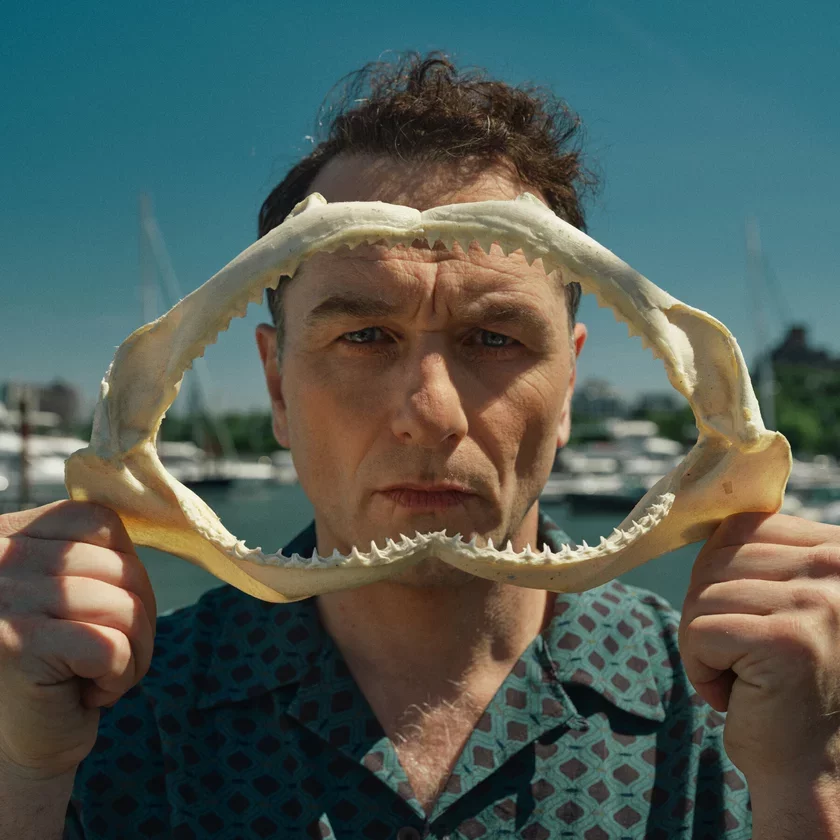
The series "Widow's Bay", created by Katie Dippold for the Apple TV+ platform, collected 14 awards at the 78th Primetime Emmy Awards ceremony. This is an absolute record for a comedy show in a single season.
According to the Associated Press, lead actor Matthew Rhys made history by taking home two statuettes at once: Best Actor in a Comedy and Best Actor in a Miniseries for another project.
Western critics are effusively praising the story of provincial officials and an ancient curse for its ideal balance between humor and horror.
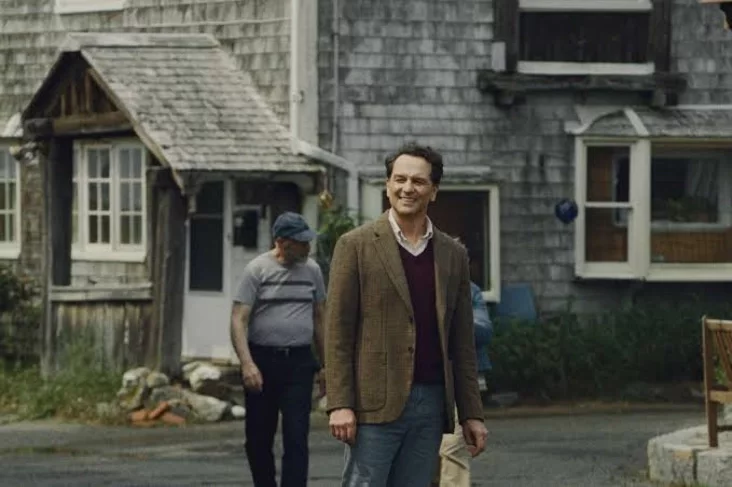
The main character, Mayor Tom Loftis (played by Matthew Rhys, known from the series "The Americans"), got his position in an uncontested election — no one else wanted the job. He is a stranger who once came to this New England island solely out of love for a local girl. His wife died, leaving him a son, Evan, and now Loftis categorically refuses to accept that his only child will have to languish in this swamp.
The place is almost idyllic: sea, forests, houses, boats in the bay — a charming open-air museum seemingly made for tourists. If such a series were filmed about the Belarusian hinterland, the main horrors would be the officials themselves, poverty, alcoholism, and desolation. Here it's different, because New England is a cozy and prosperous region, with a high standard of living. Horror is built on the contrast with the tranquility and well-being of a town almost isolated from the modern world.
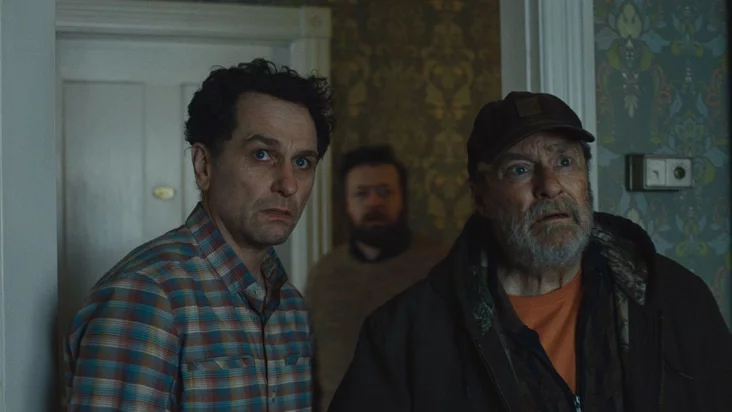
The local residents have long developed a syndrome of learned helplessness. They have grown accustomed to their quiet life, cut off from the mainland, and accepted mystical danger as an everyday norm. The absolute embodiment of this subservience to superstitions is the old fisherman Wyke, played by Stephen Root. He hysterically demands the town be shut down at the slightest manifestation of bad omens.
Loftis, eager to impress a journalist from The New York Times and attract investments, resolutely fights these fears.
The mayor is not a coward at all — he consistently challenges the irrational thinking of the townspeople, until he experiences firsthand that even the craziest tales of the old fisherman are true.
Matthew Rhys perfectly conveys the bewilderment, awkwardness, and quiet terror of a rational person pinned against a wall by an insurmountable and inexplicable mystical force. In this clumsiness, you recognize yourself in any extraordinary situation. However, it's unlikely any of us have faced a situation where a sea witch tries to choke you by sitting on your face.
Petty Officials Against Forces of Darkness
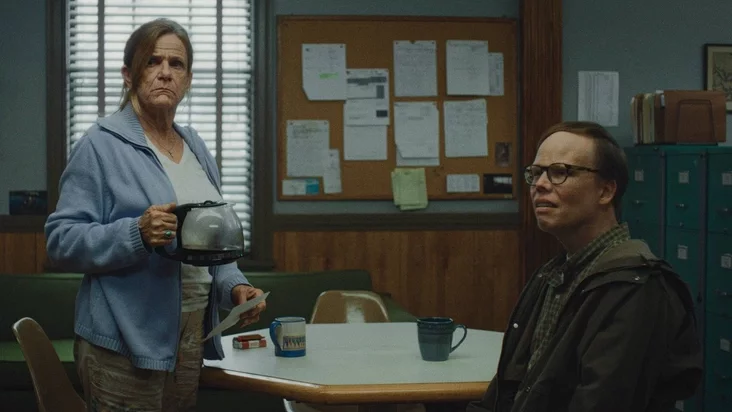
Loftis's team at the mayor's office looks as if it was assembled for a typical sitcom. Here works clerk Dale, who frightens with his mere eccentric appearance, and ninety-year-old screen veteran Kay Callan, who doesn't act but literally lives the role of the sweet grandmotherly secretary Ruth. These characters are not cardboard cutouts. Indeed, Rosemary's love for gossip and cynicism, embodied by Dale Dickey, turns out to be the flip side of her true abilities. At a critical moment, without taking a puff from her cigarette, she transforms into the Cigarette Smoking Man from "The X-Files," revealing the island's main secret to the mayor with the help of a projector.
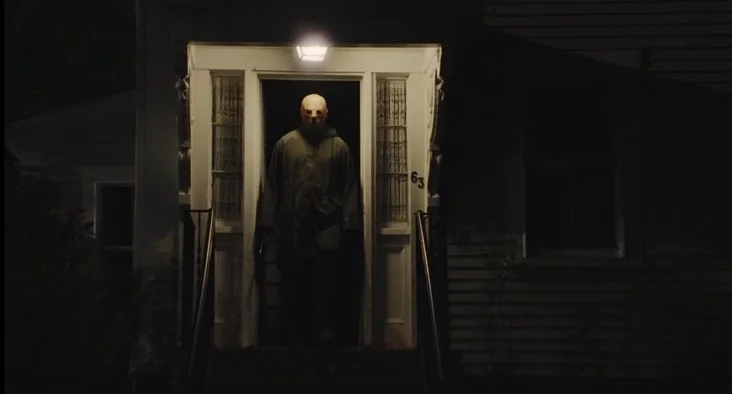
And all this caricature bureaucracy of a small town has to deal with the deadly dangerous secrets of its own island. The island itself, from which escape is impossible, plays the role of a classic "gothic house".
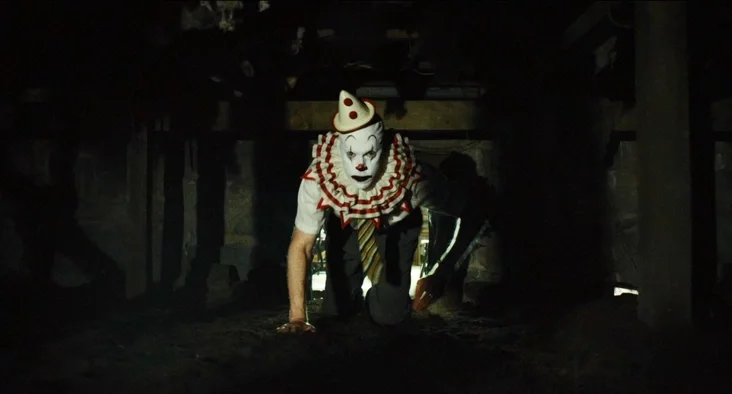
The creators transformed the series into a true anthology of American mass culture: here are masked killers in the spirit of "Halloween," and terrifying clowns in the basement, and cursed hotel rooms like in "1408," and ancient pacts with the devil, and folk horror about the first Puritan settlers.
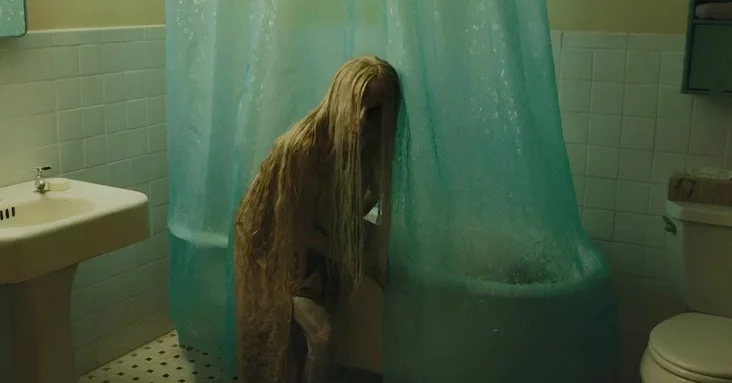
All these familiar archetypes are tightly intertwined with the absurdity of our daily lives. The comedy here is not in ridiculing monsters, but in people's real-life reactions to the paranormal around them.
Each character on the island encounters their own horrors, delivered as if by order. For Mayor Tom Loftis, fighting the island's curse is a reflection of his panic fear of losing control over his teenage son's life. For fisherman Wyke — the burden of past mistakes and irreversible losses, and for the mayor's assistant Patricia — loneliness and a craving for social recognition.
Evil draws its strength from human weaknesses.
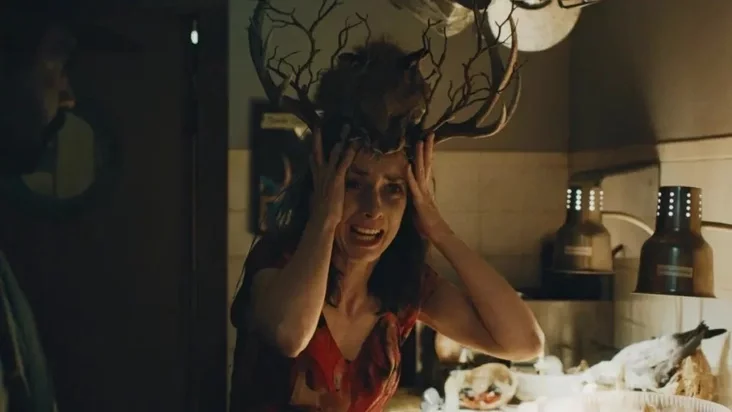
Patricia is probably the most vivid character in the series. It is her attempt to organize a perfect party with the help of a found black grimoire that shifts the story from light mysticism into intense horror. Patricia spent her whole life bearing the stigma of a lying loser — no one believed her teenage stories about how she survived an encounter with the Boogeyman.
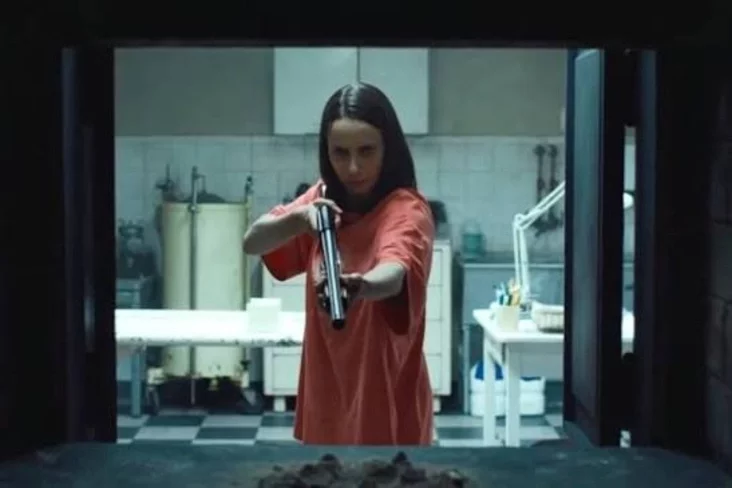
When Patricia again faces relentless evil, she initially acts like a typical victim. But facing the threat head-on, she takes matters into her own hands.
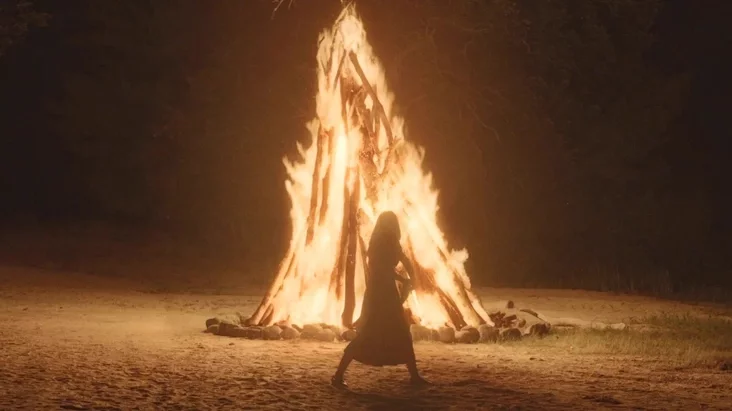
Each of us would want to be Patricia, even in a struggle with much smaller and less real fears.
The Trolley Problem
The series gains momentum with each episode. By the final episode, the tension reaches a point where it begins to seem that the black comedy will inevitably descend into true, pure horror, burying the viewer in corpses. However, the ultimate fall into hopeless gloom never happens. The creators masterfully maintain the original balance.
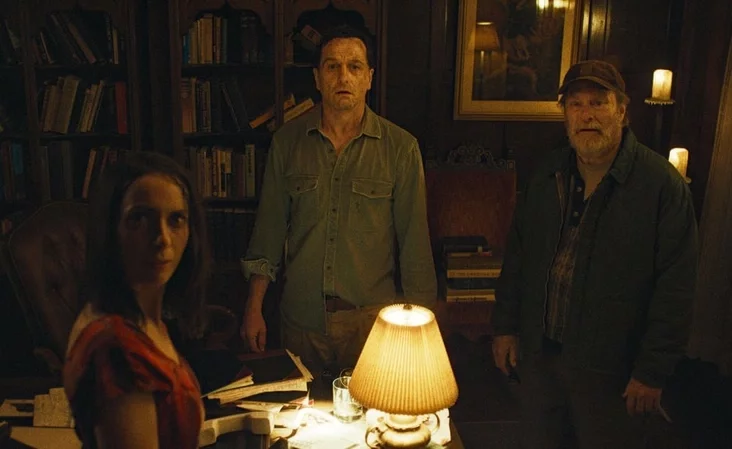
Closer to the climax of the first season, the horrifying root cause of all troubles is revealed.
And as a deadly storm approaches the island, the mayor faces the classic trolley problem: sacrifice someone for the welfare of the island, or not take sin upon his soul.
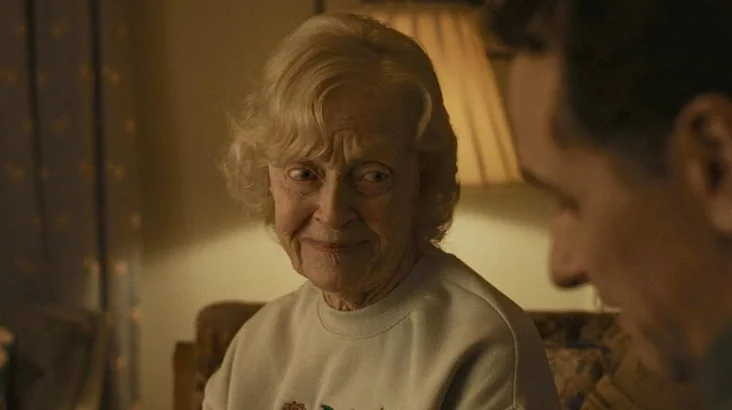
The season finale puts everything in its place and simultaneously nullifies the heroes' achievements. Provincial bureaucracy versus ancient evil: so, who wins?
«Nasha Niva» — the bastion of Belarus
SUPPORT USNow reading


«If you work at home, you have nothing to live for, and if you work in a truck, you have no time to live». Belarusian long-haul drivers spoke about their lifestyle

«If you work at home, you have nothing to live for, and if you work in a truck, you have no time to live». Belarusian long-haul drivers spoke about their lifestyle


A Young Belarusian Didn't Want to Serve Time in Russia for Drugs, So He Figured Out How to Quickly Get Out of the Colony — And Ended Up on Ukrainian Positions Near Pokrovsk


Comments