


Architect Shabuneuski was repressed for "criminal bridge construction" across thezh. There are still problems with the crossing there
Archival publications of the pre-war press made it possible to establish the formal reason for the criminal prosecution of the prominent Homel architect Stanislaŭ Šabunieŭski. The destruction of the bridge by a natural disaster, which the Soviet authorities qualified as conscious sabotage, became the pretext for his arrest.
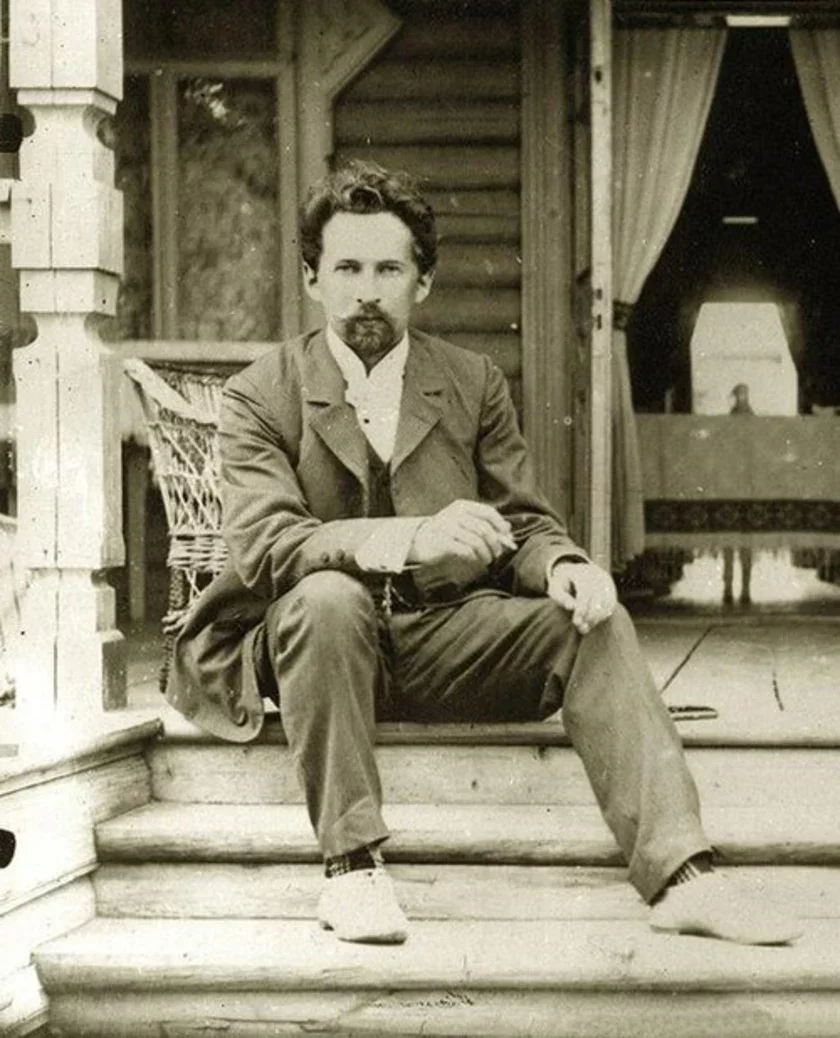
As the local history Telegram channel "In Search of Old Homel" writes, historians previously believed that the authorities might have remembered Šabunieŭski's presence in the city during the anti-Soviet Strakopytaŭ rebellion of 1919 or persecuted him for his noble Polish origin. However, the real reason was a different incident.
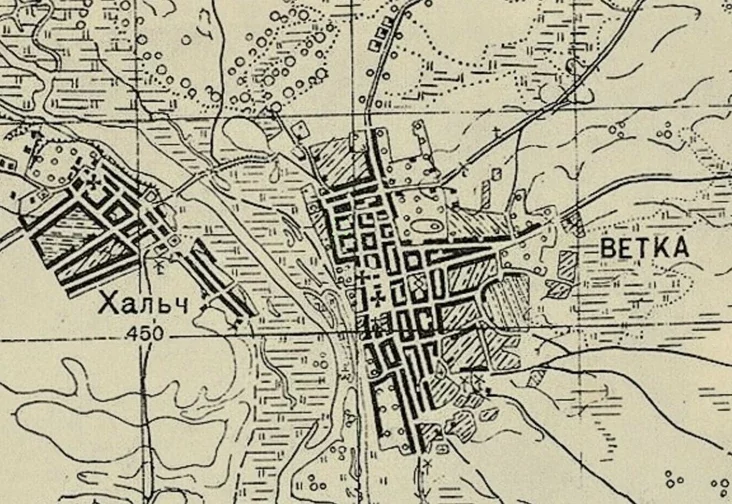
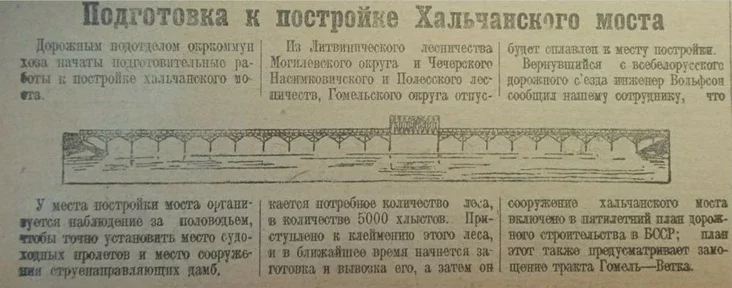
In 1927, the newspaper "Paleskaya Praŭda" published a note about the preparation for the construction of a large wooden bridge across the Sozh river near the town of Khalch in the Vetka district. The object was included in the five-year plan for road construction of the BSSR. For its construction, five thousand logs of timber (a log is a felled tree with a top, stripped of branches) were harvested, and at the design stage, specialists observed the floodwaters to determine the optimal location for navigable spans and flow-directing dams.
Despite the preparations, in the spring of 1929, the completed Khalchany bridge was completely swept away by a strong flood. The prosecutor's office launched a criminal investigation into the "criminal construction of the bridge." The culprits were accused of conscious sabotage and causing damage to the national economy, which fully corresponded to the political climate of the early 1930s in the USSR and the mass trials of the so-called "wreckers."

In February 1931, the prosecutor's office reported in the press on the completion of the investigation. An entire group of specialists was brought to justice: engineers Paŭlaŭ, Pastukhoŭ, and Kupryjanaŭ, technicians Yeŭlampjeŭ and Lisyjoŭ, road inspectors Narmanski and Valfsan.
Their direct supervisor, district engineer Stanislaŭ Šabunieŭski, became the main accused.
In the same February 1931, Šabunieŭski was arrested for the first time by the OGPU authorities. After some time, he was released, but in 1937, the architect, who designed dozens of prominent buildings in Homel, was re-arrested and sentenced by an extrajudicial body to 10 years in corrective labor camps. He did not return from imprisonment, perishing in a camp during the construction of the Belomorkanal. The architect's name was posthumously rehabilitated only in October 1989.
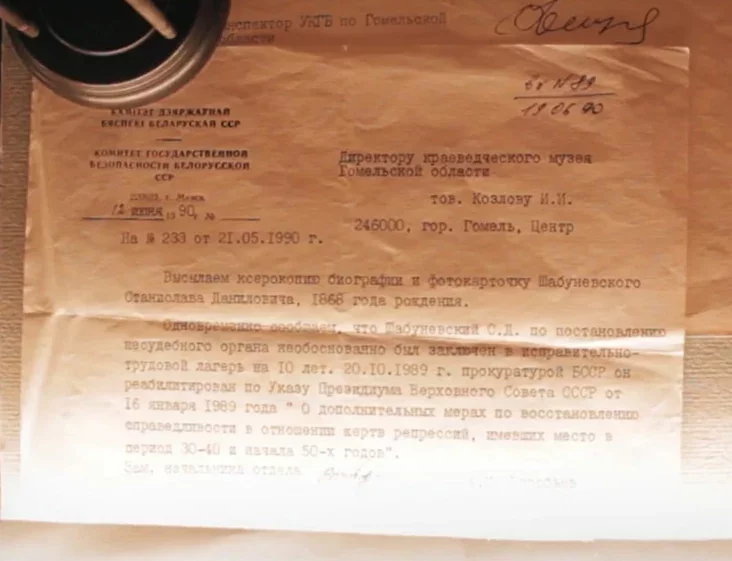
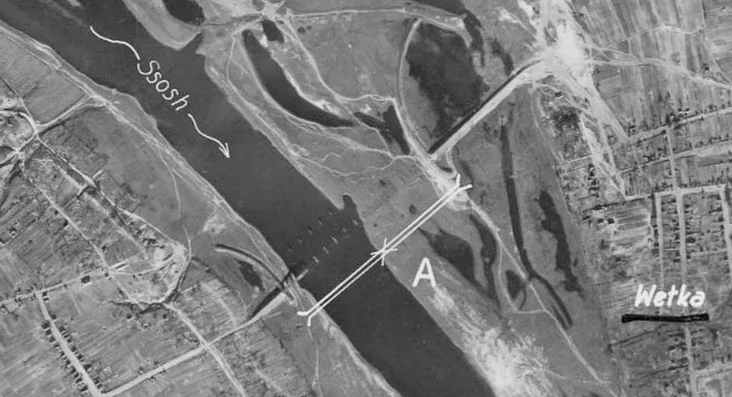
As for the bridge itself between Vetka and Khalch, this place remained problematic even later. The capital reinforced concrete crossing, built here in 1968, is also in a pre-emergency condition today, which led to restrictions on vehicle weight. As we reported earlier, a new modern bridge 540 meters long is now being built parallel to the old structure, with its completion scheduled for 2026.
-
Sofia, dotter till Volodar Glebovič. Danish Queen Sophia is still ours, a Princess of Minsk
-
A Man from Talachyn Became a Moscow Agent. He Had One Week Left to Live
-
In Germany, Emperor Otto I the Great, founder of the Holy Roman Empire, was reburied. He appointed the first Catholic bishop of Rus', but the mission was destroyed by pagans
Now reading


"On my son's phone, there were stickers of the flag and coat of arms of Russia. That's where it all started." The father of a schoolboy from Baranavichy told how his son was bullied by classmates

"On my son's phone, there were stickers of the flag and coat of arms of Russia. That's where it all started." The father of a schoolboy from Baranavichy told how his son was bullied by classmates


Vital from under Vileyka, who set fire to a house with his own children, enlisted in the Russian army. And disappeared on his very first combat mission


Comments