


Active preparation of the legislative framework for the legalization of driverless transport has begun in Belarus. In the next 2-3 years, relevant norms will be introduced into the traffic rules, and the movement of autonomous vehicles will begin to be tested on trams, writes Mlyn.by.
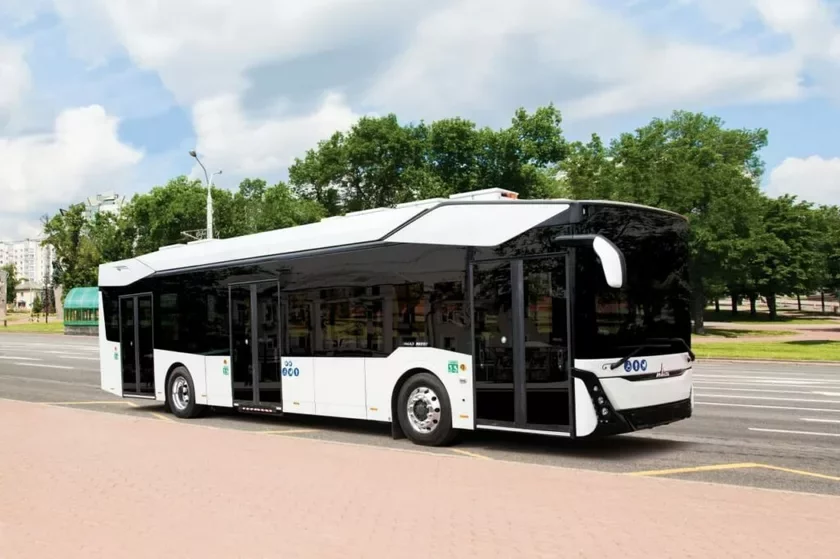
The issue of driverless transport movement has already been included in the plan for legislative changes. As Viktor Rotchankau, head of the State Automobile Inspectorate's main department, stated, work on the regulatory framework will take about 2-3 years.
— We are already starting to work on changing the legislation to provide access… possibly starting with trams, then with cars, so that drones specifically manage them, — Rotchankau explained.
According to him, it is planned to reach the final stage by 2028-2029, and the terms and concepts associated with driverless technology may appear in the traffic rules no later than 2030.
Driverless cars are already included in the priority directions of the socio-economic development program — along with artificial intelligence and biotechnology.
Simultaneously with legal norms, technical standardization is underway. First Deputy Chairman of Gosstandart, Alexander Burak, noted that the development of specialized standards has already begun: "On average, these are 10-20 standards that will be included in technical regulation programs. We plan that such work will begin to be included from 2027-2028."
As a successful example, he cited the recently adopted standard for personal mobility devices (PMD), which was approved at the site of the Interstate Council for Standardization at the end of July.
Now reading


Do you remember the Minsk resident who saved a flag from under the feet of riot police in 2017 — at the cost of his freedom? Now he, a former political prisoner, needs help

Do you remember the Minsk resident who saved a flag from under the feet of riot police in 2017 — at the cost of his freedom? Now he, a former political prisoner, needs help


"They see Belarus as part of Russia." What the rise of "Alternative for Germany" means, how far it can go, and how Belarusians should position themselves


Comments