


In Germany, Emperor Otto I the Great, founder of the Holy Roman Empire, was reburied. He appointed the first Catholic bishop of Rus', but the mission was destroyed by pagans
In Magdeburg Cathedral, the restoration of the tomb and reburial of Otto I, founder of the Holy Roman Empire, has been completed. The study of the opened sarcophagus and subsequent genetic analysis definitively confirmed the authenticity of the remains of one of the most influential monarchs of the European Middle Ages.
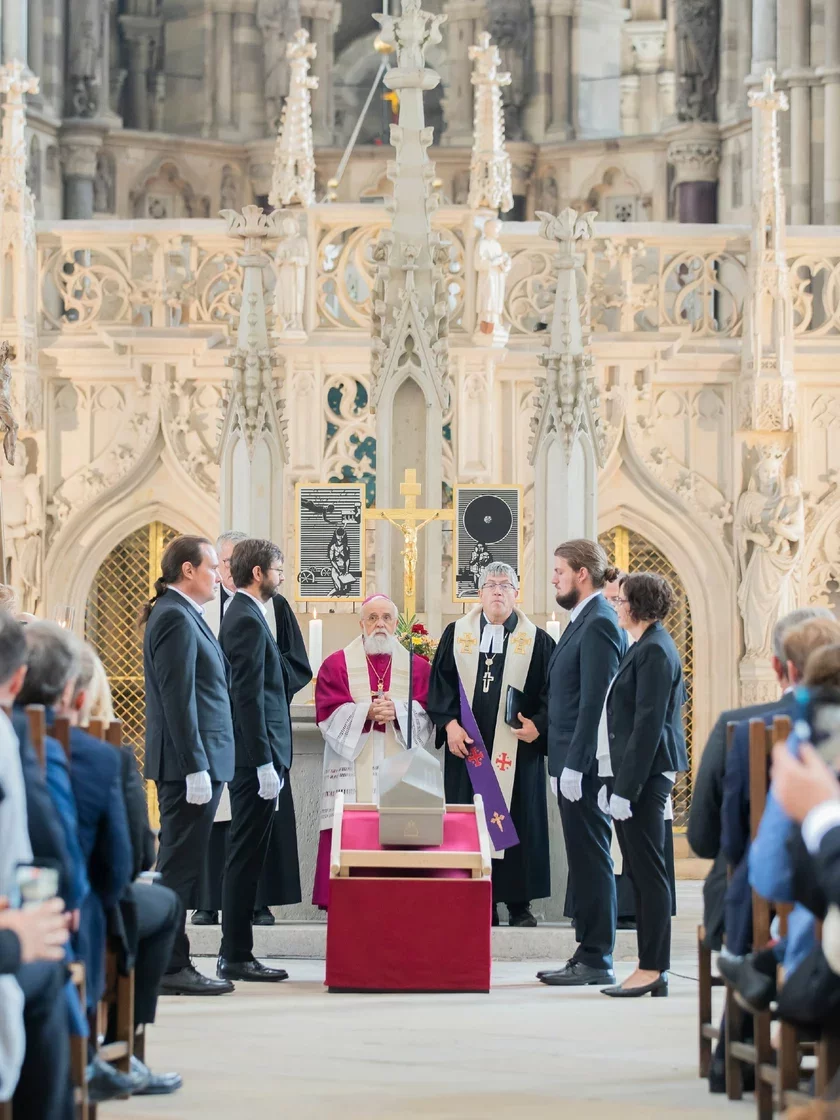
On September 1, 2026, an official reburial ceremony for Otto I took place in Magdeburg Cathedral, according to Süddeutsche Zeitung.
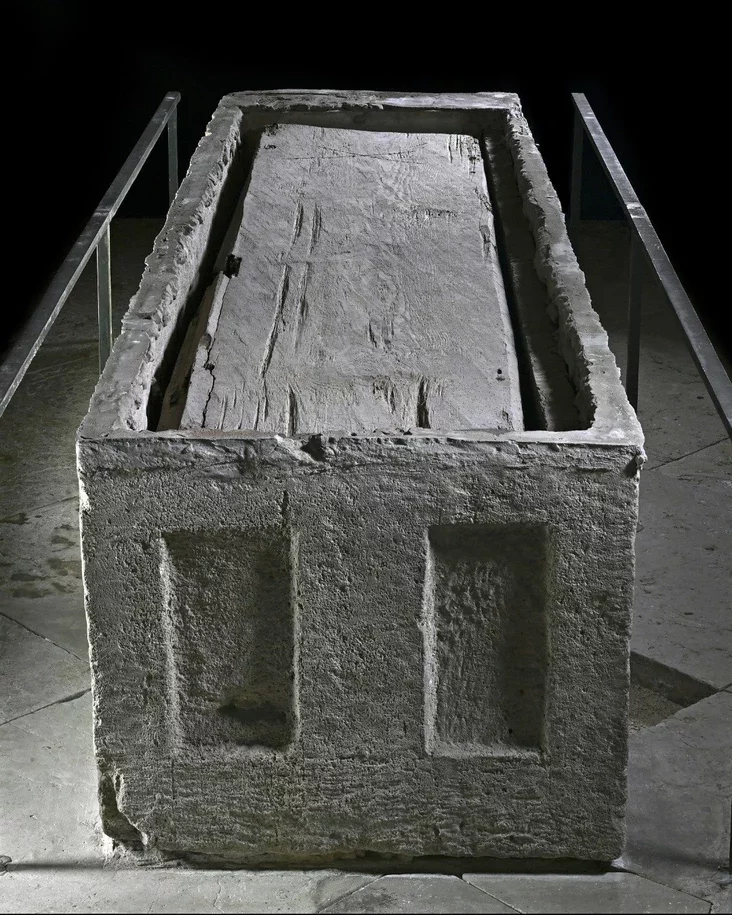
The critical condition of the historical figure's tomb was the reason for the extensive work. During monitoring in 2024, specialists detected microcracks in the limestone sarcophagus, caused by moisture penetration and corrosion of iron fasteners installed during a previous restoration in 1844. To prevent the complete destruction of the monument, the tomb was opened in January 2025.
Inside the sarcophagus, researchers found a damaged wooden coffin from the High Middle Ages, which was beyond further use. The Art Foundation of Saxony-Anhalt initiated the creation of a new container for the preservation of the remains. Halle jeweler Silke Trökel created a coffin just over a meter long (102 x 27.6 x 28.4 centimeters), using titanium, pure silver, and gold. The lid features a Latin inscription with a brief biography of the monarch and a note about the sarcophagus's restoration in 2026.
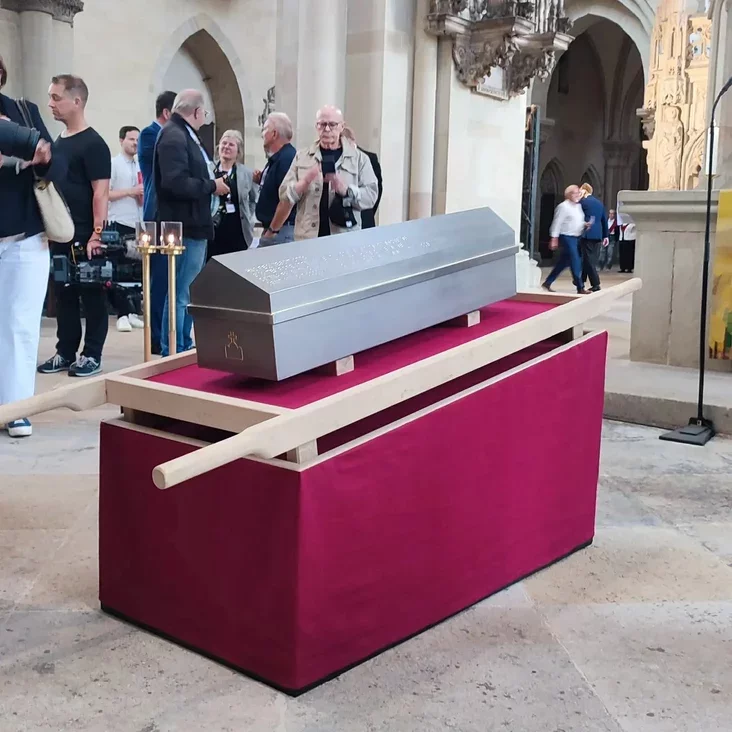
The ceremony was attended by Germany's Minister of State for Culture and Media Wolfram Weimer, Minister-President of Saxony-Anhalt Sven Schulze, regional Minister of Culture Reiner Robra, and other politicians. After the service, the titanium coffin was lowered into the restored stone sarcophagus. It will then be re-covered with an antique marble slab weighing about 300 kilograms, after which the tomb will be finally closed.
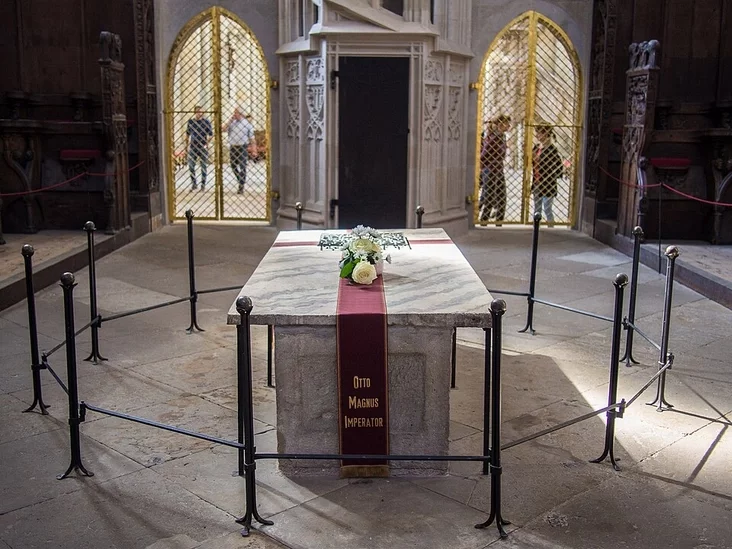
Otto I (912—973) belonged to the Saxon Ludolfing dynasty. Ascending the German throne in 936 after the death of his father Henry I the Fowler, he successively subjugated the tribal dukes to central authority, transferring key duchies to members of his family.
A decisive event of his reign was the defeat of the Magyars in the Battle of Lechfeld near Augsburg in 955. This victory ended decades of devastating nomadic raids on Central Europe and cemented the king's reputation as the primary defender of the Western Christian world.
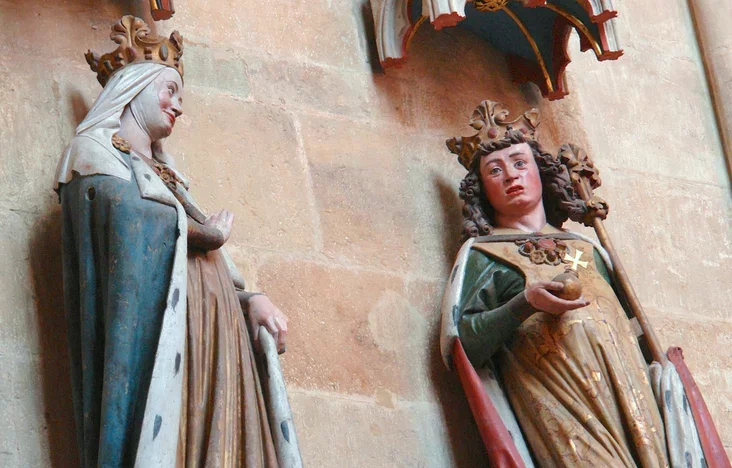
In 961, Otto I subjugated the Kingdom of Italy, and on February 2, 962, he was crowned emperor by Pope John XII in Rome, reviving the Western imperial tradition of Charlemagne. The state he founded, later known as the Holy Roman Empire, lasted until 1806.

To govern the country, the monarch relied not on secular feudal lords, but on bishops, endowing them with land and judicial rights, which went down in history as the Ottonian church system. His era brought about a large-scale cultural and educational revival, known as the "Ottonian Renaissance."
Magdeburg, where the monarch founded an archbishopric in 968, became the main residence of the empire and a springboard for advancing political and religious influence into the Slavic lands.
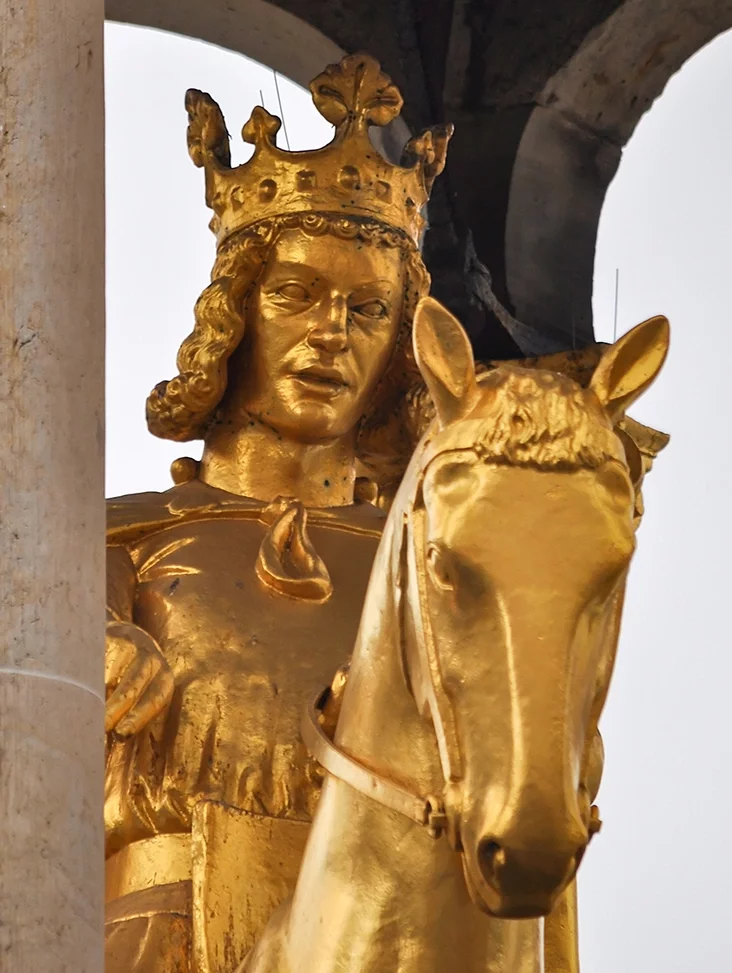
What the Emperor's Remains Revealed
The primary task of the researchers was to confirm that the sarcophagus indeed contained the remains of Otto I. Specialists from the Max Planck Institute for Evolutionary Anthropology in Leipzig compared DNA from the Magdeburg burial with bone samples from Bamberg Cathedral belonging to Emperor Henry II. The analysis proved a third-degree kinship on the paternal line. This result fully corresponds to historical data, according to which Henry II was the great-nephew of the empire's founder.
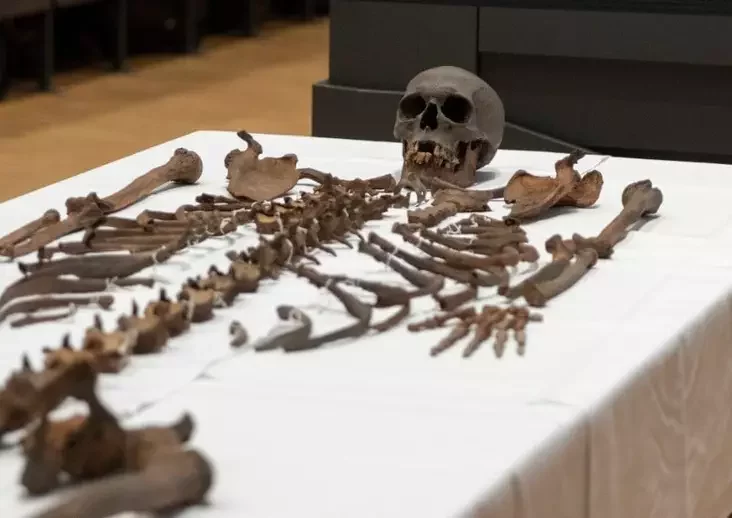
Professor of Biology at the University of Hildesheim, Stefan Flor, notes that the man's age at the time of death was between 55 and 65 years. This matches the monarch's biography, who died in 973 at the age of 60. The emperor's height reached 1.80 meters, making him about 10 centimeters taller than the average 10th-century German man. Clear traces of muscle attachment on the pelvic and thigh bones indicate constant horseback riding. Signs of arthritis and ossification of cartilage tissue were observed in the knee and hip joints. Additionally, biologists discovered a systemic pathological component indicating a metabolic disorder. The presence of such a disease confirms the person's high socio-economic status and his diet, rich in animal protein and freshwater fish.
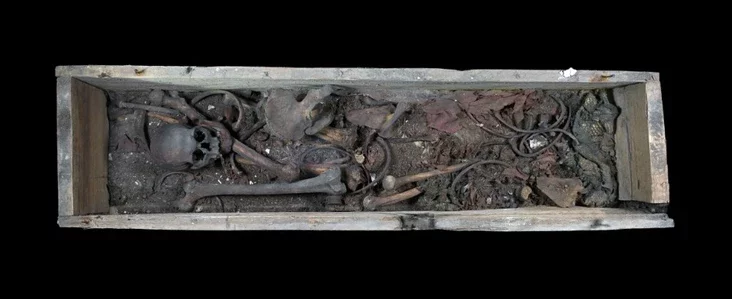
Scientists also investigated numerous injuries sustained by the monarch during his lifetime. Traces of a healed fracture were found on the left forearm. The skull showed signs of a hacking wound in the occipital region and a blunt force trauma to the facial area. According to researchers, the facial trauma may have caused the loss of three upper incisors.
The condition of the jaw was complicated by periodontitis, tartar, and the presence of caries on one of the teeth. Head of the Department of Oral and Maxillofacial Surgery at Halle University, Frank Tavassol, explained in a comment to Tagesschau that the emperor never brushed his teeth: at that time, such a habit did not yet exist.
Evidence of multiple interventions in the burial is indicated not only by the condition of the bones but also by the contents of the wooden coffin. Fragments of red Byzantine or Spanish silk, a blue blanket with silver threads, as well as eggshells and fruit pits were found next to the skeleton. Among later artifacts, a piece of window glass and a 13th-century Magdeburg coin were discovered, confirming the sarcophagus's opening in later eras.
Lid ripped from an ancient monument
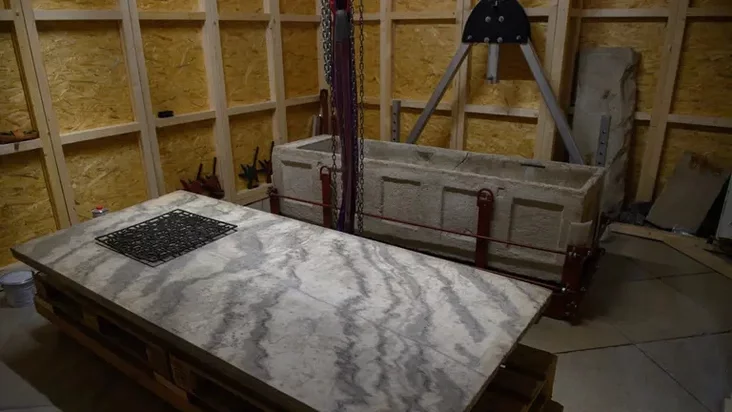
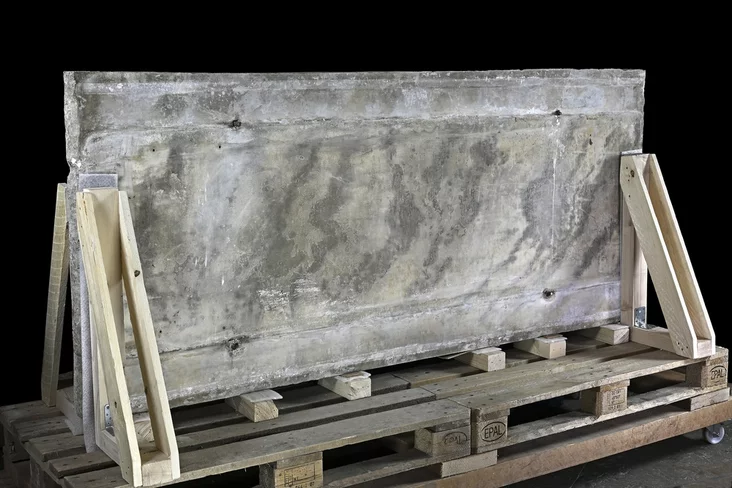
A separate area of research for the investigators was the study of the massive marble slab weighing about 300 kilograms, which covered the sarcophagus, not matching its size at all. Previously, it was assumed to be made of Italian Carrara marble or brought from the Greek island of Euboea. Archaeometric analysis, the results of which were published in the scientific journal Heritage, refuted these claims. The study of oxygen and carbon isotopes, as well as the chemical composition of trace elements, proved that the material was extracted from the Proconnesian quarries on the island of Marmara near Constantinople.
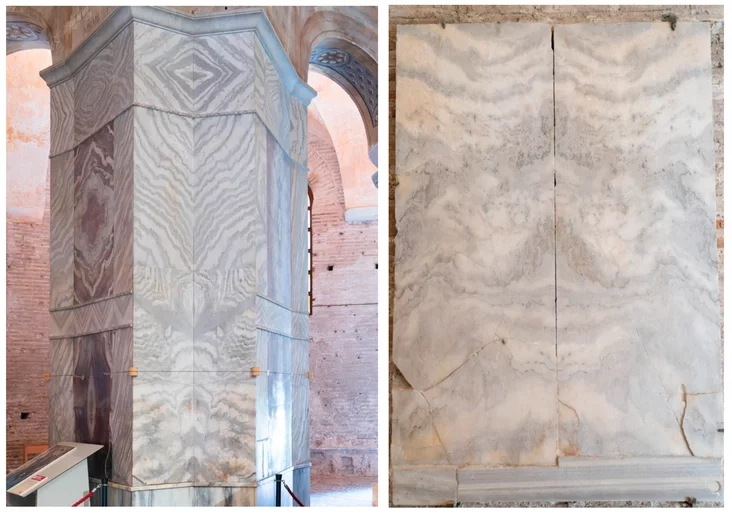
Similar marble slabs were used in Hagia Sophia and the Basilica of San Vitale in Ravenna. Petrographic characteristics confirm that the lid of Otto I's sarcophagus is an antique or late antique spolia — an architectural element taken from an earlier structure. The monarch could have brought it from Italy, where he spent much time, or reused a detail from old Roman buildings north of the Alps.
Failure of Adalbert's mission to Rus'
The political interests of Otto I the Great were not limited to Western Europe and even extended to Kievan Rus'. In 959, Princess Olga sent envoys to the German king with a request to appoint a bishop and priests for her people. According to the authors of the publication "Orthodox Encyclopedia," this appeal was a tool of Kyiv's diplomatic pressure on Byzantium to create its own independent Church.
The preparation of the mission was delayed due to the death of the initially appointed monk Libutius in early 961. In his place, the monk Adalbert of Trier monastery became the head of the delegation and the first bishop of the Rus'.
In the autumn of 961, he arrived in Kyiv, where the political situation had already radically changed. Power had effectively passed to Olga's son, Prince Sviatoslav, who relied on the pagan elite and removed his mother from governing the state.
The Latin mission suffered a complete collapse, and in early 962, Adalbert was forced to hastily leave Rus'. During the return journey, the delegation was attacked by pagans, killing some of the bishop's companions.
Adalbert himself narrowly escaped and returned to Germany, where he continued to work in the imperial chancery.
In 968, Otto I founded the Archbishopric of Magdeburg to expand influence over the Slavic lands, and Adalbert became its first head. He personally recorded the history of his unsuccessful expedition to the Rus' in his work "Continuation of Regino of Prüm's Chronicle."
«Nasha Niva» — the bastion of Belarus
SUPPORT US-
Exceptional Case: Pronya River Eroded Bank with Burial Mounds, Revealing a Pot of Rare Perfection, 5000 Years Old
-
Archaeologists uncovered the mighty foundation of the western wall of Polotsk Saint Sophia Cathedral
-
A denarius of Vytautas and ornaments like those from early Christian cemeteries in Kernave and Vilnius found in Poltava region


The electronic "Belarusian Encyclopedia," created as a space for "reliable knowledge about Belarus," was quietly liquidated along with its editorial team. A heap of articles was handed over to Gigin


Comments