


Japanese freshwater shrimp are rapidly spreading in the Danube Delta in southern Romania. This species entered local waters from fish farms and has significantly increased its numbers over the past five years. Now, the shrimp are already displacing crayfish, and biologists do not rule out that they could also affect populations of pike, zander, and perch, writes Observator.
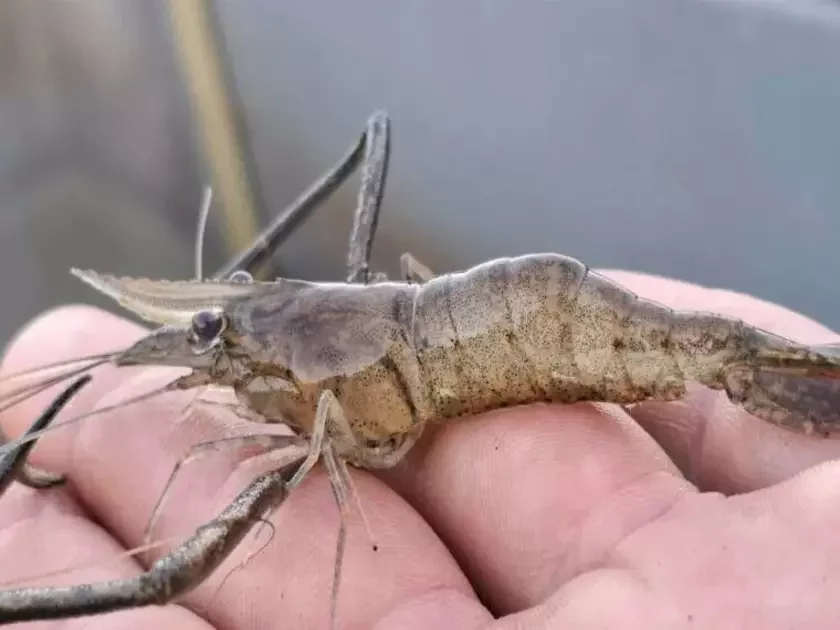
The shrimp originate from Asia. According to one version, they first entered fish farms on the Dnieper, and from there, through the delta, spread to the Danube and its associated lakes. They reproduce particularly quickly in hot weather.
Fishermen note that in some places, the banks are literally overflowing with shrimp. Meanwhile, crayfish have become much fewer: when the water is warm, shrimp dominate, but after it gets colder, they disappear and crayfish reappear.
Scientists are currently studying the impact of the new species on the local ecosystem. There are concerns that shrimp may eat the roe of local fish and compete with other species for food. Therefore, they are already considered a potentially invasive species.
Meanwhile, freshwater shrimp are becoming popular in local restaurants. In the village of Sarichioi, a dish made from them can be purchased for approximately $4.4 per 100 grams. Local authorities hope that the shrimp can be used as a new gastronomic feature of the region, without causing serious harm to other species.
-
15-year-old opened fire near a school in Turkey. At least 11 injured
-
Erdogan called for stripping permanent members of the UN Security Council of their veto power. And to abolish permanent membership altogether
-
Australia may have had many more people before Europeans arrived than previously thought. Then 93% disappeared.


Comments