


Less motley, more greenery and bins. Homiel approves a design code
Homiel has approved a design code — a set of rules defining how building facades, signs, bus stops, courtyards, and other elements of the urban environment should look, writes Times.by.
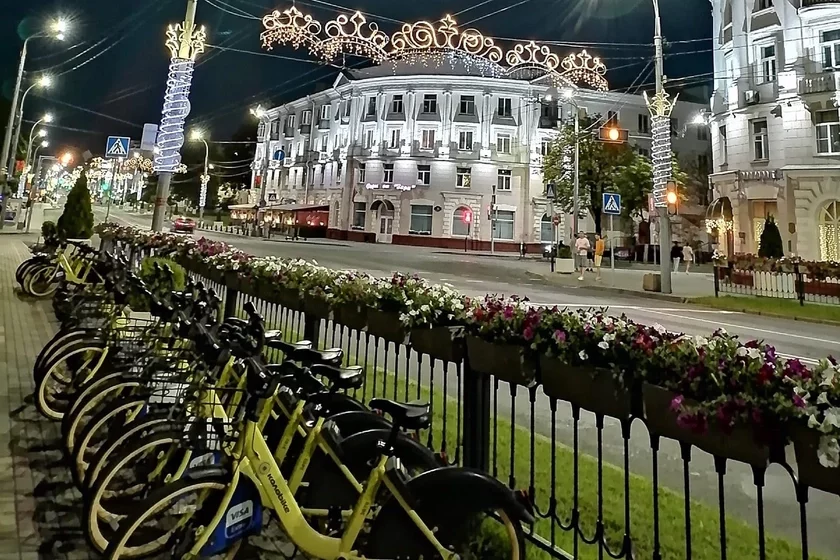
The new requirements apply to the entire city, but special attention is paid to the historical center. They will be mandatory for architects, designers, builders, housing organization managers, and everyone who influences the city's appearance.
Before approving the document, the authorities put its draft up for public discussion, which ran from August 20 to September 15. Residents were invited to submit comments and suggestions, some of which, judging by the new visualizations, were taken into account.
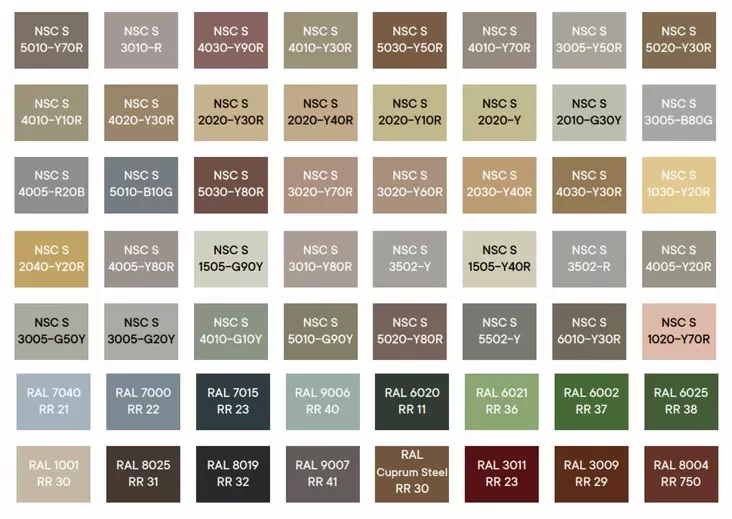
Despite fears that Homiel would become entirely beige, the color palette for facades has been expanded. The ban on aggressive, acidic colors remains, but more permitted shades are now available, and they will be brighter. However, the facade color must comply with the building's passport and harmonize with the street's overall color scheme.
A separate section is dedicated to signs. In the historical center, companies and brands will have to abandon bulky illuminated lightboxes in favor of individual three-dimensional letters and symbols in white with a slight cool tint. Homiel's chief architect, Larysa Kavalyova, explained that such signs are already used on Victory Avenue and Lenin Avenue. They do not create visual noise and allow for better viewing of stucco, columns, cornices, and other architectural details of historical buildings.
The design code also allocates significant space to landscaping. For new plantings, it is proposed to use birches, maples, sumac, lindens, and thujas. In iconic locations, they will continue to plant red maples, which already grow on Uprising Square, as well as the Japanese willow 'Hakuro Nishiki', unusual for the local climate.
For streets and public spaces, junipers, dwarf varieties of pine and spruce, and evergreen Iberis will be used. Perennial plants will form the basis of flowerbeds, but there are no plans to completely abandon familiar petunias.
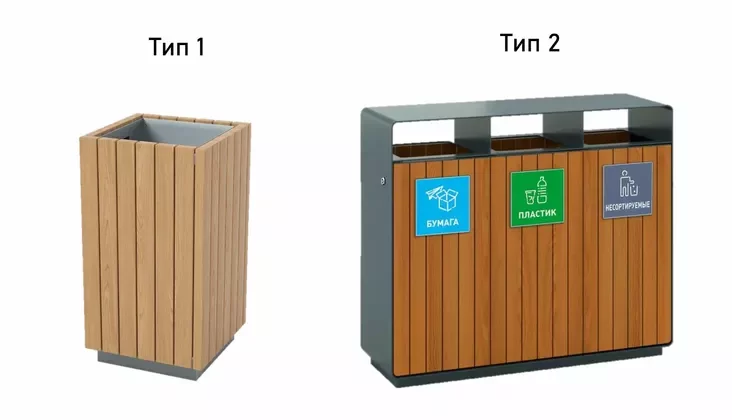
It is likely that there will be more bins in the city. According to the new rules, they will be placed near every commercial object and public transport stop. The appearance of the bins has also been approved: they should not become a prominent accent in the urban space.
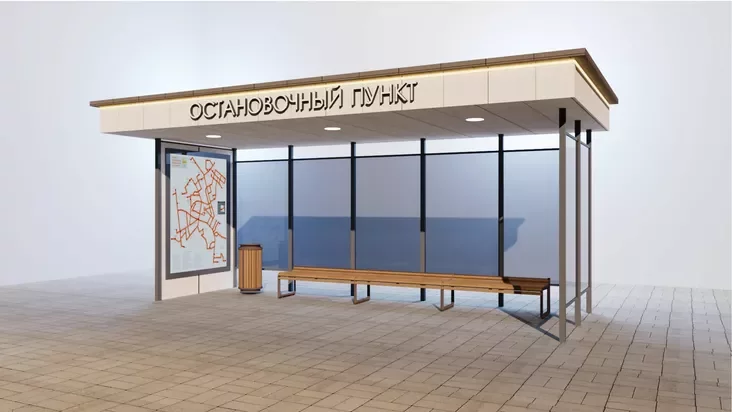
Bus stop shelters will look more restrained, although radical changes in their design are not foreseen. At least 70% of the vertical surfaces of the shelters must be translucent. Inside, a vertical lightbox with schedules and route maps will be mandatory.
In urban decor, preference will be given to stone, cast iron, powder-coated steel, larch or thermo-wood, and architectural concrete. When selecting materials, the capabilities of local enterprises were also taken into account.
The design code does not mean that all facades and signs must change immediately. After the document's approval, a transitional period is envisioned during which entrepreneurs and building owners will be able to bring their objects into compliance with the new requirements.
-
The face of the Brest DFR never received the rank of colonel. And was sent to a boiler house as an ideologist
-
"Orthodox activists" reported Max Korzh to the Russian Prosecutor General's Office because of the lines "And war is not needed, it is not needed"
-
Ryzhankov: Appropriate steps are being taken for Lukashenka and Trump to meet


Comments