


In Belarus, rules for the evacuation of valuables in case of war approved: bricks from Brest Fortress with inscriptions will be saved before paintings by Chagall and Soutine
The Ministry of Culture has defined an algorithm for the evacuation of historical and cultural valuables during armed conflicts and emergency situations. However, due to a legal conflict in legislation, museum, archival, and library collections are still not subject to evacuation, only selected items.
As follows from Resolution No. 83 of the Ministry of Culture, published on the National Legal Internet Portal, the new procedure regulates the evacuation in case of emergency situations or armed conflict exclusively for "historical and cultural values." The same is stipulated in the current Law on Civil Defense.
However, according to the Code on Culture, only those objects officially included in the relevant State List have the status of a historical and cultural value.
Thus, the vast majority of ordinary museum exhibits, items in archival and library collections, which are simply "cultural values", are legally not covered by these documents, and therefore not subject to evacuation in case of emergency situations.
The text of the instruction also does not indicate that immovable architectural monuments that can be disassembled and reassembled, such as wooden iconostases, altars, or entire buildings like those preserved in the Belarusian State Museum of Folk Architecture and Rural Lifestyle, are subject to evacuation.
The responsibility for preparing for the evacuation of official valuables lies with their owners, who must develop evacuation plans and coordinate them with local authorities and the Ministry of Emergency Situations. The instruction introduces a strict order of evacuation for monuments depending on their official category in the State List.
First, valuables of categories "0" (world significance) and "1" (international significance) will be provided with transport and police protection. Objects of categories "2" (national significance), "3" (regional), and items "without category" will be evacuated in the second turn.
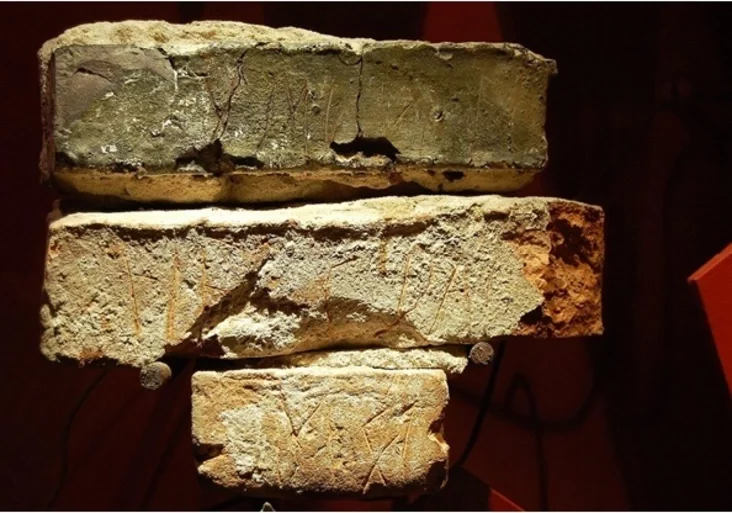
Thus, in the first instance, from the "Brest Hero-Fortress" memorial and from the collections of the Museum of the History of the Great Patriotic War in Minsk, fragments of bricks from the walls of the Brest Fortress with the inscriptions "We die unashamed" and "1941, June 26, there were three of us..." must be evacuated, as well as a collection of homemade partisan weapons and handwritten partisan journals, because all of them have the 1st category of value.
Along with them, a priority status for preservation is given to the original Prague editions of Francysk Skaryna from 1517-1518 from the collections of the National Library, manuscripts of Yanka Kupala's poems, 16th-century European tapestries from Mir Castle, and unique artifacts from the excavations of ancient Berestye.
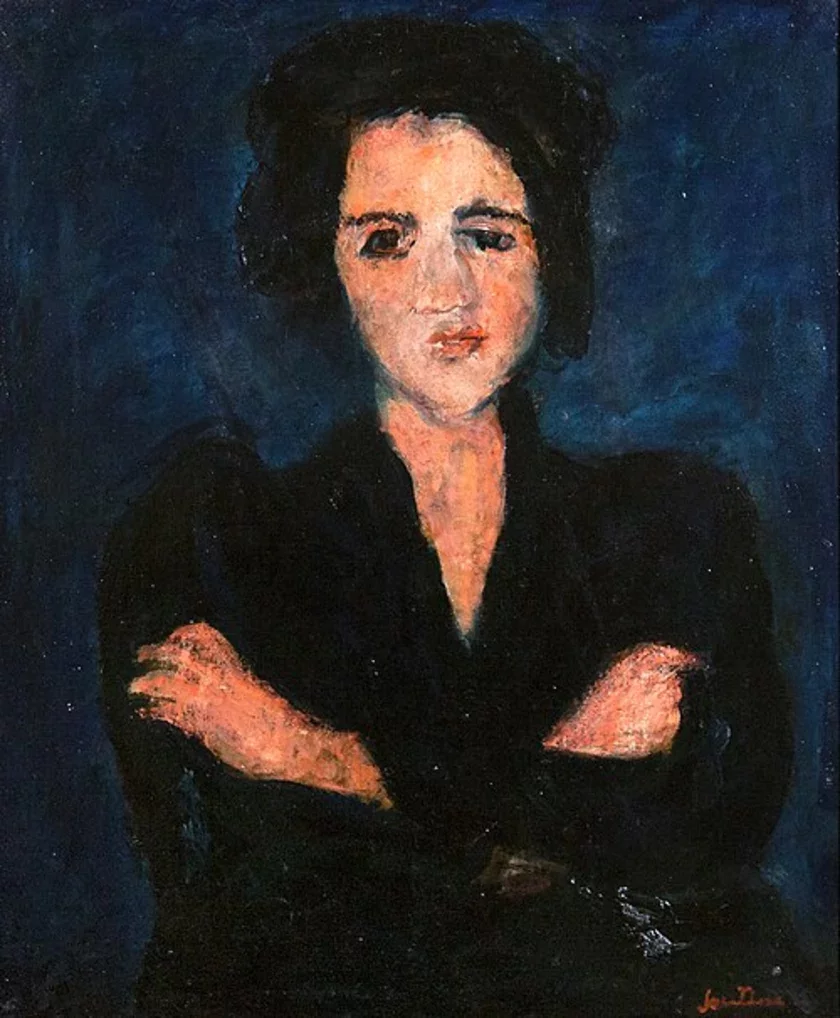
At the same time, the famous collection of works by artists of the Paris School, which was formed on the initiative of the former head of "Belgazprombank" Viktar Babaryka, will be evacuated in the second turn, as it only has the 2nd category of value. This collection includes original canvases by Marc Chagall, Chaim Soutine, and Pinchus Krémègne.
-
The electronic "Belarusian Encyclopedia," created as a space for "reliable knowledge about Belarus," was quietly liquidated along with its editorial team. A heap of articles was handed over to Gigin
-
A branch of the National Art Museum opened in Minsk
-
Bestselling author John Green's novel to be released in Belarusian on the day of the world premiere


Comments