


Remains of a 16th-century defensive wall found at a settlement near Karelichy
During the investigation of the Berazavets settlement near the urban-type settlement of Karelichy, archaeologists found the remains of a wooden defensive wall from the 16th century. The discovery confirmed scientists' earlier hypothesis that a wooden castle belonging to Pan Kmita Stratovich Berazavetsky existed on this site in the early 16th century, writes BelTA.
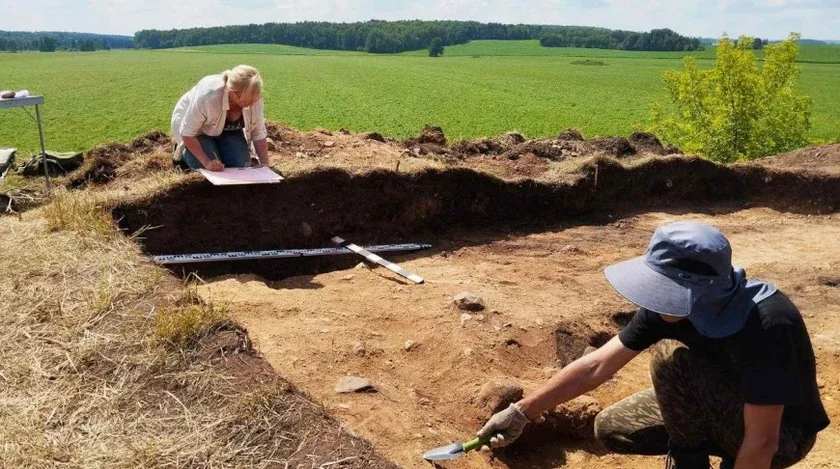
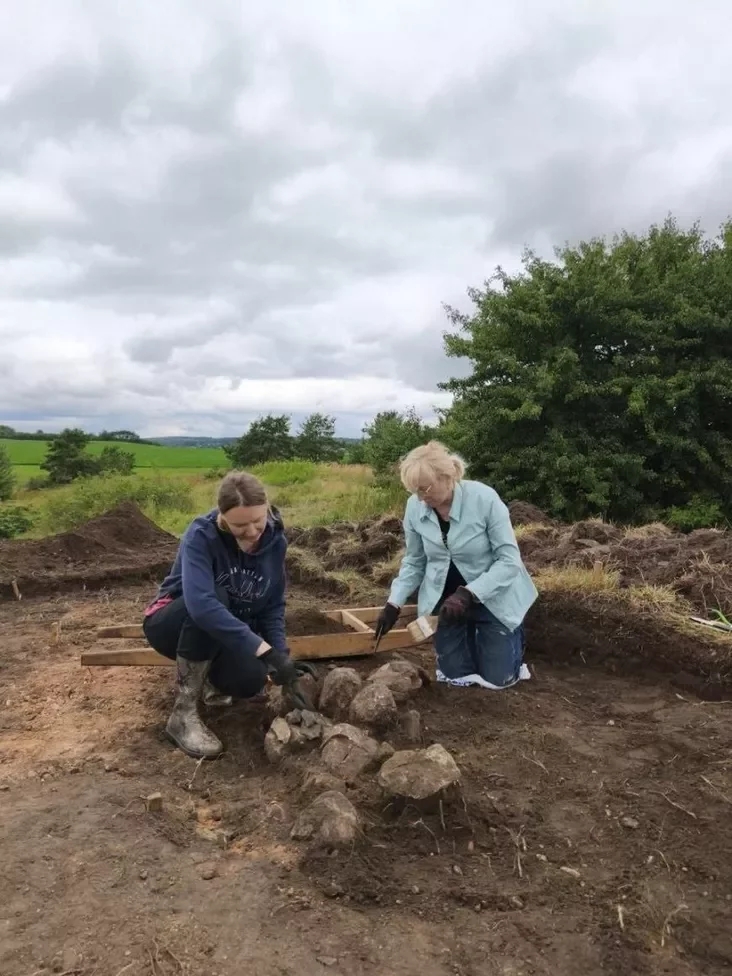
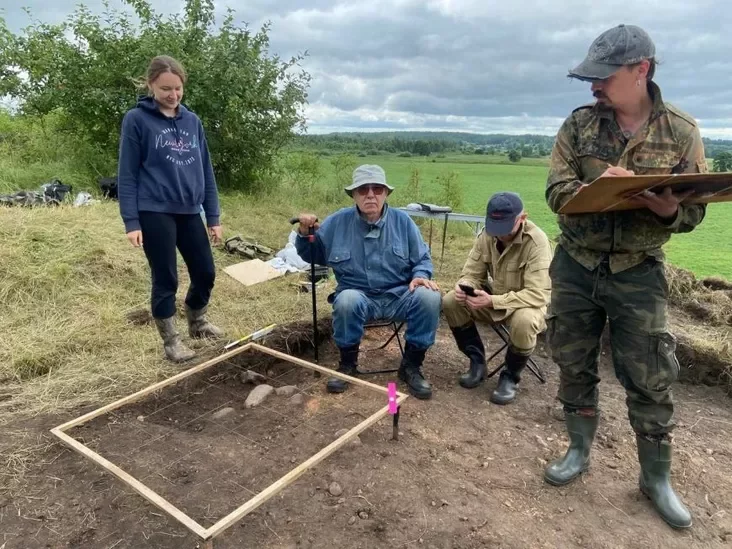
Excavations are being carried out by specialists from the Institute of History of the National Academy of Sciences of Belarus. An entrance gate and a bridge to the castle had already been found here, and now researchers have unearthed part of the structures of the defensive wall itself.
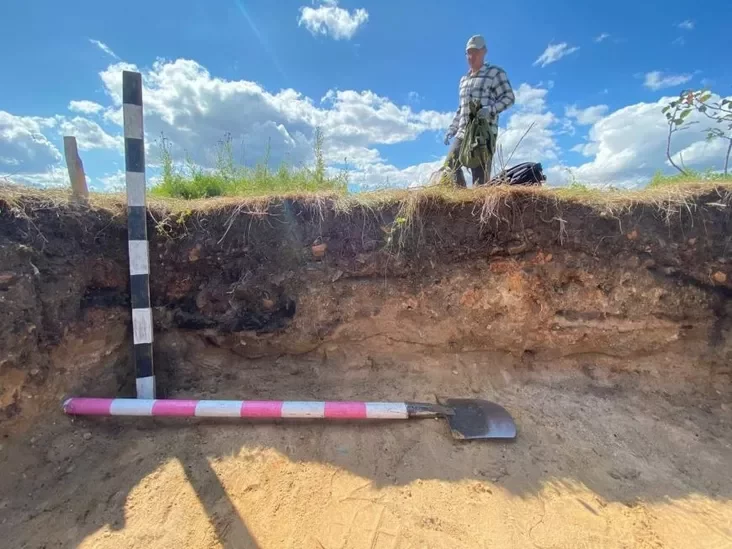
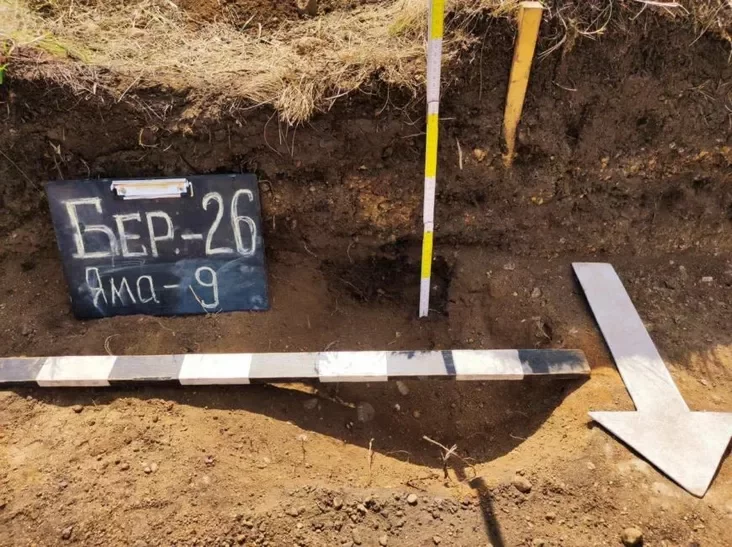
Under the defensive earthen rampart, archaeologists discovered the remains of a wooden wall that stood on the rampart and protected a private feudal estate. According to archaeologist Natalia Pachyobut, the find confirmed that the castle was built specifically in the first decades of the 16th century.
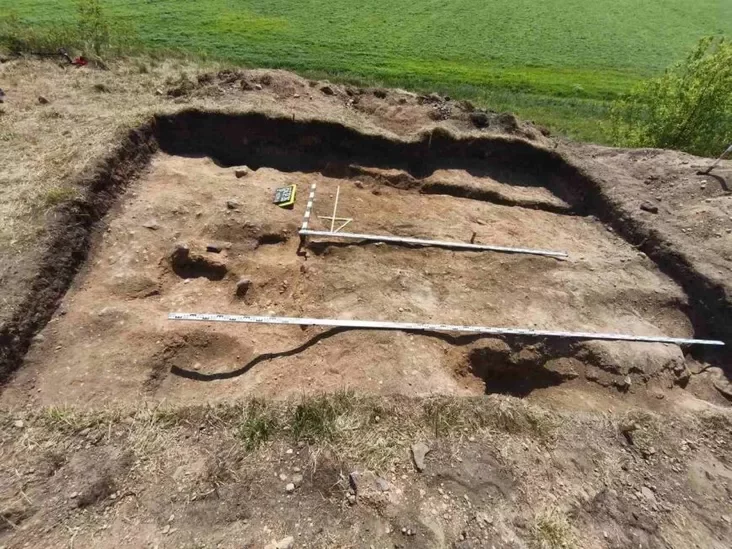
Scientists studied historical descriptions of the castle and compared them with archaeological data. It turned out that the wall was made of vertically driven poles, between which wooden beams were inserted. Part of the fortification had the appearance of a palisade made of logs about 19 and 24 centimeters in diameter.
Two rows of poles connected by wooden elements were found in the excavation. The total thickness of the wall inside the earthen rampart was about 1.7 meters. The poles had a diameter of about half a meter, and the logs were about 24 centimeters. On the outside, the wall was additionally reinforced with another wooden pole.
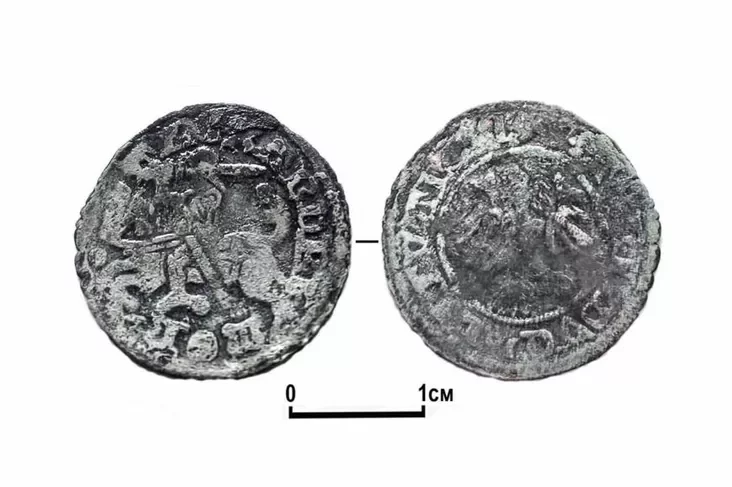
A particularly important find was a coin — a half-grosz of Sigismund I the Old. It is dated to 1508-1519 and helps determine the time of construction of the defensive wall.
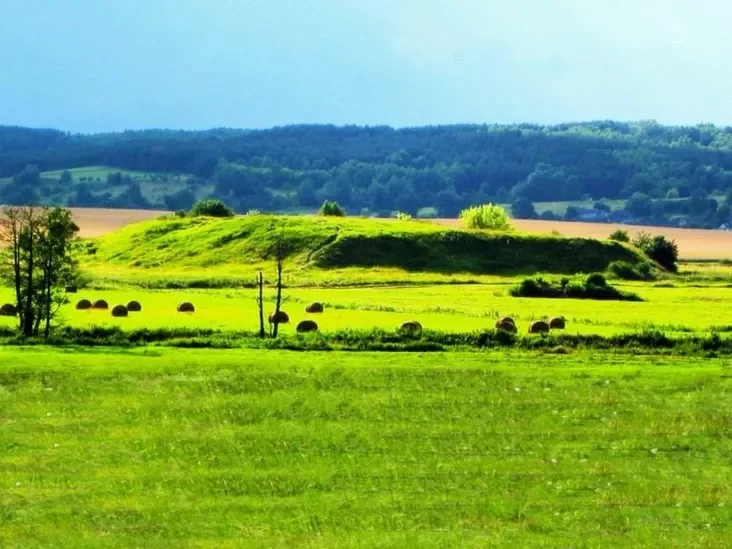
The Berazavets settlement is located on a high natural hill in the valley of the Serwach river, which is a tributary of the Neman. In 1636, the Berazavets estate was acquired by Sigismund Karol Radziwill — the fourth Nesvizh ordynat. Later, the wooden castle fell into disrepair, and by the 1680s, it had already lost its significance.
Archaeologists note that the complex provides a lot of materials about the lives of people of that time. Evidence of agriculture, hunting, and daily life is found here. The collection of domestic animal bones and hunting trophies numbers several thousand items. Next to the castle was a farmstead with outbuildings, stables, barns, granaries, a kitchen, and housing for servants.
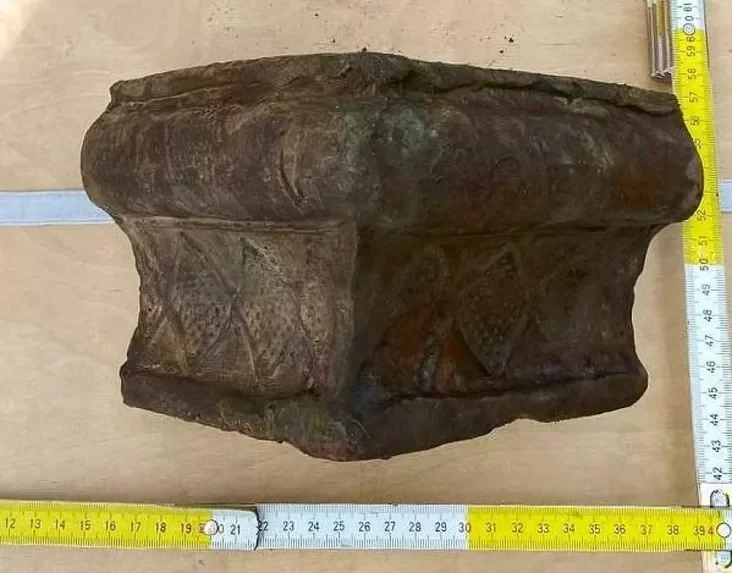
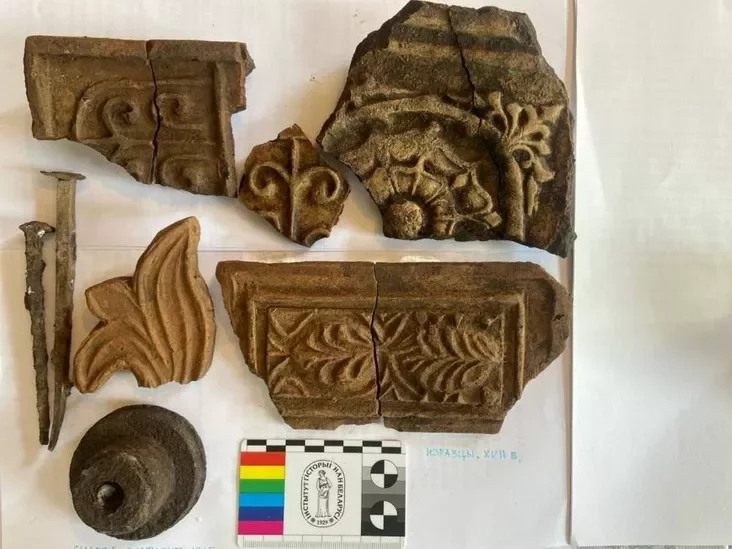
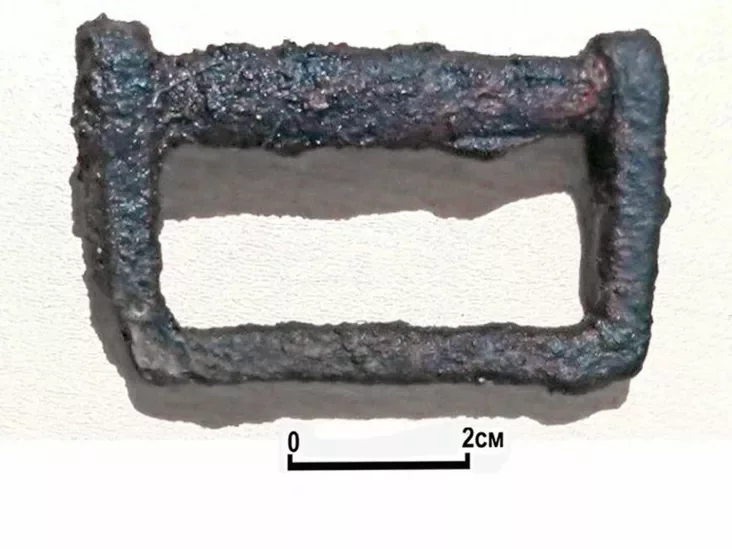
Among the new finds are a large clay sinker for a fishing net, a boot heel iron, knife handles, fragments of 16th-17th century ceramic dishes, tiles with "palm branch" images, 17th-century musket balls, and part of a tiled stove. Fragments of 120 mm Russian artillery shells, which were used to shell the settlement during the First World War, were also found.
Already in 2014, archaeologists found the site of a former farmstead near the settlement — an unfortified settlement whose inhabitants might have participated in the construction of the castle. Specialists emphasize that this area has great historical value, so it should not be deeply plowed or used in a way that damages the cultural layer.
In addition to the investigations of Berazavets, archaeologists are also monitoring earthworks in Karelichy itself. During these works, artifacts from the 17th-19th centuries were found. For the first time, more precise information about the city's cultural layer was obtained, which reaches one meter in depth near the music school building. A coin from the reign of Russian Empress Catherine II was also found there.
In the future, some of the discovered items will complement the exhibition of the Karelichy Local Lore Museum. It is planned to display photographs of the excavations, a reconstruction of the castle, remains of 16th-17th century stoves, restored tiles, and everyday objects, household items, and weapons that tell about the lives of people several centuries ago.
Now reading


"As long as we remember our own, no one will steal them from us." Hurnievič explained why Parfyonov's opinion on Chagall means "to the 'lilac moon'" for us


Comments