


And does anything useful remain in ultra-pasteurized milk?
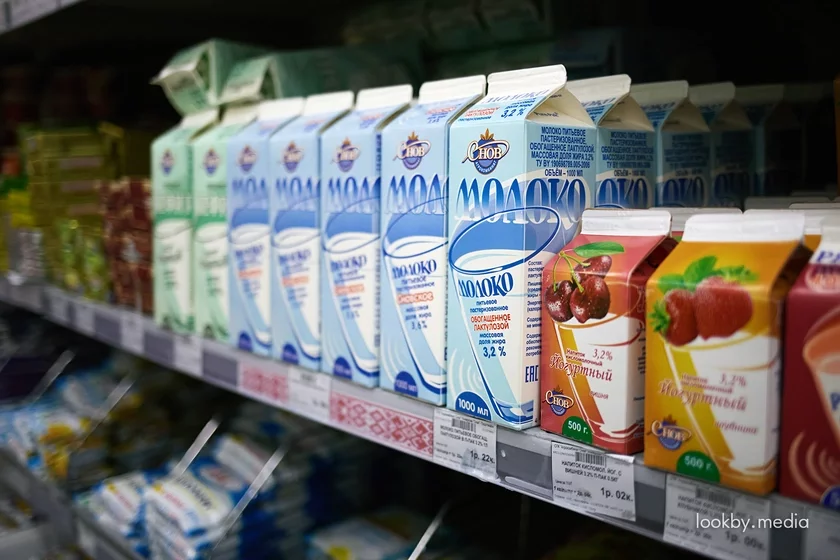
Why doesn't baby milk in sachets sour, but turns bitter? Alena Stepanava, Deputy Director for Scientific Work at the Institute of Meat and Dairy Industry of the National Academy of Sciences, explained in a comment to "Minsk-News".
She says that it is forbidden to use preservatives in baby food. To ensure the stability of such products, they are made only from raw materials of the highest or extra grade. And the milk is packaged in aseptic conditions, without contact with the external environment. However, after opening the package, foreign microflora enters it from the air.
Most often these are bacteria that live in the kitchen and refrigerators. They release special enzymes — proteases and lipases. Classic souring of milk occurs under the action of lactic acid bacteria, which convert milk sugar (lactose) into lactic acid. But sterile baby milk does not contain them. Therefore, a process of protein breakdown (hydrolysis) and fat cleavage begins in it. As a result, bitter peptides and free fatty acids are formed. It is these that give the spoiled product a distinct bitter taste.
The institute also answered whether there is any benefit from ultra-pasteurized milk, which can be stored for a whole year.
"Many buyers are alarmed when they see milk on supermarket shelves with a shelf life of 6, 9 or even 12 months, which is not in a refrigerated display case, but on ordinary shelves. Some think it's all chemicals and preservatives. However, the use of any artificial additives in drinking milk is strictly prohibited by technical regulations. The long shelf life is ensured exclusively by production technologies.
During ultra-pasteurization, raw milk is heated in a flow for 2-4 seconds to a temperature of 133-140°C, after which it is instantly cooled in a closed system. This short temperature shock is enough to completely destroy microorganisms. Then the milk is poured into aseptic multilayer packaging without air access. It reliably protects the product from light and oxygen, preventing spoilage processes."
At the same time, proteins, milk fat, macro- and microelements, including calcium and phosphorus, are not destroyed and remain in an easily digestible form. Only unstable vitamins C, B12, and folic acid suffer minor losses.


Comments