


Lithuania will check all transit grain coming from Belarus and Russia
Lithuania will check the origin of all transit grain arriving from Russia and Belarus. This decision was made by Lithuanian Minister of Agriculture Kęstutis Mažeika to prevent the use of Lithuanian transport infrastructure for carrying grain that may have been stolen from the occupied territories of Ukraine.
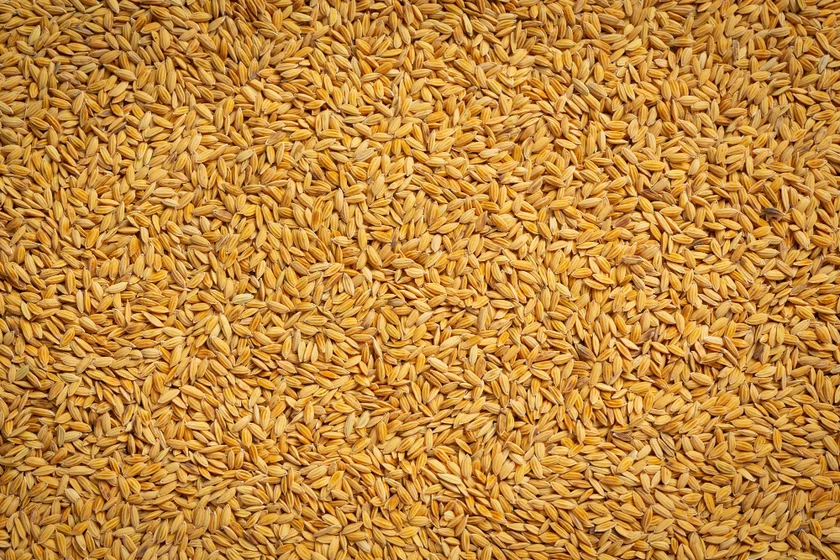
Mažeika appealed to the State Food and Veterinary Service with a directive to immediately begin checking the origin of all grain consignments from Russia and Belarus. The check must apply to both fodder and food grain, regardless of its destination.
According to the minister, a unified control system is necessary for Lithuania to be able to timely detect suspicious cargo and prevent the transit of Ukrainian grain that may have been illegally exported from the occupied territories.
Since May last year, Lithuania, together with Ukraine and the United Kingdom, has been using a special grain verification scheme. Under this scheme, fodder grain stored in customs warehouses undergoes mandatory laboratory tests.
However, Lithuanian authorities have noticed that the routes and methods of clearing some consignments are changing. Some grain may be transported under a simplified direct transit procedure or declared as food grain, which allows avoiding checks.
Therefore, the minister called for increased cooperation between the State Food and Veterinary Service and the Customs Department. Information about transit cargo should reach the services in a timely manner so that they can identify potentially risky consignments and check them before they leave the territory of Lithuania.
Earlier, the Lithuanian service already took samples of one of the grain consignments in the port. There are suspicions that it originates not from Russia, as stated in the documents, but from Ukraine, and may have been illegally exported from the occupied territory, after which it was delivered via Kaliningrad.
Grain samples were taken from a customs warehouse in Klaipėda and sent for analysis to a laboratory in France. Determining the country of origin can take two to three weeks.
Earlier, Kęstutis Mažeika stated that Russia might try to export Ukrainian grain through the ports of Latvia and Lithuania. Therefore, Lithuanian authorities now want to strengthen control over all such transit shipments.


Comments
Ды яшчэ скрадзенага ў ўкраінцаў?
Отэта паварот!