


Ratko Mladić, Convicted of Genocide, Buried with Pomp in Serbia
In Serbia, Ratko Mladić — the former commander of the Army of Republika Srpska, whom an international court in The Hague sentenced to life imprisonment for genocide, war crimes, and crimes against humanity during the war in Bosnia and Herzegovina — was buried with military honors, writes the BBC.
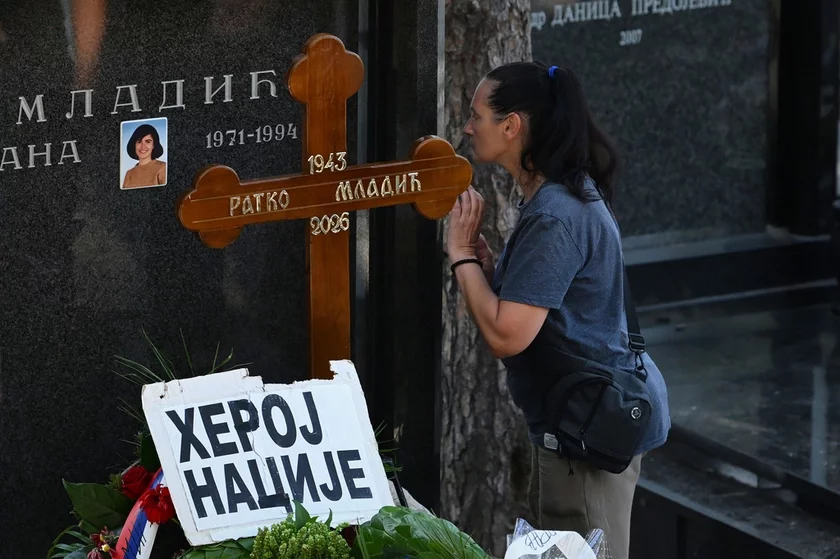
Thousands of Mladić's supporters marched to Topčider cemetery in Belgrade after a memorial service in the church. Many arrived organized from Republika Srpska (part of Bosnia and Herzegovina) and various cities in Serbia. For them, Mladić was not a war criminal, but a "hero who defended the Serbian people."
Mladić's body was transported from The Hague, where the 84-year-old general died in a prison hospital. Upon arrival, the coffin was received by Serbian servicemen and draped with the flags of Serbia and Republika Srpska. Along the way to the medical academy and later to the church, people met the motorcade with posters in support of Mladić, and some police officers and soldiers gave him military salutes.
High-ranking Serbian officials, representatives of Republika Srpska, the son of the Serbian president, and the Russian ambassador were present at the farewell. The funeral service was led by Patriarch Porfirije of the Serbian Orthodox Church; Mladić was referred to as an Orthodox Christian and a Serbian soldier.
Ratko Mladić, known by the nickname "the Butcher of Bosnia," was convicted of genocide in Srebrenica, war crimes, and crimes against humanity. His troops were involved in mass killings and ethnic cleansing, which claimed tens of thousands of lives.
The burial provoked sharp criticism from victims' families. The "Mothers of Srebrenica" organization stated that honoring a person convicted of genocide is a disgrace. Some American politicians also called on Serbia and Republika Srpska not to allow the official glorification of Mladić.
According to human rights defenders, such ceremonies do not contribute to reconciliation in the Balkans, as instead of remembering the victims, the focus is again on a war criminal. They believe this also indicates the persistence in Serbia of a policy of denial and downplaying the significance of the crimes for which Mladić was convicted.
Now reading


Remember the Minsk resident who saved the flag from under the OMON officers' feet in 2017 — at the cost of his freedom? Now he, a former political prisoner, needs help

Remember the Minsk resident who saved the flag from under the OMON officers' feet in 2017 — at the cost of his freedom? Now he, a former political prisoner, needs help


"They see Belarus as part of Russia." What the rise of "Alternative for Germany" means, how far it can go, and how Belarusians should position themselves


Comments