


Aviation faces increasingly hotter and windier times — little pleasant for passengers
Delays or cancellations of flights in the future, experts believe, will happen more often.
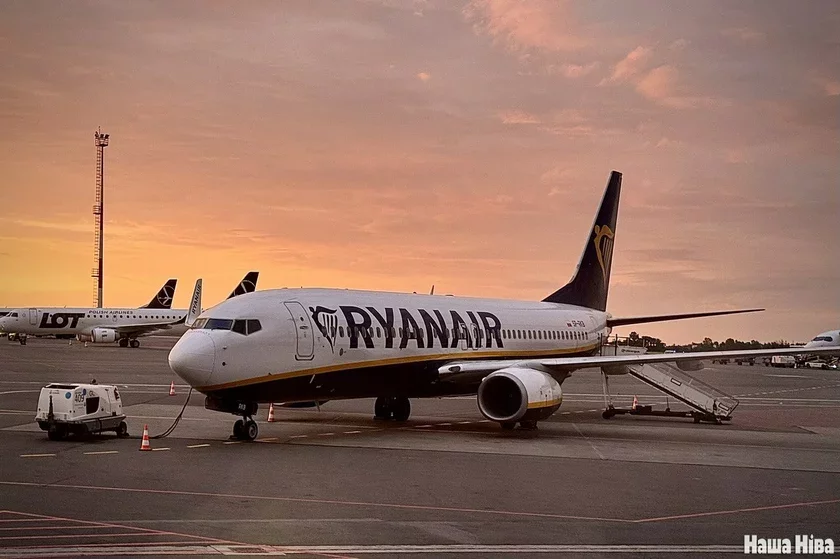
At the end of June, due to thunderstorms at London airports 'Heathrow' and 'Gatwick', about 900 flights were delayed (some for 11 hours), and dozens were cancelled. Industry experts believe that similar incidents will occur more frequently in the future, writes the BBC.
The reasons lie in climate change. Warming enhances convective activity (moist warm air rises faster, the atmosphere holds more moisture) — thunderstorms may become more frequent and stronger, especially at high latitudes.
The UK and Northern Europe are particularly vulnerable due to high air traffic density.
Bad weather can narrow available airspace, forcing restrictions on movement and changes to flight routes. If planes cannot land at one airport — for example, due to strong winds — they have to be diverted to others. This leads to new problems: if too many unplanned flights arrive at an already busy airport, its infrastructure may not be able to cope with the service.
Unplanned route changes often lead to increased fuel consumption. Fuel costs constitute a significant portion of airline expenses, so an increase in fuel costs will inevitably lead to higher ticket prices for passengers.
Increased thunderstorm activity will likely complicate air traffic control in high-intensity flight areas and may lead to an increase in flight delays and cancellations.
To cope with the situation, new systems for calculating the distance between aircraft during landing (already implemented at 'Heathrow' and 'Gatwick') help increase capacity and reduce delays.
Airports can also be paralyzed by heavy downpours (for example, when more than 1200 flights were cancelled in Dubai in 2024).
Clear-air turbulence is another phenomenon whose frequency is increasing with climate warming. This phenomenon involves strong air currents at high altitudes that occur in the absence of clouds or other visual cues that could help a pilot avoid a dangerous zone. Since 1979, the number of such incidents over the North Atlantic has increased by 55%, and forecasts promise further growth.
Due to rising sea levels, there is also a long-term threat to airports built near the coast. According to estimates, 269 airports worldwide are already at risk of flooding, and protection against it could cost up to 57 billion dollars.


In the Czech Republic, Poles Beat a Pole, Mistaking Him for a Ukrainian Due to a Hat in the Colors of Upper Silesia. The Guy Was on a Charity Bike Ride for His Pregnant Partner Who Had Cancer


Comments