


A family dynasty from Samokhvalovichi near Minsk grows 30 thousand plants
A fascinating story of creating a large garden and nursery was told to the pristalica.by publication in the agro-town of Samokhvalovichi, Minsk district. Natalia lives here – a representative of a dynasty of gardeners in the third generation. Together with her family, she grows fruit-and-berry and ornamental plants, and her advice has helped transform gardens on hundreds of plots. Natalia shared the intricacies: how to properly arrange trees, how to defeat ants, and why it's better not to rush with whitewashing trunks.
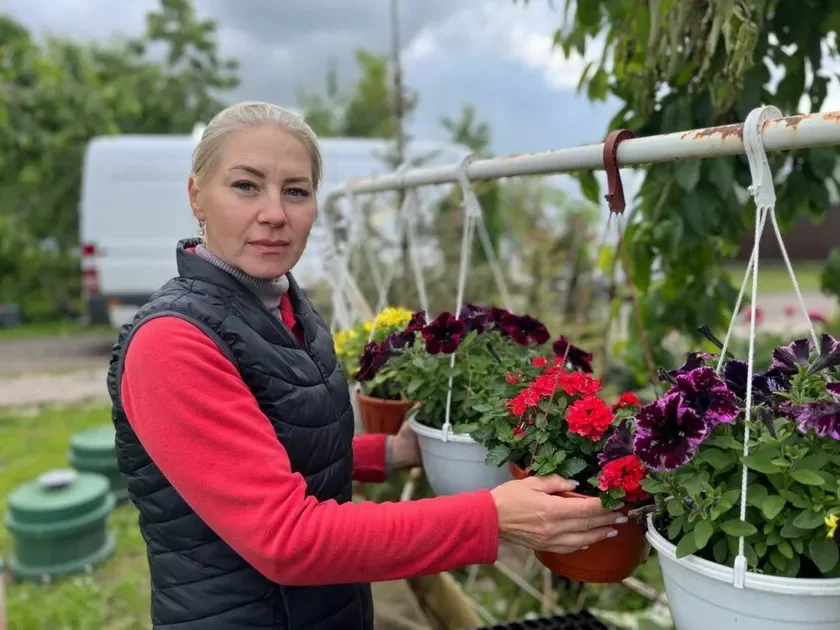
Today, Natalia's possessions are impressive. On 15 ares in the agro-town, she and her family grow potted and ornamental plants: hydrangeas, roses, azaleas, honeysuckle, jasmine, chokeberry, and ninebark.
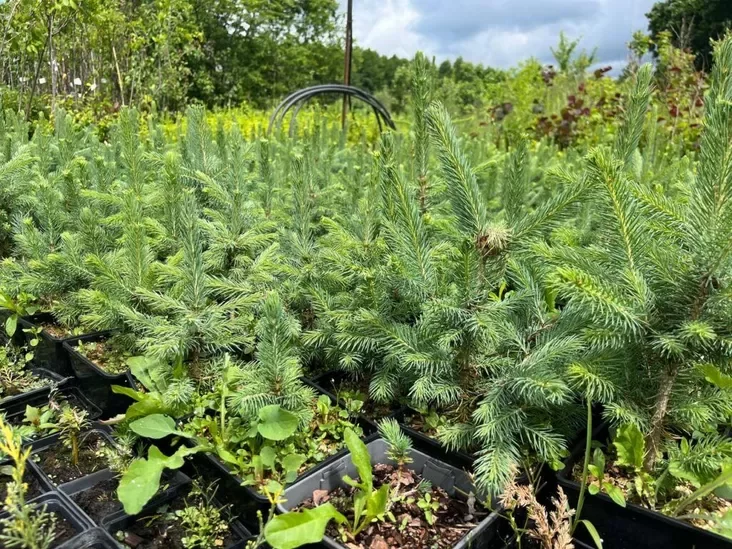
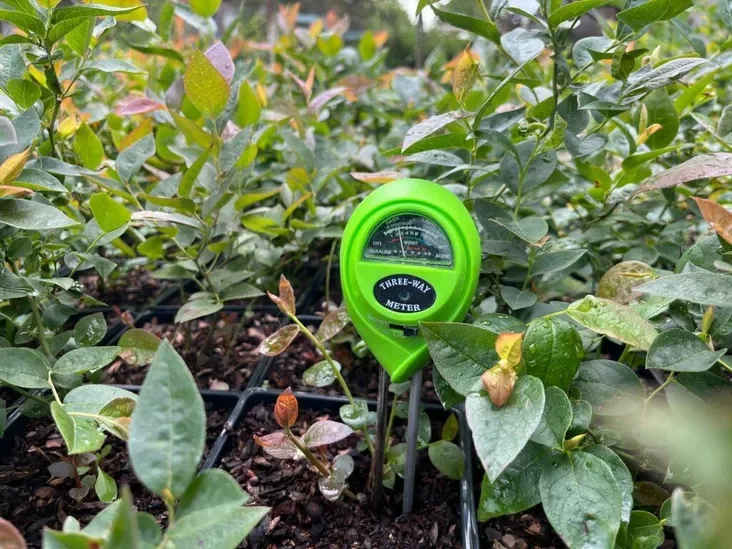
Cuttings are being taken in the greenhouses — future saplings are prepared here. And on a separate field of 10 hectares, fruit trees and bushes spread out: apple trees, pear trees, about 500 blueberry bushes of five varieties, raspberries, and currants. They started with 10 ares and approximately a thousand fruit saplings, and now the farm has almost 30 thousand plants.
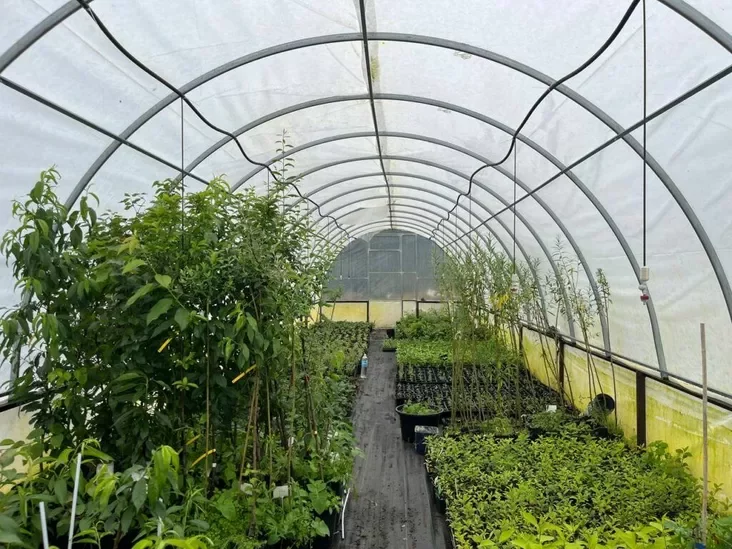
"We work all together as a family from morning till late evening. Weekends are a rarity. Even in the rain, we go to the greenhouses: there are cuttings, which we then transplant into cassettes – blueberries, hydrangeas. Now is exactly the cutting period," Natalia says.
The work is seasonal: the main focus is on autumn and spring. In summer, plants gain strength; in winter, they tidy up and grow fir trees.
Where to start with garden arrangement: soil and planning
People turn to Natalia and her son Ivan not only for saplings but also for advice: how to choose plants correctly, arrange them on the plot, and care for them so they bear fruit. In her work, Natalia adheres to a clear plan. The first step is to determine the type of soil on the plot.
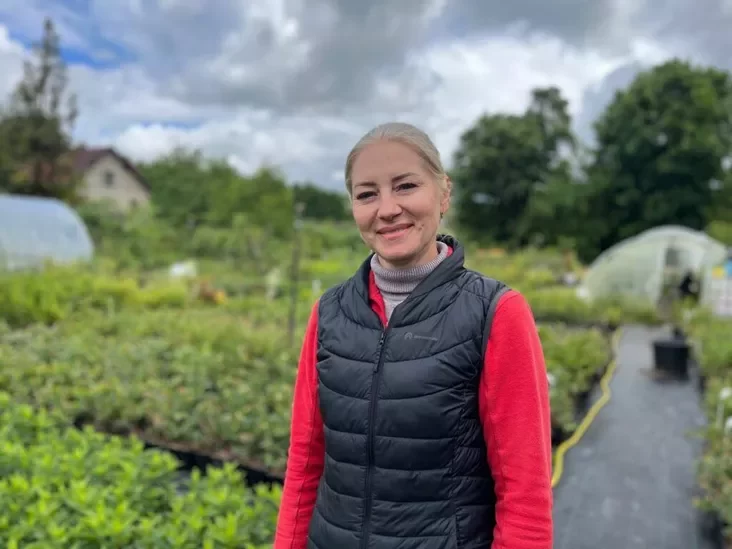
"Good soil is important for plants for at least the first three to four years so that the root system can strengthen. Clay or loam is good, while sand and peat are bad," Natalia explains.
If the soil is poor, the expert advises placing a clay cushion at the bottom of the planting pit. The clay will gradually mix with the soil and nourish the plant for several years while it grows. By the way, plums and sweet cherries grow wonderfully in clay, but hydrangeas and blueberries absolutely need acidic peat.
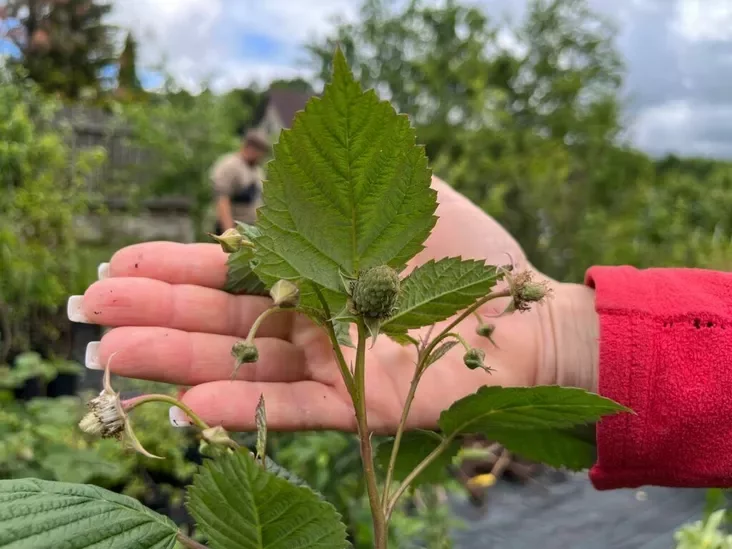
The next stage is to plan: plant along the perimeter or allocate a separate area for the garden, decide which crops and in what quantity will grow. And here it is very important to consult with a knowledgeable person.
"Often people want to plant one sweet cherry tree. But some trees are self-sterile – they require a pollinator neighbor. You also need to consider lighting and cardinal directions. For example, a cherry tree is a compact plant, while a sweet cherry is powerful. Do not plant a sweet cherry from the south in front of a cherry, because it will grow large and shade its neighbor," Natalia warns.
Another rule is to plant trees of the same species nearby: apple to apple, cherry to cherry. This is related to pollination. Pollen is carried not only by insects but also by wind, and if it gets from an apple tree to a cherry tree, there may be no harvest. Moreover, each plant has its own flowering period.
Whitewash – not for beauty
Garden treatment is no less important. The main thing is to observe the dosage and consider the age of the plants. Beginners often apply a dose calculated for an adult tree to young saplings, and the plant literally "burns out."
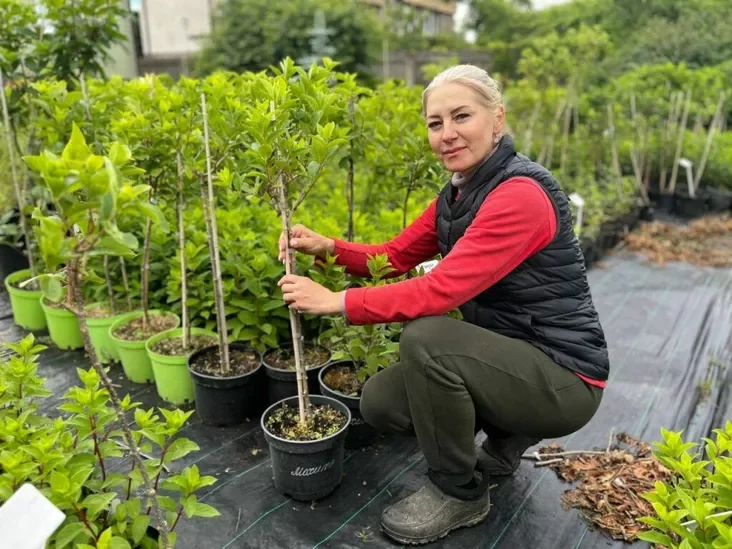
"Under no circumstances should fresh manure be placed in the planting pit – the roots will burn. And a separate painful topic is the whitewashing of young trees. It is not applied to trees under three years old: the composition contains lime, and the bark of a sapling is delicate, it will wrinkle. Ant traps should also not be used during this period (and preferably longer), because the tree can get burned," Natalia shares her experience.
For combating ants, the family of gardeners recommends "Murashkoyed" and Bros preparations; against aphids – "BioTlin" and "Aktara". And according to Natalia, tree trunks should be whitewashed not in spring, but before winter – to protect against sunburn. And even more effectively, instead of whitewashing, wrap the trunks with white spunbond.
Now reading


In Vialikaja Miadzviadcy, the grave of Ignacy Domeyko's brother was found. See how the nearby church, which the world-renowned scientist visited, has been defaced


Comments