


European low-cost carrier Wizz Air is preparing to change perceptions of budget travel, announcing the implementation of Starlink satellite internet on its flights. Despite competitor skepticism and significant costs, the airline plans to equip more than 200 aircraft with the new technology, promising passengers high-quality connectivity without additional charges.
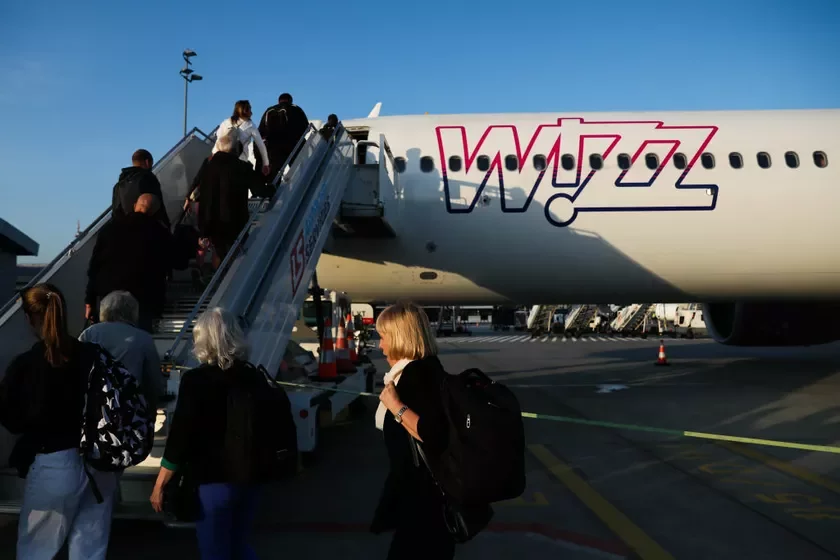
Photo: Jakub Porzycki/NurPhoto via Getty Images
Starlink satellite internet, developed by Elon Musk's SpaceX, is increasingly appearing on board passenger aircraft. The technology allows for high-speed internet usage throughout the entire flight — from the moment of boarding the aircraft until arrival at the destination. Unlike many traditional communication systems that only start working after reaching cruising altitude, Starlink provides network access even while the aircraft is moving on the ground.
According to airlines already using the system, the connection speed is sufficient for video streaming, video calls, and other common internet services. Passengers can use the network almost as if they were at home or in the office.
Until now, traditional airlines have been the primary users of Starlink. However, representatives of the budget segment have now decided to join them.
According to Simple Flying, Hungarian low-cost carrier Wizz Air has announced that it will begin implementing the system on its flights, and passengers will be able to use the service from 2027. The company stated that new-generation Airbus A320neo and A321neo aircraft will receive Starlink equipment. The full deployment timeline for the system has not yet been named.
For Wizz Air, this could become one of the largest projects of its kind in Europe. To date, the company's fleet numbers 265 Airbus A320 family aircraft, with the majority being new-generation NEO models. If Starlink appears on all such aircraft, the company will have to equip more than 200 operational aircraft with the system.
Wizz Air Chief Commercial Officer Ian Malin stated that budget air travel should not mean foregoing modern services. According to him, passengers should not have to choose between a low ticket price and the ability to stay connected while traveling.
However, the company's decision seems quite unusual compared to its competitors. Other major European low-cost carriers, including Ryanair and easyJet, are not yet planning to use Starlink. After negotiations with SpaceX, easyJet concluded that the economic model of the service does not align with the concept of budget transportation. Ryanair management has also repeatedly questioned the feasibility of such expenses.

Illustrative photo. Photo: Wikimedia Commons
The main problem is related to the project cost. Airlines must pay for both the installation of equipment and the subsequent use of the system. At the same time, Starlink does not charge passengers separately for network access. This means that carriers cannot directly recover costs through selling onboard internet.
For Wizz Air, this is particularly relevant given recent cost-cutting measures. The company has already revised plans for purchasing long-haul Airbus A321XLRs and announced the closure of its Abu Dhabi venture.
At the same time, Wizz Air expects the system to bring indirect benefits. The company hopes for increased sales of additional services through digital platforms, as well as the use of internet by crews for operational information and flight optimization.
Now reading


"Thank you, Lena! Continue your observation." The officer who wrote to Kharysavaya frequented political emigration chats, and even offered to exchange nudes with some girls.


Comments