


"Everyone was shocked." Belarusian IT specialist explains why she chose Venezuela for life
Marketer Katsiaryna (name changed) lived and worked for several months on Margarita – Venezuela's main resort and its largest island in the Caribbean Sea, writes Devby.io.
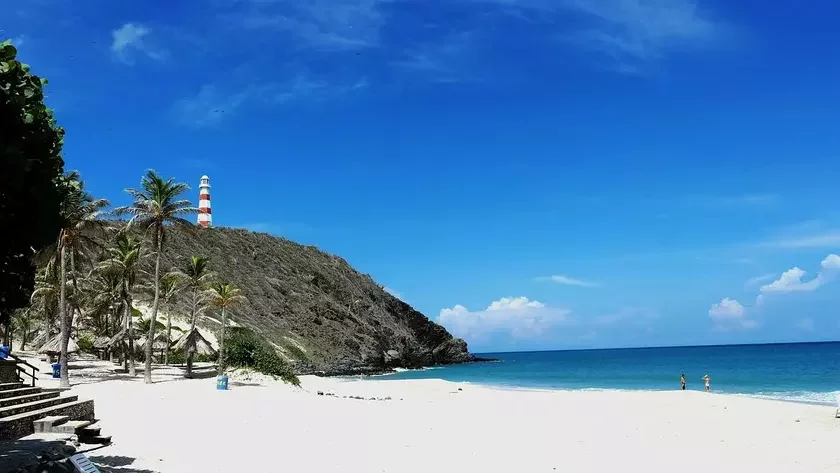
"Venezuela is a dream, but not mine, it's my friend's"
Venezuela is a dream, but not mine, it's my friend's. She had been here before, fell in love with the country at first sight, and aspired to come back.
I simply came for a vacation to visit her, but just in case, I made preparations to extend my visa and look for work (from previous experience, I thought I'd find it quickly). And as a result, I stayed for several months.
I lived on Margarita Island and can only talk about it – everything might be different on the mainland.
Before Venezuela, I worked for a European company. When I announced that I planned to live in Venezuela for some time, they told me it was inconvenient for them (I wasn't planning to work according to European time, as I'm a night owl, waking up before 9 AM is torture for me). By the way, my acquaintance works from Venezuela for Belarus from 2 AM to 10 AM.
Nevertheless, I continued working for that European company from Venezuela for some time: they asked me to help with certain tasks on a freelance basis. In this online format, we worked one to two hours a day. It was more difficult to solve urgent issues, but for me, it wasn't critical.
At work, of course, everyone was shocked by my choice of country. But then they saw the photos, and many liked it.
The nature on Margarita is very beautiful: the Caribbean Sea, green mountains, pink salt lakes, beaches like those from tourist websites – all of this is here.
Red Tape
I got acquainted with the local red tape. Observing formalities almost guarantees a result; no one will dig deeper than the submitted paperwork. On the other hand, Spanish is very much needed, at least A2 level: even in the immigration service, they don't speak English.
However, people here are very friendly, will show genuine interest in you, and offer help.
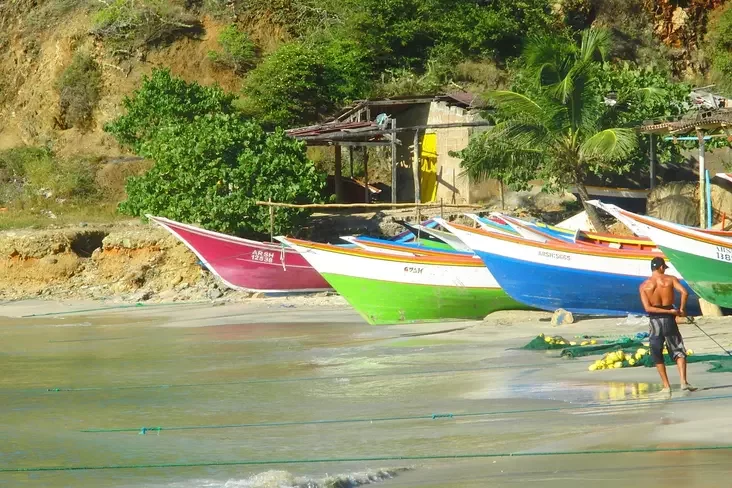
Power is cut off daily
The instability and hyperinflation that Venezuela is associated with in the news – that's 100% true. Power is cut off daily. For those lucky with their district – electricity might disappear for just 15 minutes, while others sit for several hours without it, waiting. Those locals who need it – everyone has UPS (uninterruptible power supplies). And in job vacancies, there's even a requirement to provide a screenshot of the main internet connection speed and backup connection (I tether from my mobile, but my reception isn't great).
Home internet on Margarita is fast, mobile isn't very (but I had one of the cheapest mobile tariffs), 65 and 15 Mbps respectively. If you have a new laptop, an hour-long blackout isn't scary; personally, it didn't bother me. But there can be unpleasant moments if the electricity goes out during a video call. Internet prices are more expensive than in Belarus.
Water supply is specific
The water supply is specific: every apartment and house has tanks that are filled with water. In apartments, water is supplied twice a week, but not always on schedule; in houses, it might be once a month. Recently, the water situation has become very unstable, and people have protested several times already.
It took me the longest to get used to this water supply and its cycles. For me, it doesn't seem particularly hygienic – it's like washing dishes in a river on a hike. I had vaccinations for two types of hepatitis and tetanus, so I tried not to think about it too much – people live here somehow, after all.
Prices are like Belarusian ones, but sometimes "like Belarusian, only in dollars"
Prices in supermarkets for some products are roughly like Belarusian ones, while for others – like Belarusian, but in dollars (meaning what costs three rubles for us, here will cost $3). On average, it turns out to be a bit more expensive. City bus tickets, while I lived on Margarita, tripled in price.
Clothes cost more or less like in Belarus, but household appliances and furniture are terribly expensive. A laptop that can be bought for $600 in the USA will be twice as expensive here.
People with European appearance are not harmed (on the island)
From a security standpoint on the island, it seems calmer than on the mainland. As I was told, people with a European appearance will not be harmed here. From my experience, I can say that people are friendly, greet you, and say something. For such occasions, I had a ready phrase: perdón, no hablo español ("excuse me, I don't speak Spanish"). My Spanish was enough to understand greetings and answer where I was from. Usually, Venezuelans first thought I was German, then took me for Russian. But they know about Belarus and Belarusians; most understand the difference.
Rent – you can live lavishly for $500
Renting accommodation on Margarita is cheaper than in Minsk: for $300, you can find a decent one-bedroom apartment, and for $500, you can even live lavishly. The layouts of homes there are not Belarusian – to our taste, apartments will have plenty of space. Utility prices – it depends. On the one hand, the electricity bill is $5 a month. But in any apartment building, there will be a so-called "administrative fee," equal to one month's rent. Usually, this is paid upfront for the entire contract period (3-6-12 months). By the way, some condominiums offer monthly payment.
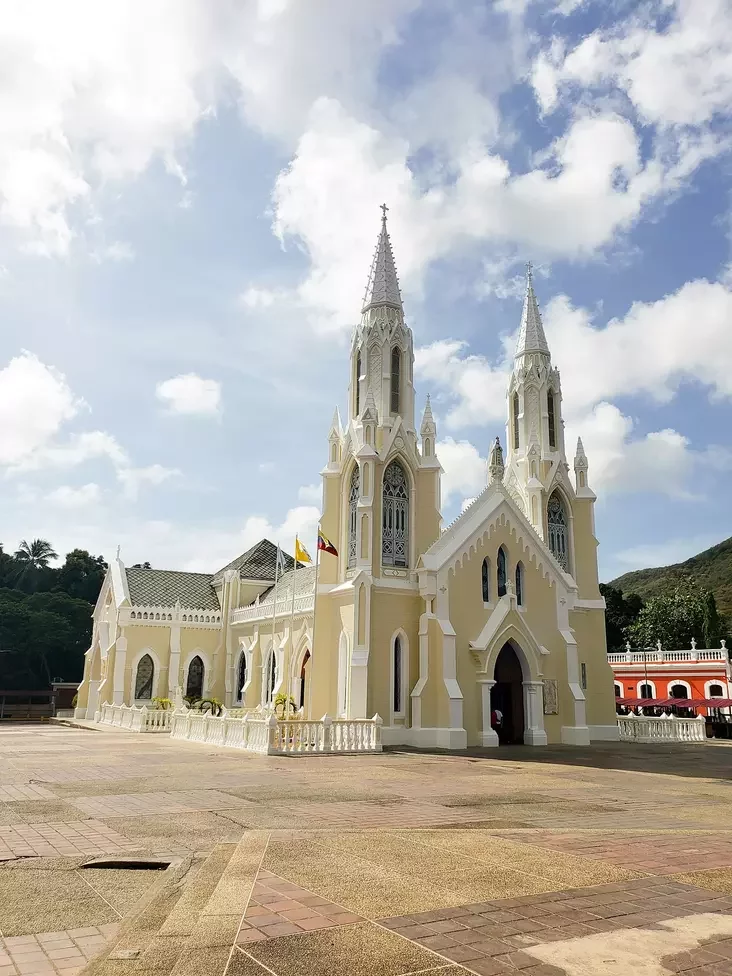
Cards, cash, crypto
Cash in Venezuela can be withdrawn at a high interest rate and only up to $1000 per month. So, I simply brought cash with me to Margarita and spent it as needed. Binance is common here; almost everything can be paid through it. Belarusian Visa/Mastercard also worked everywhere. Dollars are widely used on Margarita. I only needed local currency on the bus, but even there, I could pay with dollars.
There are options for international transfers and cash, but it's a long story, and the situation is constantly changing. In six months, it will definitely be outdated.
I spent two months dealing with Payoneer, and now Belarusian accounts are completely banned there. It's a shame; it used to be a good argument for hiring (employers trust potential employees with Payoneer more than those who ask for salary in crypto).
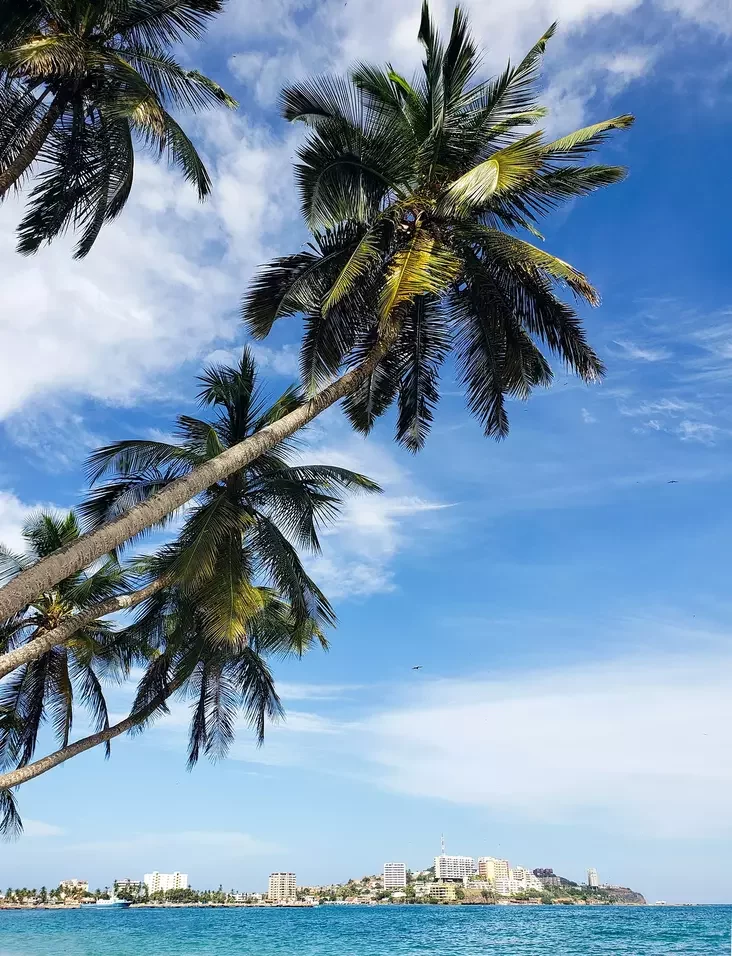
Venezuela is not an easy country to live in. It is currently in a difficult situation. Locals assured me that the situation would improve soon. But my economic education does not allow me to believe this. Come back in 5-10 years; it will be good here then. But not now. For myself, I decided that if my salary allows, I'd rather try neighboring Colombia. But I will return to Venezuela again.
If you are seriously considering this region for relocation, weigh everything carefully.
Such a decision will be expensive. Flights are costly, especially if you don't have a Schengen visa or a US visa. Accommodation in Latin America is also not cheap everywhere. Local salaries can be decent, but not in Venezuela. Don't forget about vaccinations; even the local flu can scare you. Be prepared to encounter centipedes, scorpions, and cockroaches (if you're "lucky" – right in your accommodation). It will be hot all the time, and sweat will pour in streams.


Comments