


Nephew of scandalously famous Belarusian chansonnier scammed 20,000 actors from all over Russia
Around 20,000 actors from various regions of Russia may have fallen victim to an unusual scheme related to a fake casting call. Its organizer is named Leonid Smuniov — the nephew of Belarusian chansonnier Ilya Smuniov, who was put on an international wanted list via Interpol in 2021, reports the Russian Telegram channel Mash.
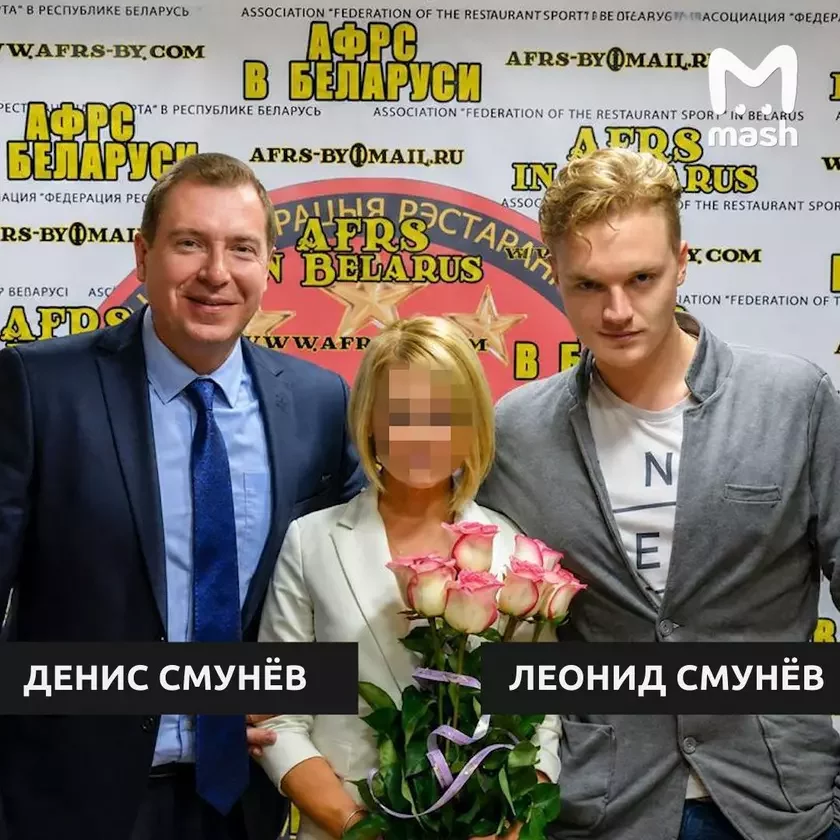
Under the guise of a casting call, Leanid Smuniov collected photographs, voice recordings, mobile phone numbers, and other personal data from actors. Such data could potentially be used by fraudsters to create fake audio and video materials with the help of artificial intelligence.
Leanid Smuniov is the son of Belarusian restaurateur Dzianis Smuniov, who previously headed the "Federation of Restaurant Sport of Belarus." Ahead of the 2018 FIFA World Cup, Dzianis moved to St. Petersburg, planning to organize a culinary championship there. Around the same period, his son Leanid also ended up in St. Petersburg. He reportedly enrolled in a theatrical educational institution.
Leanid's uncle, Ilya Smuniov, was a sports official in Belarus in the past and also pursued music. He became known as the author of songs about the 1990s and Aliaksandr Lukashenka. Among his most famous compositions is the song "Where the Father goes, there go I".
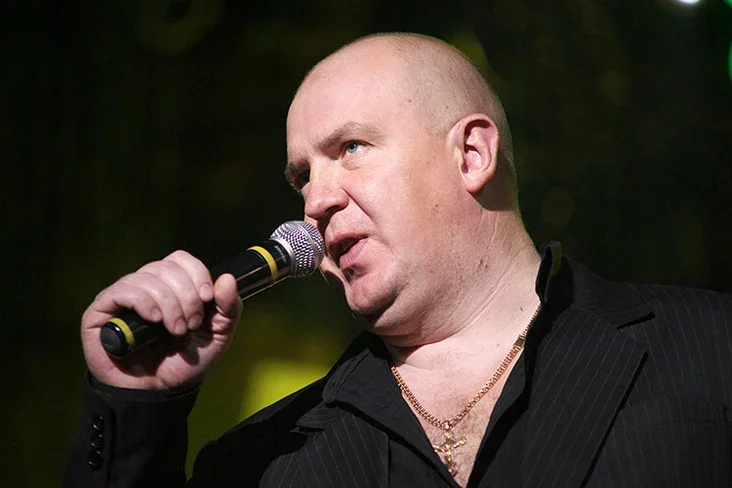
Ilya Smuniov
In 2021, Ilya Smuniov, along with the then-prosecutor of the Vitebsk region, allegedly attempted to give a bribe to an official. The men were detained, but Smuniov managed to leave Belarus and consequently ended up in the Interpol wanted list database. Later, however, he was acquitted. The Vitebsk prosecutor was eventually sentenced to two years of restricted freedom with the obligation to remain at his place of residence.
As for his nephew Leanid Smuniov, he recently published an emotional video on social media, in which he spoke about being tired of his own failures. He stated that he had written a script and even received a grant for its implementation. After this, the young man announced a so-called "people's casting" and urged actors to send their data to participate in the project.
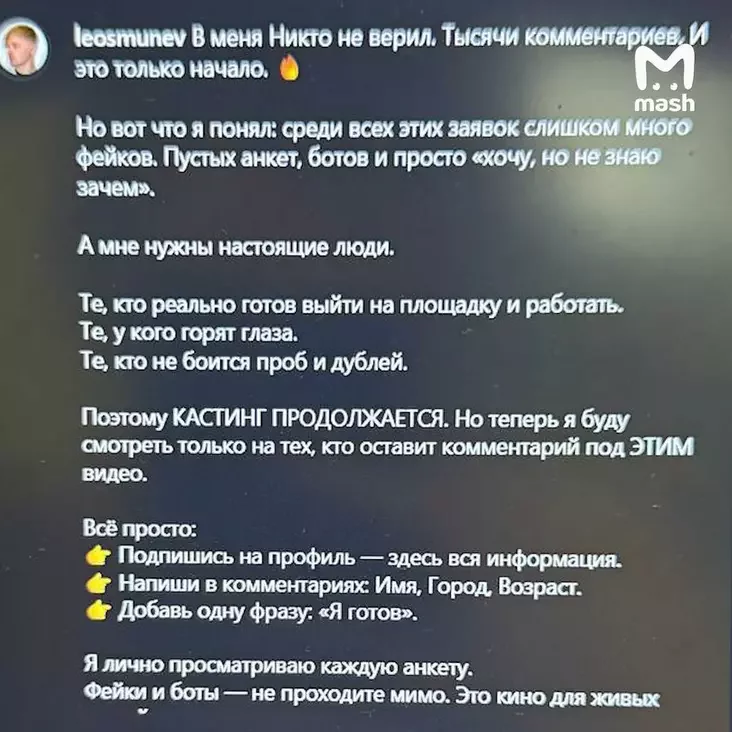
The publication garnered significant public attention. Some people shared the video to help him promote it. Among those who reposted the video was, for example, actor and director of the popular TV series "Svyaty" Barys Dzergachev. Others believed the announcement and indeed submitted applications to participate in the casting.
However, actress Anastasia Panteleeva of the Alexandrinsky Theater in St. Petersburg became suspicious of the story. She contacted Smuniov with additional questions to clarify details about the project. According to her, instead of normal answers, she encountered an aggressive reaction, insults, body-shaming, and strange statements from the young man.
After this, Panteleeva decided to verify the information Smuniov was spreading. She found out that he actually did not have a higher education, nor did he have the script he presented in the form he described it. Furthermore, his name was allegedly absent from the official lists of applicants and grant recipients for 2025 and 2026.
Meanwhile, the scale of data collection was already very large. Around 20,000 actors from all over Russia had managed to provide their personal data to the casting organizer. This could include photographs, voice recordings, phone numbers, and other information typically requested during real casting calls.
This is what caused the most concern. Specialists and the victims themselves point out that such a large body of information could be of interest to fraudsters. Photographs and voice samples, combined with a phone number and other data, potentially allow for the creation of fake videos and audio recordings using artificial intelligence, and their use in various fraudulent schemes.
Currently, participants in this casting are behaving differently. Some people, along with Anastasia Panteleeva, are trying to expose Smuniov's story on social media and mock his statements. Other participants are considering the possibility of contacting the police and courts.
Lawyers believe that, depending on the circumstances, Smuniov's actions could be classified as illegal collection of personal data or as fraud. If it's only about a violation of personal data processing rules, he could face administrative liability and a fine of up to 15,000 Russian rubles (about $182). If law enforcement manages to prove the elements of a crime related to fraud, then under the corresponding article, a punishment of up to two years of imprisonment is possible.


In Belarus, rules for the evacuation of valuables in case of war approved: bricks from Brest Fortress with inscriptions will be saved before paintings by Chagall and Soutine

In Belarus, rules for the evacuation of valuables in case of war approved: bricks from Brest Fortress with inscriptions will be saved before paintings by Chagall and Soutine


Former Gazprombank Vice-President Volobuev – on serving in the AFU, connections with the "Black Spark" underground, and abandoning his family in Russia

Former Gazprombank Vice-President Volobuev – on serving in the AFU, connections with the "Black Spark" underground, and abandoning his family in Russia

"Have you seen the wallpaper from the developer? It's a nightmare." Why is state-provided renovation in apartments for those on the waiting list criticized?


Comments
І гэта нам беларусам з Ісраіля ісраіліцянін кажа???))))