


How long do dollars last? Here's the lifespan of 5, 50, and 100 dollar bills
Each denomination has a different lifespan.
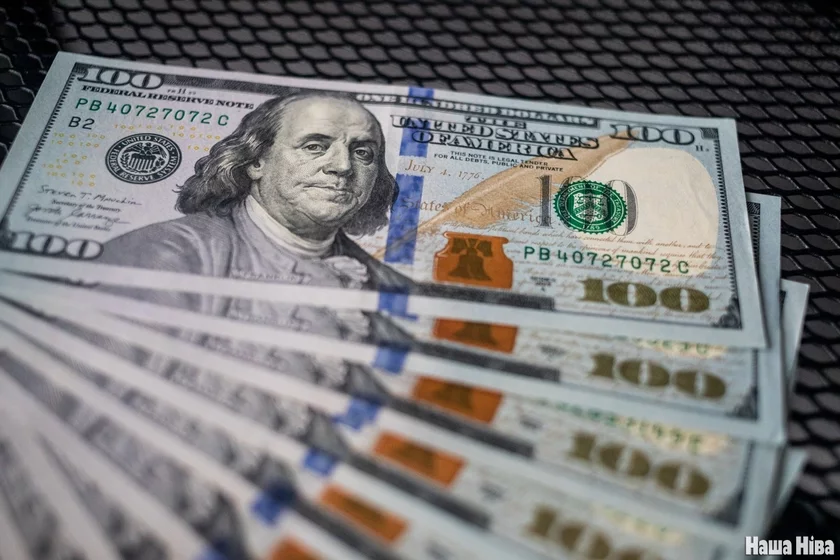
US dollar banknotes are made from a blend of 25 percent linen and 75 percent cotton. However, like all money, they have a durability limit, Myfin reports.
The lifespan of banknotes, provided by the US Federal Reserve System, represents average figures for American circulation. In the US, dollars are used daily: they are used to pay in stores, cafes, at gas stations, and for making change.
In most countries, including Belarus, the dollar is not an everyday currency. We don't use it for purchases in stores, so under these conditions, banknotes usually last longer than where the dollar is the primary means of payment.
Why 100 dollar bills last the longest
The most "durable" banknote is the 100 dollar bill. On average, it lasts 24 years. This is because the hundred-dollar bill is rarely spent in stores: it is more often saved, kept in safes, or used for large transactions.
Fifty dollar bills follow — almost 15 years. Twenty dollar bills last a little over 11 years.
Smaller denominations wear out faster
1-, 5-, and 10-dollar bills change hands more frequently, so they lose their appearance faster. The average lifespan of a one-dollar banknote is a little over 7 years, while for fives and tens, it's about 6 years.
In other words, while one hundred-dollar bill "lives", a one-dollar bill can be replaced almost four times.
What's important to know
It's important to distinguish between physical wear and the legal status of a banknote. Lifespan is the average period during which a bill is in circulation before it wears out, after which it is withdrawn from circulation and destroyed.
There is no "expiration date" as such for dollar banknotes: all bills issued by the US Federal Reserve System after 1914 remain legal tender.


Comments
дык ім хоць бы хны... нават лепш сталі
як новенькія