


"Zebra-striping" as a hangover cure. What is it and does it really help?
"Zebra-striping" is a new trend gaining popularity in the UK.
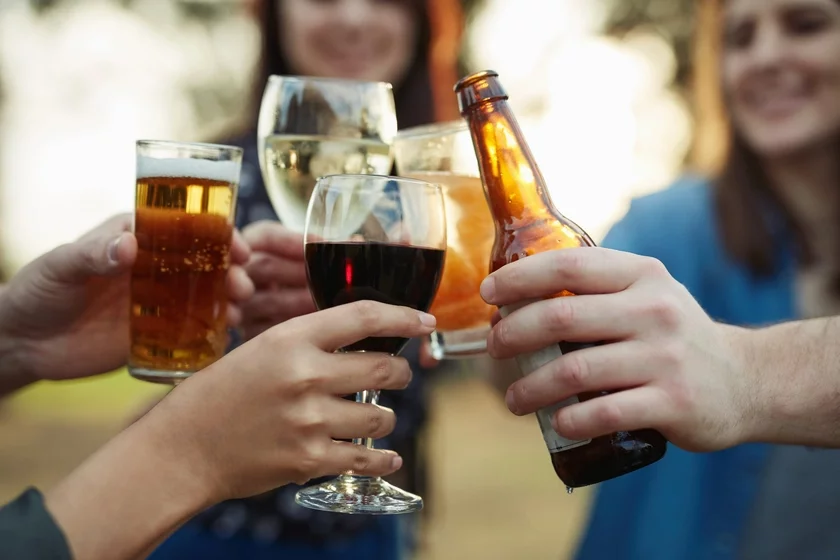
Photo: Getty Images
The essence is simple: after a glass of beer, a glass of wine, or any other alcoholic beverage, you should drink something non-alcoholic — water, juice, or lemonade. Only after that can you order the next portion of alcohol.
According to market research, in 2025, the "zebra-striping" method became very popular in the UK: about a third of adult Britons admitted to already trying to alternate alcoholic and non-alcoholic drinks during social gatherings.
This trend also interested scientists. Professor Katie Montgomery and Dr. Abby Rose from Liverpool John Moores University analyzed whether such a practice truly helps avoid the negative consequences of alcohol consumption. The results are presented by The Conversation.
Why this might help
To better understand, one needs to delve into physiology. The average adult body can process approximately 10 ml of pure alcohol per hour. This roughly corresponds to a small glass of wine, a shot (25-30 ml) of strong alcohol, or half a pint of beer. If a person drinks faster than the body can eliminate alcohol, the blood alcohol concentration increases.
Alternating alcoholic and non-alcoholic drinks slows down the overall pace of alcohol consumption. As a result, a person not only gets drunk slower but also often drinks less alcohol throughout the evening.
This is important both for how a person feels during a social gathering and for their future health. Large doses of alcohol can immediately impair decision-making ability, reduce self-control, and increase the risk of injuries. Regular excessive alcohol consumption, according to research, is linked to impaired memory, attention, and other cognitive abilities.
Furthermore, there is a psychological aspect to alternating drinks. If a person holds a glass or a goblet, those around them are less likely to offer another alcoholic drink. This can reduce social pressure and help maintain a chosen pace.
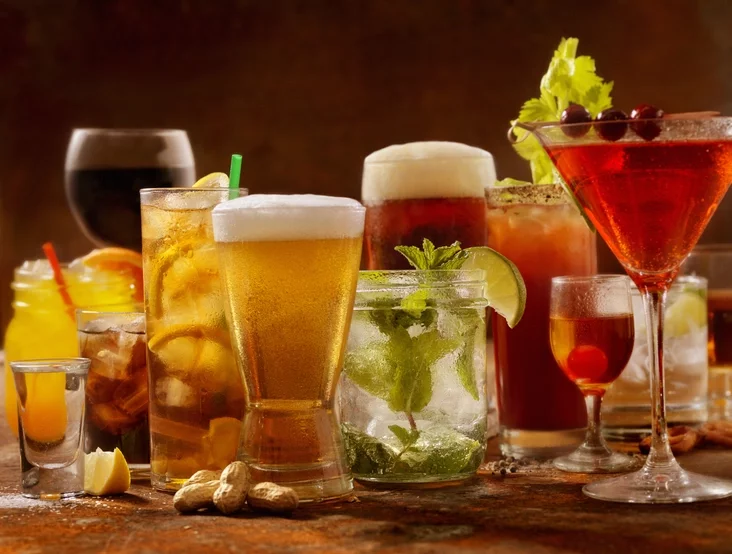
Photo: Getty Images
Does water save you from a hangover?
Many proponents of "zebra-striping" believe that one of the main advantages of this method is the additional replenishment of fluid reserves in the body, which supposedly helps avoid hangovers.
Alcohol has a diuretic effect, so the body loses more fluid. This can contribute to symptoms such as thirst, headache, and dizziness.
Alternating alcohol with water or non-alcoholic drinks helps replenish fluid losses that occur during alcohol consumption. Thanks to this, some typical hangover symptoms — thirst, dizziness, and headache — may be alleviated.
But studies show that although dehydration and hangover symptoms often occur together, they are not the same thing. Fluid balance correction alone does not reliably prevent hangovers.
A hangover itself is much more complex. Scientists link it to the influence of a complex of factors: toxic products of alcohol breakdown, inflammatory processes in the body, sleep disturbances, and immune system reactions.
Therefore, water alone cannot reliably prevent a hangover.
What determines the severity of a hangover?
The main factor remains the amount of alcohol consumed. The higher the blood alcohol concentration and the more alcohol a person consumed during the evening, the greater the likelihood of a severe hangover the next day.
Studies also indicate that people whose bodies process and eliminate alcohol faster usually experience the aftermath of social drinking more easily.
It is also important to consider what non-alcoholic drink a person chooses. Carbonated beverages can accelerate the entry of alcohol into the bloodstream, so intoxication occurs more quickly.
This is because carbon dioxide speeds up the movement of stomach contents into the intestine, where alcohol is absorbed more actively. However, carbonated drinks do not increase the total amount of alcohol in the body but can make a person feel its effects sooner.
Is it worth using this method?
The researchers' conclusion is unambiguous: "zebra-striping" can work, but certainly not in the way some hope. This method in no way stops the biological processes that cause hangovers, and its success depends solely on whether it helps us generally drink less alcohol. If it merely prolongs the party or compensates for breaks with stronger drinks, the benefits quickly disappear.
Furthermore, maintaining such a regimen becomes more difficult as one becomes intoxicated. This requires self-control, which alcohol precisely weakens.
Therefore, the researchers' main conclusion remains unchanged: if the goal is to avoid hangovers or minimize their manifestations, the most reliable way is to drink less alcohol or abstain from it altogether.
Now reading





Remember the story of the American woman kept in a coma after death to prevent terminating her pregnancy? A year has passed: what is happening with the child now?


Comments