


The mouth of the Mukhavets was dammed. Its sleeves around the citadel of the Brest Fortress turned into a swamp
Brest residents complain about the state of the bypass canal around the Brest Fortress, which is rapidly turning into a swamp with stagnant green water and an unpleasant odor.
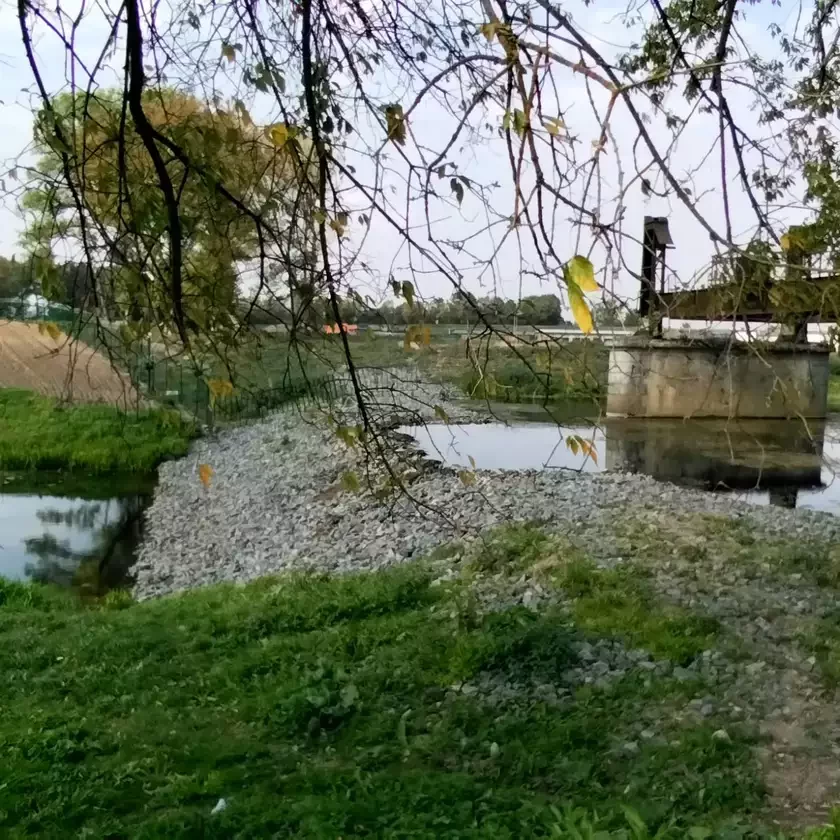
In early October, a discussion about the state of this water system erupted again on Threads.
"I haven't been to the Brest Fortress for a long time. Someone must have had the brilliant idea of damming the bypass canal. The idea, probably, was to fill it with water, but in reality, it just turned it into a swamp," the author of the publication was indignant. When one of the commentators regretfully mentioned that a chub used to stand under the bridge, the author noted that now, due to the shallows, fish "can be caught with bare hands."
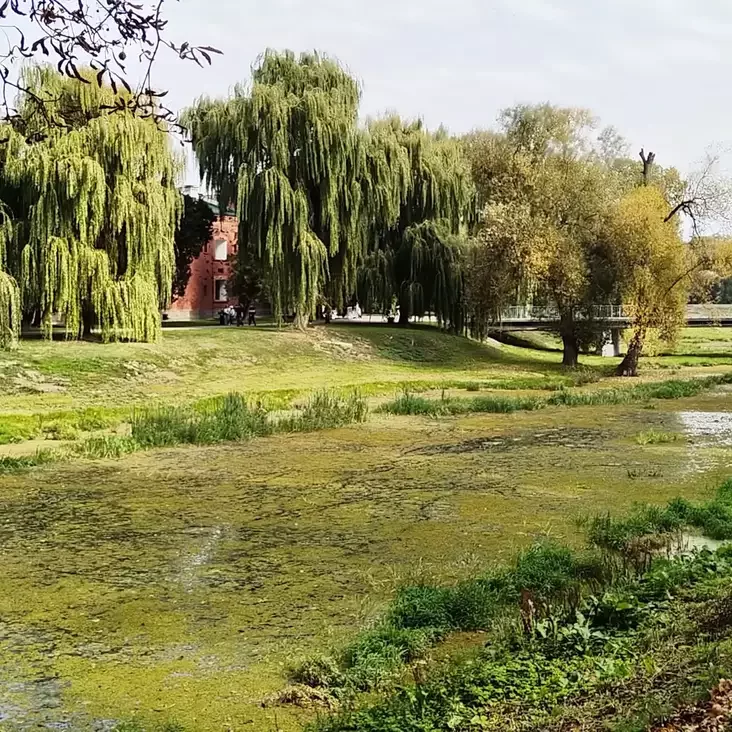
Overall, opinions in the comments were divided. Some users defended the hydraulic structures.
"The silting up of the Mukhavets should worry you least of all. If it weren't for these dams, which prevent water from flowing into the dried-up Bug, you would already be using water with restrictions," one of the discussion participants noted.
Another commentator emphasized that without the barrier, the canal would have already turned into an ordinary pedestrian path, although signs strictly prohibit passage along the dam crests.
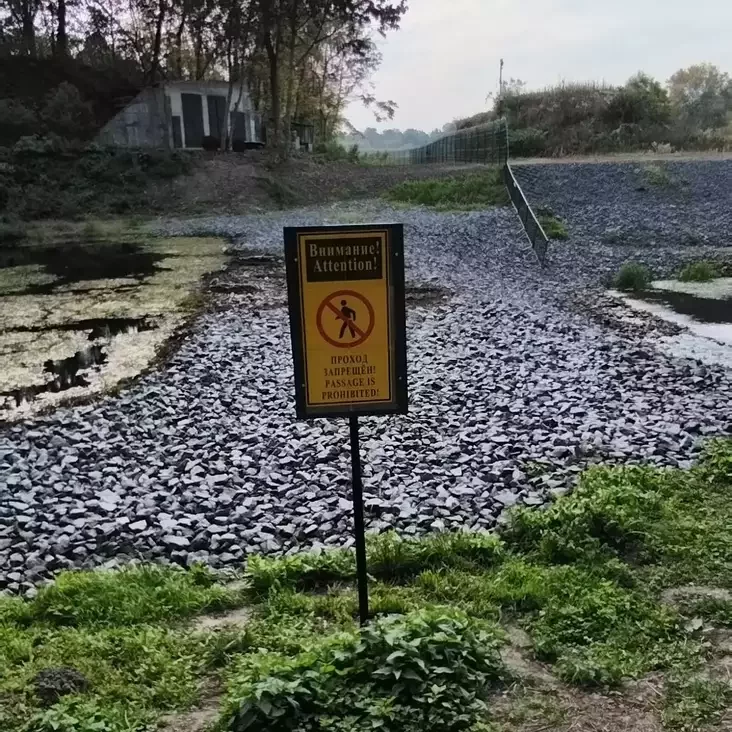
Why the dams were built
The October disputes are a continuation of a problem that has been acute since summer. Two dams made of large crushed stone were erected before the Mukhavets River flows into the Bug. One of them blocks the mouth of the right tributary near the Brigitzki Bridge, and the other - the left tributary not far from the "Berestye" museum. The purpose of the embankments is to artificially maintain the water level in the Mukhavets, preventing its rapid outflow into the Bug riverbed.

This year, Europe experienced an unprecedented drought. In August 2026, the water level in the Rhine and Danube rivers fell to historic lows, paralyzing shipping and the operation of nuclear power plants. Belarus was also affected.
As early as mid-June, residents noticed that the left tributary of the Mukhavets near the Three-Arch Gate had lost so much volume that the silty bottom became exposed, and the Bug in the area of the Warsaw Bridge receded dozens of meters from its usual banks. In neighboring Poland, a hydrological drought was even officially declared for the Bug basin, recording a drop in water flow below critical thresholds.
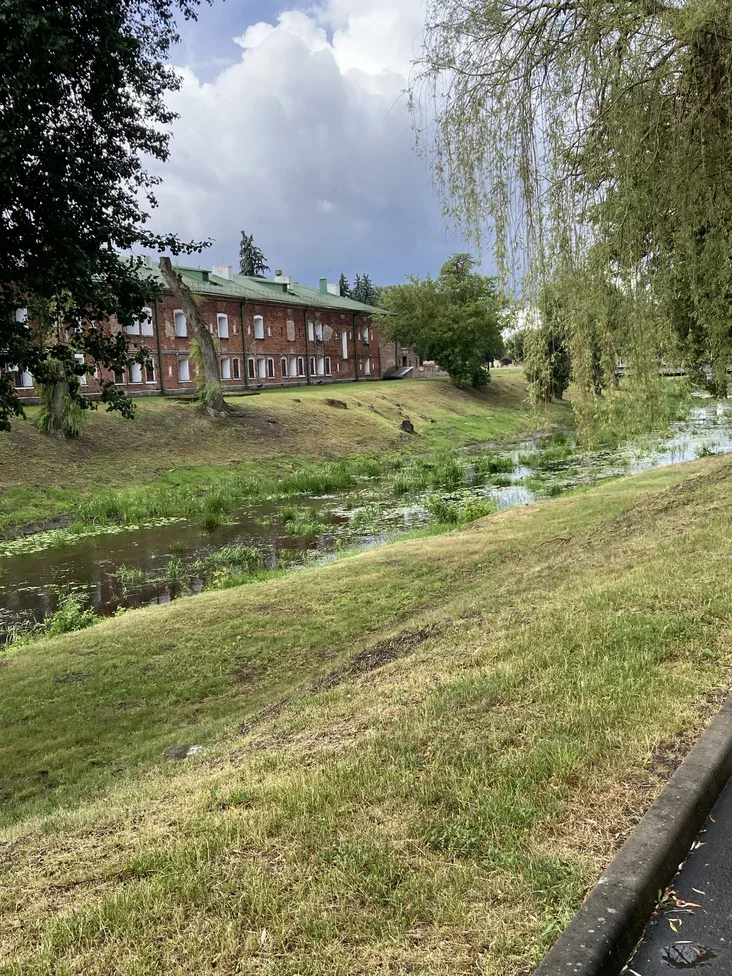
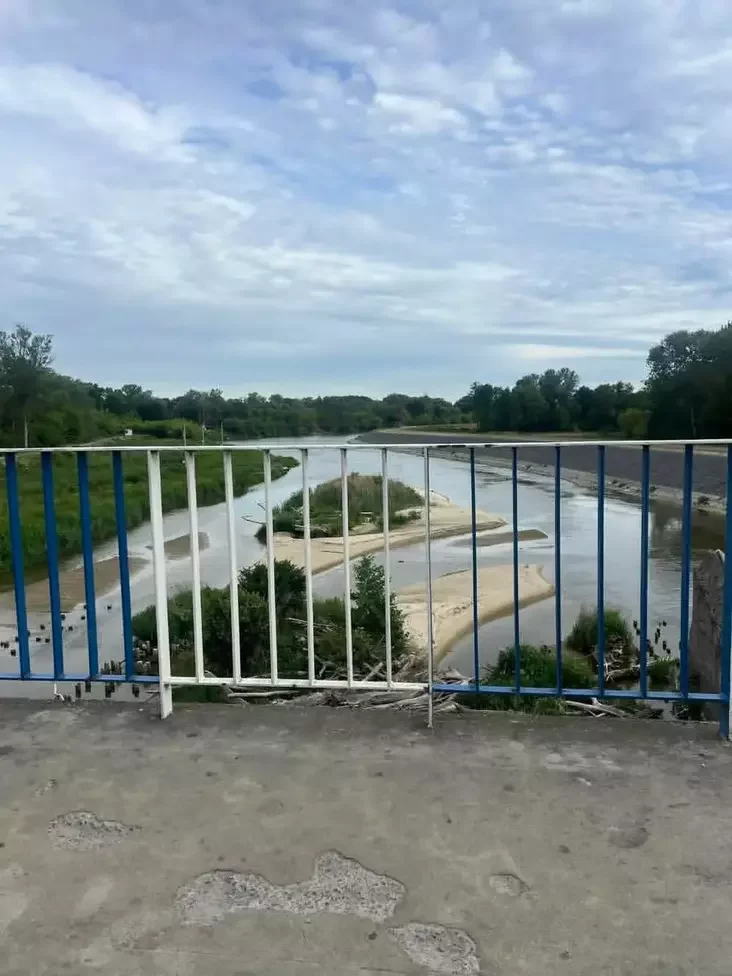
To avoid the catastrophic shallowing of the Mukhavets, the local authorities built two dams at its mouths. Overflow dams allow water to flow from the Mukhavets into the Bug only when the level of accumulated water in the Mukhavets riverbed exceeds the height of the dams. Such an overflow could be seen in mid-summer, as soon as the dams appeared.
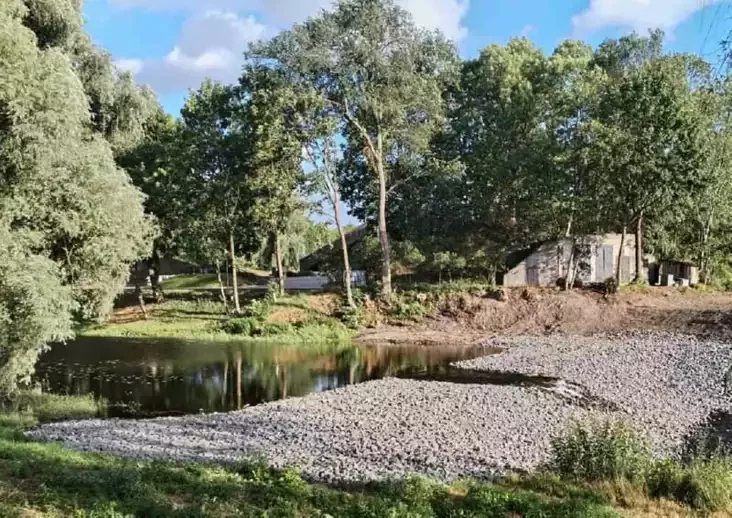

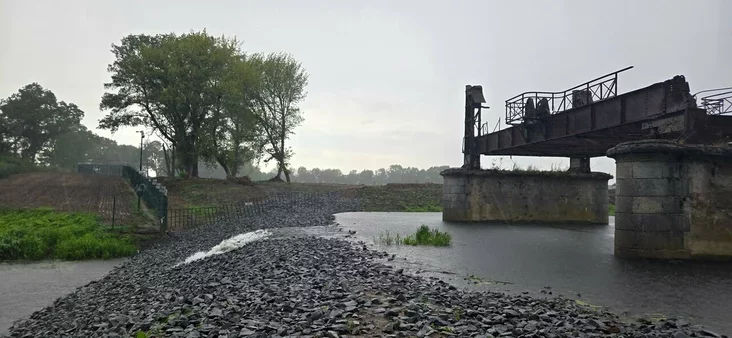
However, the artificial regulation of the water level led to both tributaries of the Mukhavets (or as they are also called, the fortress bypass canal) turning into stagnant bodies of water by autumn.
In combination with high temperatures and low rainfall, warm stagnant water creates an ideal environment for the explosive reproduction of blue-green algae (cyanobacteria). When this biomass begins to die off, a putrefaction process occurs, accompanied by an unpleasant odor and oxygen deficiency for aquatic inhabitants.
Brest residents complained about the "swamp stench" and water blooming in social networks as early as September. The problem, however, is unlikely to be solved yet.

The Bug has not recovered from the drought
It is unknown whether maintaining a certain water level in the Mukhavets is important for the city's utility services and industry, but the dams are unlikely to disappear before next year — the Bug has not recovered from the summer drought.
The hydrological post in Ukrainian Kamyanka-Buzka as of early October records the water level in the Bug at 56 cm, the post in Polish Włodawa, upstream from Brest, at 54 cm. This is three times less than the average long-term norm of 156 cm. If the dams were removed now, water from the Mukhavets would simply flow into the Bug, and the Mukhavets would become shallow.
October belongs to the summer-autumn low water period — a period with consistently low water levels in rivers. Autumn precipitation has not managed to rectify the hydrological drought situation, as the moisture is immediately absorbed by the dried soil and does not reach the riverbeds of the Bug and its tributaries. The water situation in Belarusian rivers may only improve with the spring floods in 2027.

Salvation or self-deception?
The use of dams and dikes as a method of combating low water levels has its opponents. An international group of scientists from Uppsala University (Sweden) proved that reservoirs and dams paradoxically increase the potential harm from drought. Artificial water retention creates an illusion of security, provoking an increase in consumption (the so-called "demand and supply cycle"), which leads to an even sharper deficit in the long term.
Today, European rivers are blocked by more than a million different barriers (dams, locks, dikes). This fragmentation disrupts natural water exchange, hinders fish migration, and turns living rivers into cascades of stagnant ponds prone to blooming and silting.
In Europe, a movement to demolish old dams is gaining momentum: in 2022 alone, 325 river barriers were removed in 16 countries to restore natural flow.
«Nasha Niva» — the bastion of Belarus
SUPPORT US-
Archpriest Andrei Lemeshanok complained about inspections. And called the trips of the nuns of St. Elisabeth Convent around Europe "heroic"
-
Former soloist of "Pesnyary" moved to a village and works as a school teacher of chemistry and biology
-
Belarusbank announced the restoration of online banking operations
Now reading


"Why should we somehow restrict ourselves?". RTBD director explained why she staged a play based on Pushkin in one of the last theaters in the country that worked in Belarusian


Comments
Замест "вада ўнізе, толькі калі вада ўверсе больш фіксаванага ўзроўню" можна прапускаць хаця б мінімум вады, нават калі і ўверсе яе не так шмат.