


In mid-September, schoolchildren in the suburbs of Paris began protesting and blocking schools. Soon the movement spread across the entire country. Students complain about excessively long school days, overcrowded classrooms, old buildings, and the constant absence of teachers. The protests were supported by peers in Belgium and Italy, writes Euronews.

The next day of action is scheduled for October 13. A separate protest against the high cost of living and rising fuel prices is planned for October 17, and it could revive the "yellow vests" movement. Many students are coming out with slogans referencing May 1968, when student protests escalated into a general strike. Sociologists believe that both scenarios are simultaneously possible: a merger of different waves of discontent or a gradual fading of the movement. Two-week school holidays might contribute to the latter.
Education Minister Édouard Geoffroy promised to send 3,000 substitute teachers to schools. Unions call this a temporary patch and remind that the crisis in schools has been ongoing for a long time.
Since the start of the movement, 6,877 people have been arrested, 86% of whom are minors. This is significantly more than during the first month of the "yellow vests". Severe injuries to teenagers from police grenades and rubber bullets caused widespread outcry. Police are conducting 24 internal investigations, and the UN has called for proportional use of force. According to authorities, 761 police officers and gendarmes were also injured, and several schools were damaged or burned. Experts consider the police brutality unprecedented since 1968. It was this brutality that attracted adults to the movement: parents and unions.
The minority government is trying to pass the 2027 budget through parliament with austerity measures. The deficit is 5.4% of GDP; the country is facing a cost-of-living crisis. With less than six months until the presidential elections in April, Marine Le Pen is leading in the polls. Prime Minister Sébastien Lecornu and right-wing parties accuse Jean-Luc Mélenchon and "La France Insoumise" of using youth for political purposes. Mélenchon responds that his party supports the movement but does not organize it.
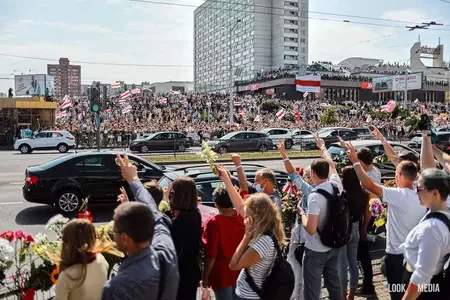


Former locksmith of a military unit in Pleschenitsy was heading for a record number of criminal convictions — but disappeared in the very first "meat assault"


Comments
Як сталі падаць рэйтынгі ў левых - адразу з'явіўся нейкі крызіс і нейкія пратэсты.