


Villena Treasure, unique Bronze Age gold artifacts, stolen in Spain in four minutes — the only such in the world
The operation to steal one of the greatest monuments of the prehistoric era was brilliantly planned. The perpetrators distracted the police with a fake call and cleared out the museum display cases in a matter of minutes. This is already the third attack on valuable collections in Spain in six months.
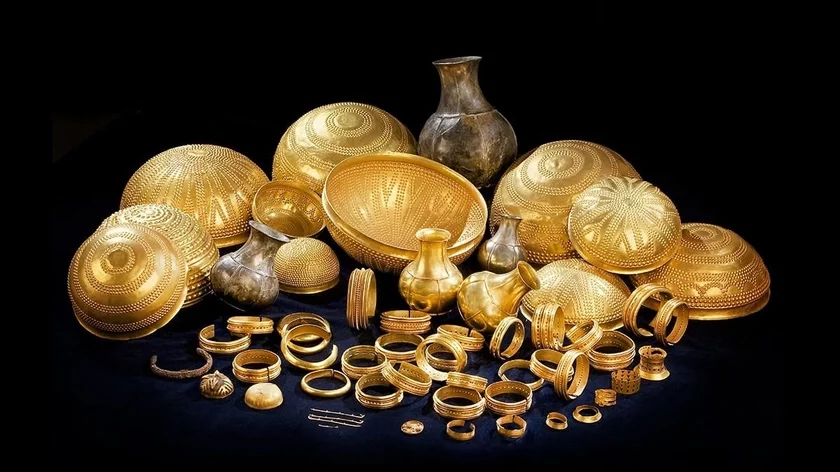
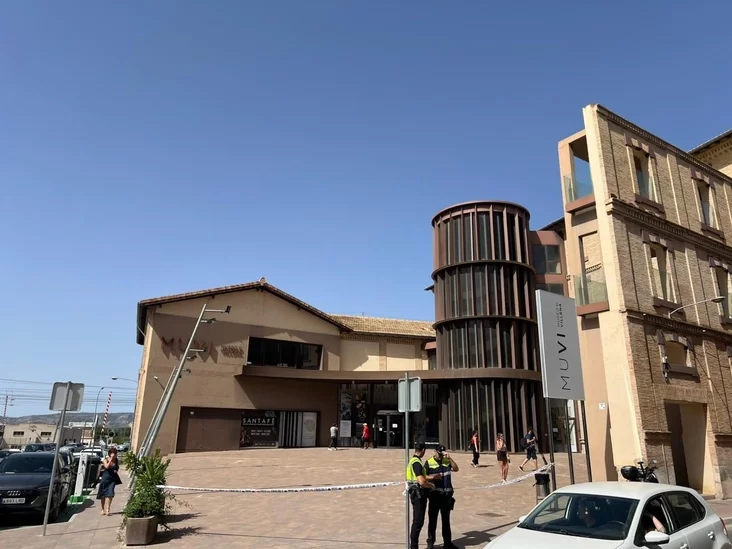
The daring robbery took place early on August 27 at the Villena Museum in the Spanish province of Alicante. As reported by El País, the criminals demonstrated a cinematic level of preparation, carrying out the entire operation in less than four minutes.
First, they distracted the police by triggering an alarm in a municipal sports complex on the outskirts of the city. While the police rushed to the fake call, the robbers smashed the museum's side windows, broke through the armored glass, and cleared the main display case.
The looters' haul was the so-called Villena Treasure — the largest collection of Bronze Age gold artifacts on the Iberian Peninsula and the second most significant in all of Europe after the finds from Greek Mycenae.
The British newspaper The Guardian specifies that the treasure was created approximately three thousand years ago and consists of massive gold bracelets, bowls, and decorative elements. The net weight of the precious metal approaches ten kilograms.
Along with the prehistoric artifacts, three later crowns from the local sanctuary of the Virgin Mary also disappeared. However, the perpetrators left silver vessels and unique artifacts made of meteoric iron behind in their haste.
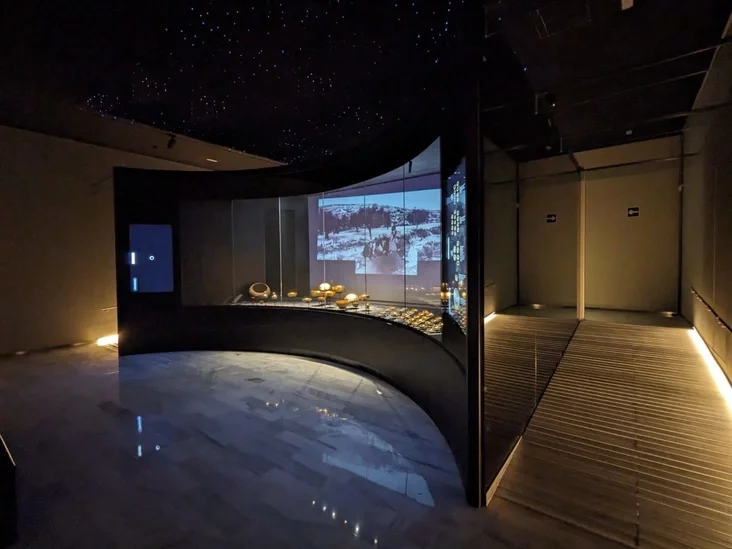
In 1963, an ordinary construction worker found a strange metal object in gravel and gave it to the construction manager, thinking it was just a truck part. It was only after another worker's wife took a bracelet to a jeweler that archaeologist José María Soler became involved. He initiated excavations in a dried-up riverbed near Villena, where an ancient pot with countless riches of the prehistoric elite was found.
Mayor Fulgencio Cerdán stated to journalists with tears in his eyes that the loss is a disaster for the entire region.
The robbery in Villena is not an isolated incident in the country. As noted by Euronews, this is already the third large-scale attack on historical collections in Spain in the last four months. Previously, highly professional groups cleared out numismatic collections in Badajoz and Albacete in just a couple of minutes. Europol is raising the alarm — new criminal networks have appeared in Europe, specializing exclusively in the theft of cultural artifacts and operating with unprecedented speed and violence.
The main loss for Spain is not at all in money or image. While paintings by prominent artists or ancient statues are usually stolen for resale on the black market to private collections of true connoisseurs, items made of precious metals often face a much more prosaic and barbaric fate.
There is a great risk that the unique heritage of European civilization, which happily survived three millennia in the earth and the change of dozens of empires, will simply be melted into ingots for the quick profit of modern looters. The question now is only whether the Spanish police will manage to get ahead of the melting furnace.
«Nasha Niva» — the bastion of Belarus
SUPPORT US-
Alexievich: All materials for the book about love remained in Minsk
-
120 years ago, the first issue of the first legal Belarusian newspaper was published
-
Far-right brought their own sculpture of John III Sobieski to Vienna. The city refuses to erect an official monument to its liberator due to fear of Islamophobia
Now reading


In the Czech Republic, Poles Beat a Pole, Mistaking Him for a Ukrainian Due to a Hat in the Colors of Upper Silesia. The Guy Was on a Charity Bike Ride for His Pregnant Partner Who Had Cancer


Comments
па-беларуску гэтая назва пішацца наступным чынам:Еўрапол
Чаму менавіта так?
Еўра- — першая частка назвы паходзіць ад слова Europe (Еўропа). Паводле правіл беларускай арфаграфіі, у пачатку запазычаных слоў пад націскам пішацца літара Е (а не Э), а спалучэнне eu перадаецца як еўр.
-пол — другая частка скарочана ад Police (паліцыя). Тут дзейнічае правіла акання: паколькі націск падае на другі склад (Еўрапо́л),
неакцэнтаванае о ў першым складзе ператвараецца ў а (Еўра- заміж Еўро-).
>жонка іншага рабочага аднесла --- жонка ДРУГОГА рабочага,
а "іншая жонка" - гэта , дббл, ПАЛЮБОЎНІЦА!