


International Criminal Court Chief Prosecutor Karim Khan dismissed over sexual harassment allegations
This case goes far beyond the fate of one prosecutor and could affect the future of the world's only permanent international war crimes tribunal.
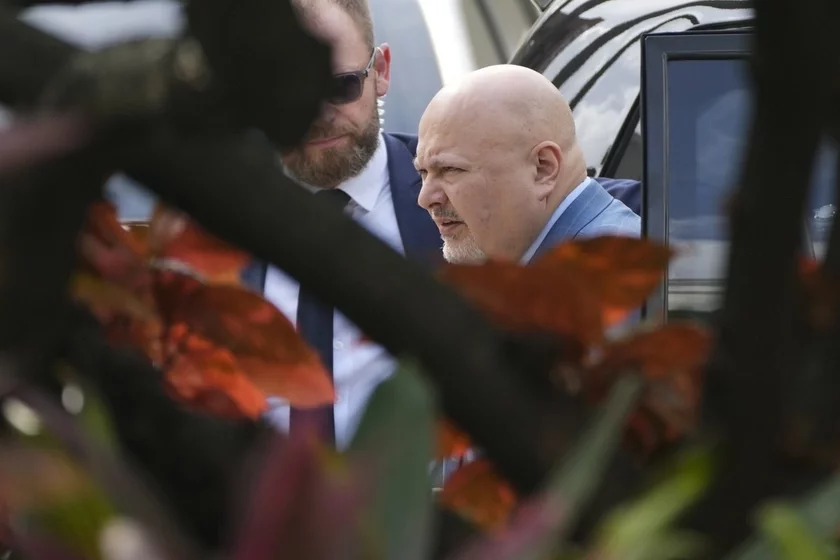
Members of the International Criminal Court (ICC) have voted to dismiss Karim Khan from his post as chief prosecutor over allegations of sexual harassment. Khan himself denies all accusations against him, writes the BBC.
The powers of Karim Khan, who was elected ICC Chief Prosecutor in 2021, were suspended last month. The decision to dismiss him was adopted by 82 votes "for".
In June, the court's oversight body concluded that Khan had committed a "serious breach of official duties and serious disciplinary misconduct." He was accused of repeated sexual harassment of an ICC employee over a long period, as well as attempts to prevent her from filing an official complaint.
Khan has repeatedly denied all charges. His lawyer stated that he would challenge "the legality and fairness of this decision using all available legal mechanisms."
It is not yet clear what legal options remain for the dismissed prosecutor.
However, this case goes far beyond the fate of one prosecutor and could affect the future of the world's only permanent international war crimes tribunal.
What awaits the ICC?
The investigation into the Chief Prosecutor's alleged misconduct has drawn increased attention to the ICC, intensified internal contradictions, and coincided with an unprecedented campaign aimed at weakening and, in fact, dismantling the court.
ICC supporters fear that as a result, the court will be less capable of confronting serious global threats.
Karim Khan, a prominent British lawyer, has been on voluntary leave since May 2025. He has also been suspended from legal practice in the UK after the Bar Standards Board imposed a temporary ban on him pending its own investigation.
Khan was unable to attend the vote, which took place at UN Headquarters in New York, as he is barred from entering the US under sanctions imposed by the Donald Trump administration in connection with the ICC's investigation into alleged war crimes by Israeli officials in the Gaza Strip.
Regardless of his dismissal, the disputes surrounding this case are unlikely to end quickly.
Questions about the procedure
In May 2024, the ICC received information from a third party about alleged sexual harassment by Karim Khan against a court employee.
The ICC's Independent Oversight Mechanism (IOM) launched an investigation, but the case was closed after the alleged victim refused to participate in the procedure.
Critics argued that the investigation was improperly conducted, undermining confidence in the IOM.
As a result, investigators stated there was insufficient evidence to substantiate the allegations.
A second report was received in October 2024. After this, the materials were forwarded to the United Nations Office of Internal Oversight Services, which conducted a broader investigation into alleged sexual harassment and abuse of power.
The investigation lasted from November 2024 to December 2025. During this time, more than 5000 pages of evidence and testimonies were collected.
Subsequently, the investigation results were reviewed by a panel of three judges, who had to determine whether Khan's conduct constituted serious misconduct, a less serious violation, or no misconduct at all.
The accusations came during a period of unprecedented pressure on the ICC, coinciding with rising international political tensions.
US pressure
The United States imposed sanctions on Karim Khan after he requested arrest warrants for Israeli Prime Minister Benjamin Netanyahu and former Defense Minister Yoav Gallant on charges related to the war in the Gaza Strip.
In recent years, Washington's attitude towards the ICC has become increasingly hostile.
Earlier this month, the US launched a new campaign to "dismantle the ICC brick by brick," as, in the view of the Donald Trump administration, the court poses a threat to American sovereignty. The administration is threatening visa bans, asset freezes, and diplomatic pressure on allies to force them to withdraw from the ICC or refuse to recognize the court's jurisdiction over their citizens.
The United States, Russia, and Israel are not parties to the International Criminal Court. However, the ICC can exercise its jurisdiction over crimes committed by citizens of these countries in the territory of states that are parties to the Rome Statute.


Comments