


Moss considered extinct for over 100 years found in Belovezhskaya Pushcha
During targeted field research in Belovezhskaya Pushcha, Aleksey Astrelin, an employee of the Institute of Experimental Botany of the National Academy of Sciences of Belarus, discovered a unique relict moss — drooping antitrichia (Antitrichia curtipendula), reported the press service of the Belovezhskaya Pushcha National Park.
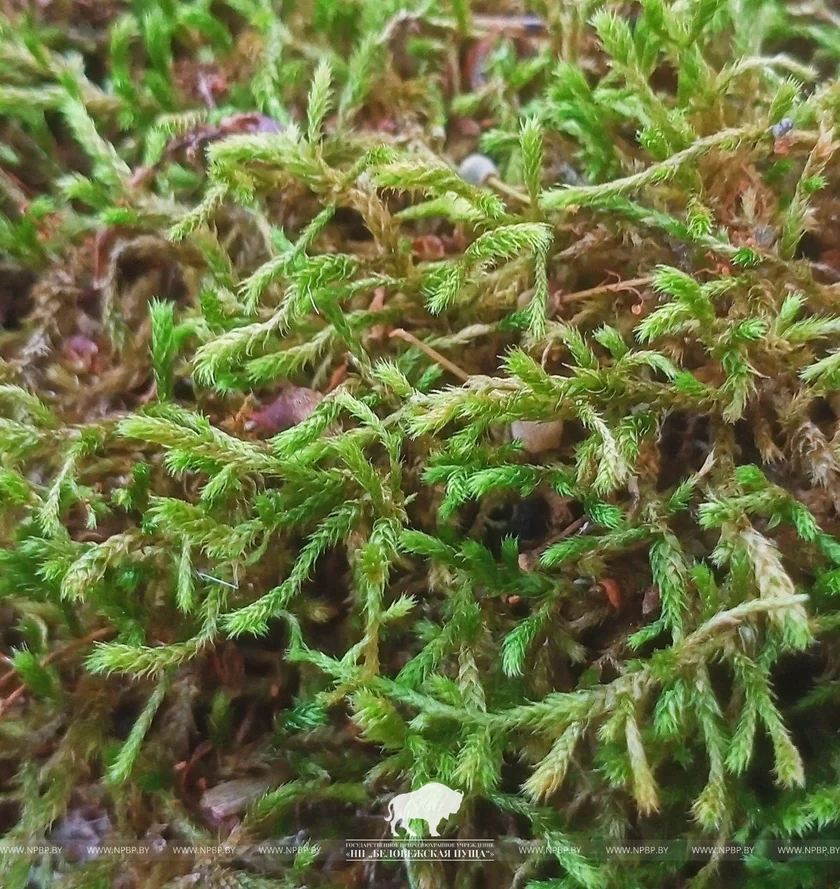
For the territory of modern Belarus, this is virtually the first confirmed registration of this species. Only two mentions of it, dated to the late 19th – early 20th century, have been preserved in scientific archives. The first comes from the research of Franciszek Ksawery Błoński, Antoni Ejsmond, and Carl-Frederik Drymer in 1888, the second from Fleischer's work in 1919.
Franciszek Ksawery Błoński then noted that he found this moss "only once on a felled oak in the Hajnówka guardhouse near the Lutownia stream." However, today the territory of this guardhouse is entirely within the Polish part of Belovezhskaya Pushcha. After 1919, the moss was no longer recorded in the region.
After more than a century of oblivion, a new growth site for the rare species was also found on an oak — in a thermophilic oak forest on the territory of the former bison breeding nursery.
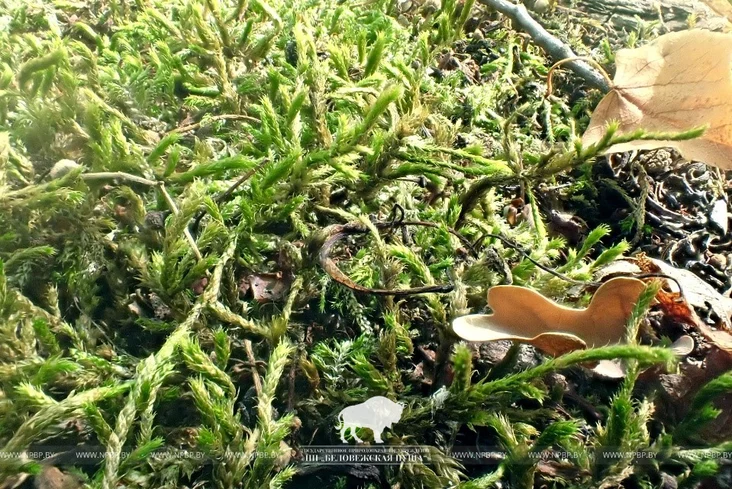
Of particular scientific and practical interest is the fact that the moss settled on a fallen oak trunk, which fell no less than 20 years ago. The wood is already in an advanced stage of decomposition. It created the specific physico-chemical conditions and stable microclimate necessary for the existence of this very demanding species.
The find clearly demonstrates the important role of large deadwood in forest ecosystems. Removing such fallen trees can lead to irreversible impoverishment of biodiversity, as they serve as a habitat for rare and specialized species of organisms.


Comments