


Radioactive implant in the brain prevents recurrence of cancerous tumor. People survive more often
A postage stamp-sized plate, when implanted into the brain immediately after tumor removal, avoids the break between surgery and radiation therapy. Research has shown that this method significantly reduces the risk of tumor recurrence and almost doubles patient survival.
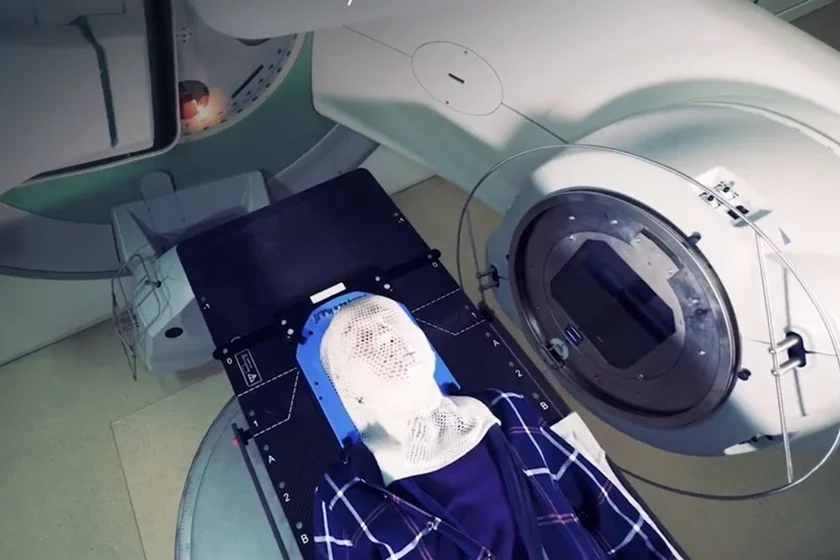
Brain metastases remain one of the most severe complications of oncological diseases. After tumor removal, patients usually have to wait several weeks for the body to recover enough to begin radiation therapy. During this time, cancer cells can start growing again, and treatment for the primary disease in other organs is often interrupted.
As writes The Wall Street Journal, American scientists propose a way to avoid this dangerous break. The results of a new study showed that a small radioactive GammaTile implant, placed directly during surgery, can significantly reduce the risk of recurrence and increase patient lifespan.
GammaTile allows radiation to begin immediately after tumor removal. The implant is a thin plate about the size of a postage stamp. After tumor removal, the neurosurgeon lines the walls of the created cavity with such plates. If necessary, they can be trimmed to match its contours.
The plates are made of collagen and contain a radioactive material that gradually emits a high dose of radiation precisely in those tissues where single cancer cells are most likely to remain. After a few weeks, the radioactivity practically disappears, and the material itself is absorbed by the body. The implant placement only increases the duration of the operation by a few minutes.
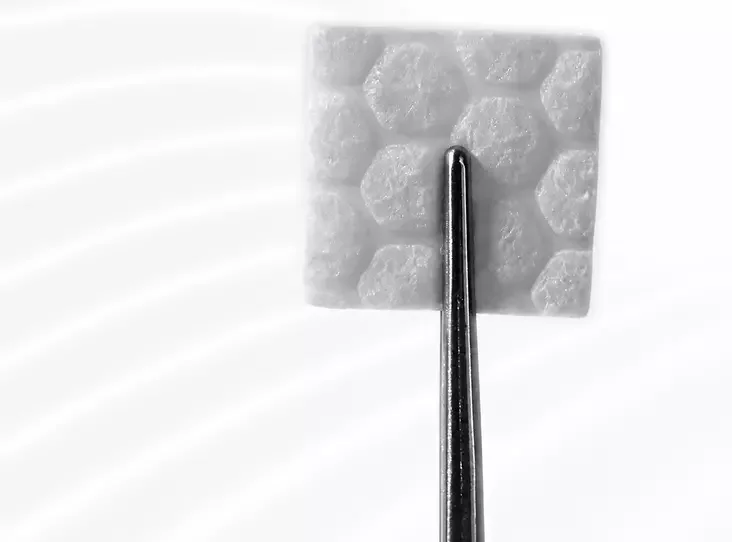
The effectiveness of the method was evaluated in a randomized study involving 230 people. Almost two-thirds of patients who received GammaTile were alive two years after treatment. In the group with standard postoperative radiation therapy, this indicator was approximately one-third.
The difference in the frequency of tumor recurrence at the surgical site was particularly noticeable. Among patients with implants, recurrence was recorded in only 1% of cases. With the traditional approach, the tumor returned in 12% of patients.
According to the study results, the overall safety profile of the new method was comparable to standard radiation therapy. However, researchers noted a slight increase in the number of cases of cancer cell spread to the cerebrospinal fluid (9.7% vs. 3%), but this difference was not considered statistically significant and did not affect the overall positive assessment of the method by the medical community.
Specialists note that one of the main advantages of the technology was the ability to avoid a prolonged waiting period after surgery. During this period, patients are often forced to stop chemotherapy, so cancer in other parts of the body can continue to develop without proper control.
Despite the encouraging results, widespread adoption of the technique may take time. GammaTile implants are already approved for use in the USA. The need for close coordination between different hospital departments is considered a basic condition for the successful application of the technology.
Meanwhile, research on the technology continues. Scientists are currently studying its effectiveness in patients with glioblastoma — one of the most aggressive forms of brain cancer, which develops directly in brain tissues rather than arising from the spread of a tumor from other organs.
Now reading


Half were denied, a third were granted refugee status. August results of reviews of Belarusians' applications for international protection in Poland have become known


Comments