


In Minsk, they want to allocate separate wards for women undergoing pregnancy termination
At the "Obstetrics of Trust" round table, organized by the Healthcare Committee of the Minsk City Executive Committee, the topic of patient segregation in gynecological departments and assistance to women undergoing pregnancy termination was specifically addressed, writes Onliner.by.
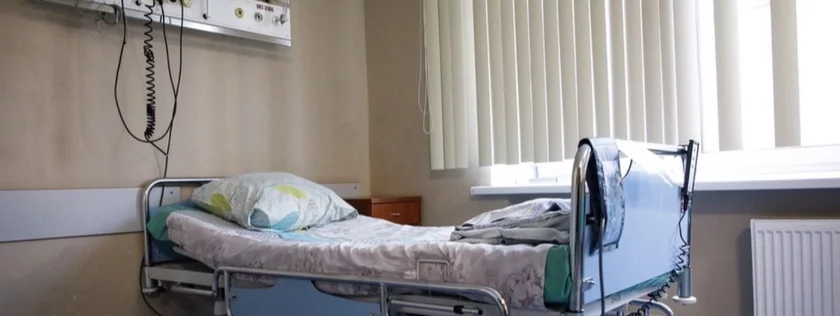
As noted at the meeting, for more than five years, capital's gynecological departments have been striving to place women who are maintaining a pregnancy and patients admitted for operations or pregnancy termination in different wards. This is done for the psychological comfort of expectant mothers and to reduce unnecessary stress.
At the same time, doctors acknowledged that the situation during treatment can change. If a pregnancy cannot be maintained, the patient's status changes, so, according to the round table participants, the system should take such cases into account.
One of the proposals was to provide separate wards for women experiencing pregnancy termination or reproductive loss. It is also proposed to conduct consultations with a psychologist or psychotherapist with such patients before the procedure begins.
Separately, families are planned to be informed about legal aspects and the possibility of conducting burial rituals in case of pregnancy loss after more than 22 weeks. Additionally, in Minsk, they want to increase the level of psychological training for medical workers, including teaching nurses and orderlies the ethics of communication with patients. Additional training in perinatal psychology is planned for specialized psychologists and psychotherapists.
The round table also discussed the allocation of breastfeeding specialists in maternity hospitals, the installation of reliable call systems for medical staff in wards, researching the needs of expectant parents, and changes in the online presence of maternity hospitals.
The discussion was attended by Yuri Gorbich, Chairman of the Healthcare Committee of the Minsk City Executive Committee, heads of Minsk maternity hospitals, representatives of BSMU (Belarusian State Medical University) and the patient community — including young and large families.


Comments