


"Tits are completely crazy." A Minsk resident has been rescuing wild birds in her apartment for five years
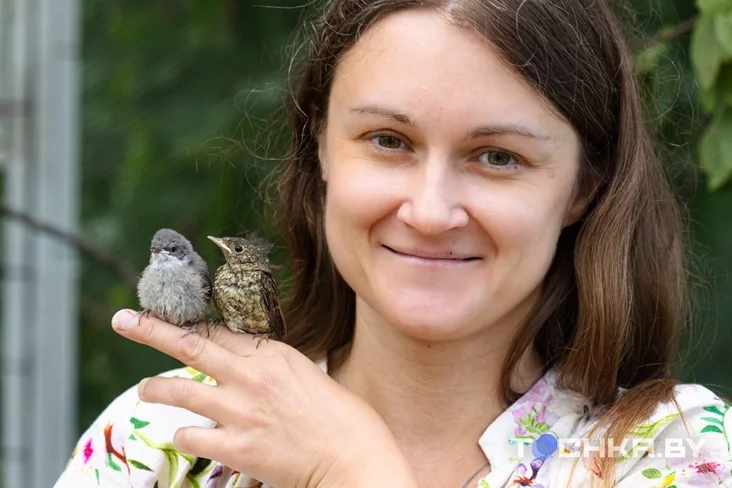
This story began with one small chick on a path. Now, Yulia Valovik has a real zoo-hospital: over 200 birds are recovering under her sensitive supervision and waiting to fly free, writes Tochka.by.
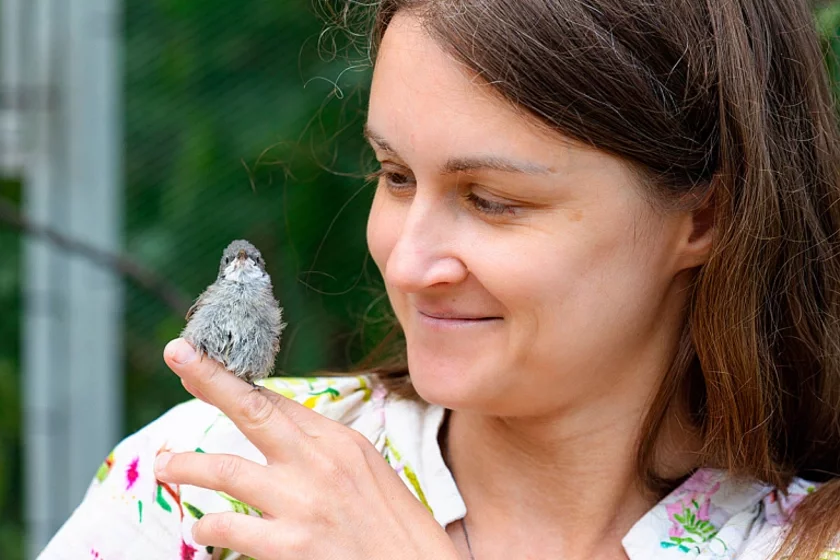
The generosity of some people's souls is truly impressive. Few would dare to turn their own home into a hospital for birds: feeding them live insects, treating them, and re-teaching them to fly, only to release them back into the wild later.
But there is a Minsk resident for whom this has become a life's work.
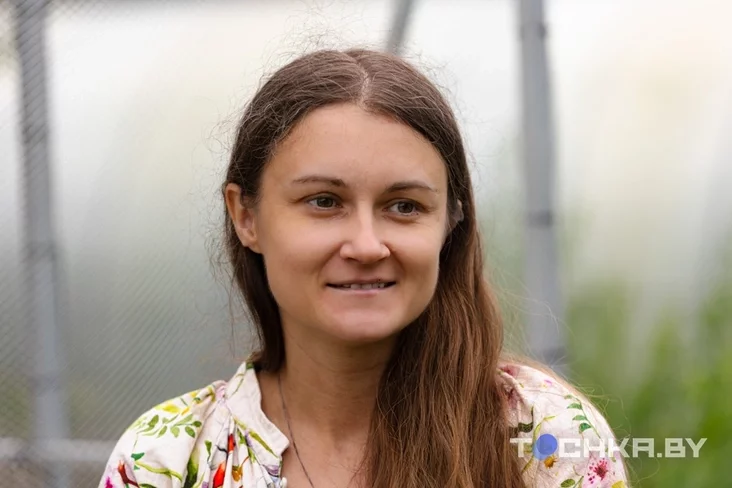
Tochka.by correspondents visited the volunteer Yulia Valovik and her feathered wards, and at the same time learned what it's like to share a life with wild birds.
"Yulia, you're hooked"
The story of the Minsk resident as a rescuer began five years ago in Baranovichi. The family was walking around the city while her husband was busy at work.
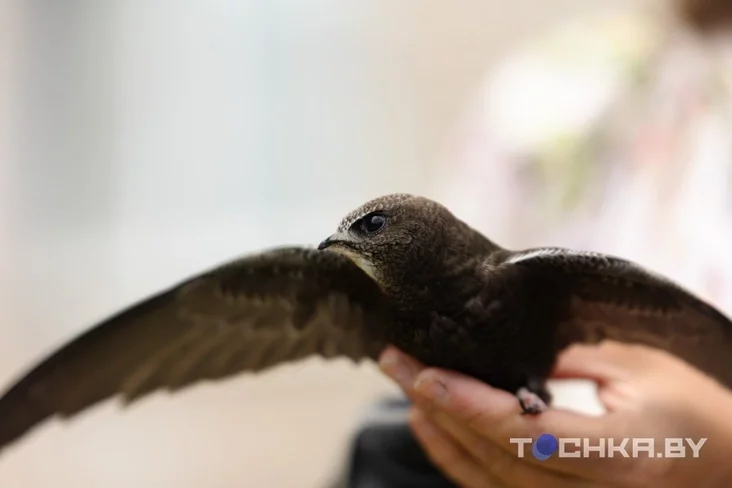
"My son suddenly shouted: 'Mom, there's a pebble moving!' I brushed it off, but he came closer, and there it was — a tiny swiftlet," she recalls.
Yulia couldn't pass by, and it was decided to shelter the chick until it recovered. The girl has been volunteering for about 15 years, but previously only helped homeless cats and dogs.
"I remember, in the 'Zoochance' volunteer chat, they told me: 'Yulia, you're hooked.' At that time, I didn't yet understand the scale of my involvement," she notes.
One of a kind
By education, Yulia is a programmer, though she hardly worked in the IT field, and before maternity leave, she was professionally engaged in child photography. She acquired all her veterinary and biological knowledge from scratch through practice.
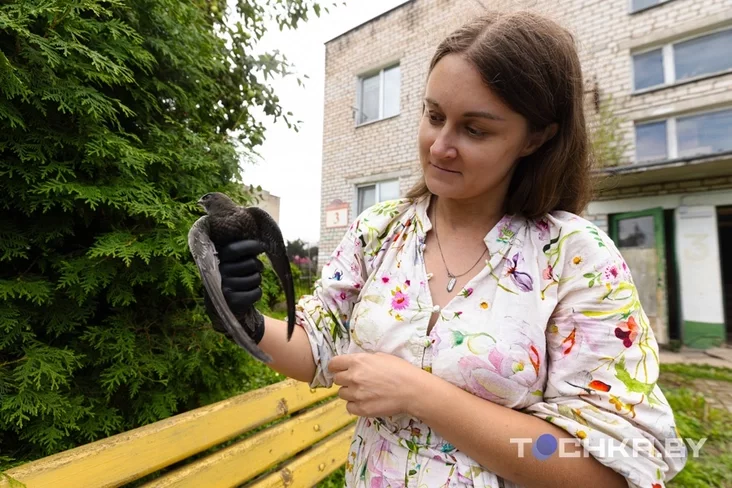
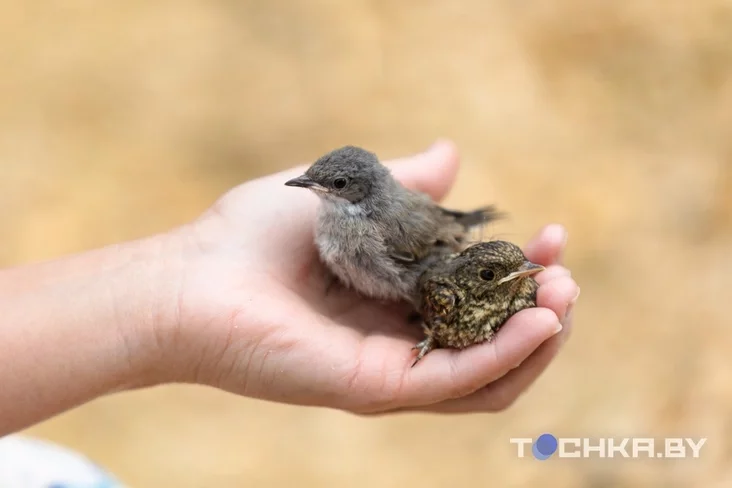
"We cooperate with large aid centers. If a bird of prey comes to me, I transfer it there. But no one else in Belarus rescues small birds — the center simply redirects them to me," explains the interviewee.
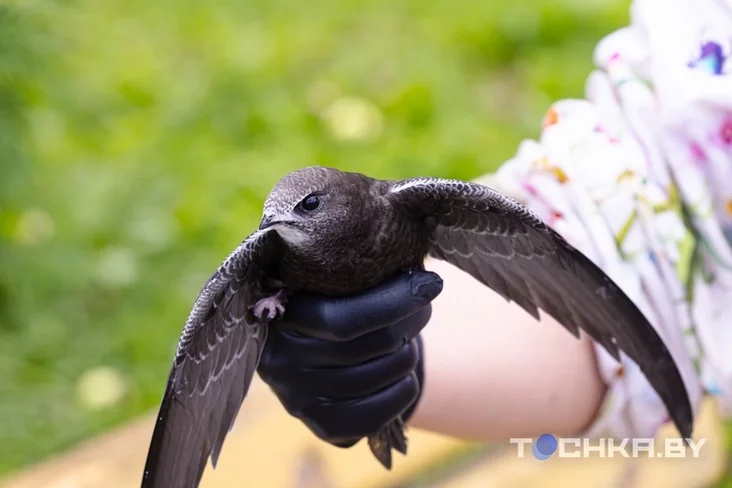
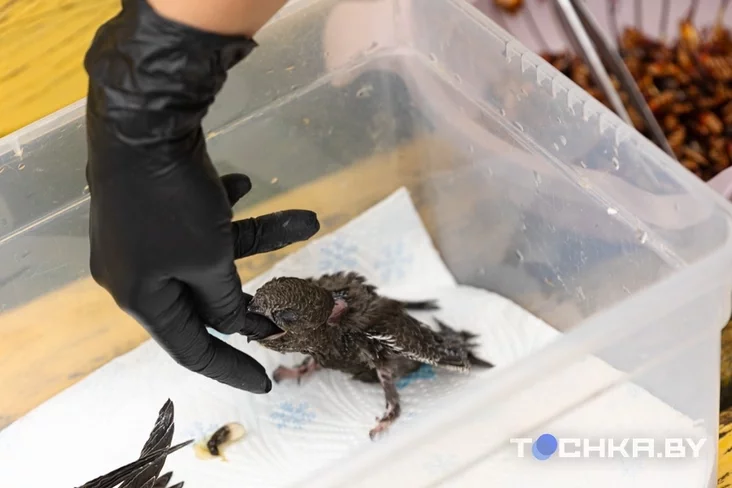
Despite the fact that all kinds of "small fry" birds pass through the Minsk resident's hands, swifts have become her main and conscious love. In the first year, she fostered nine swifts, and right now Yulia is preparing over 50 chicks for their flight south.
The family lives in a private sector on the outskirts of Minsk in a multi-apartment two-story house. Perhaps this particular secluded spot gives the volunteer strength and space for rescuing birds.
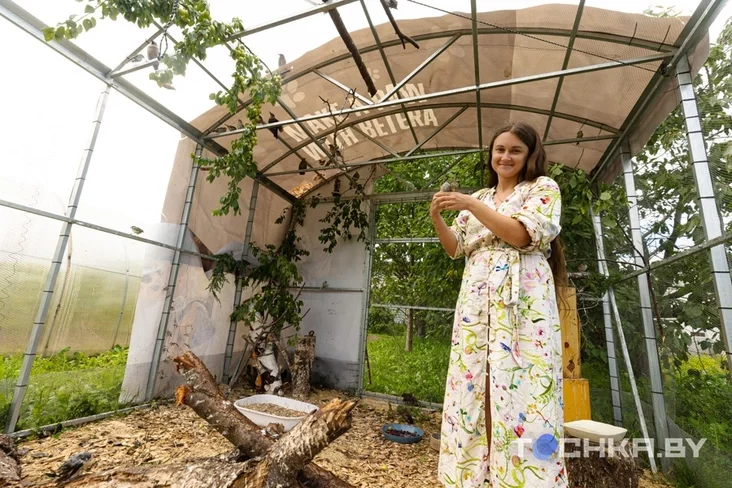
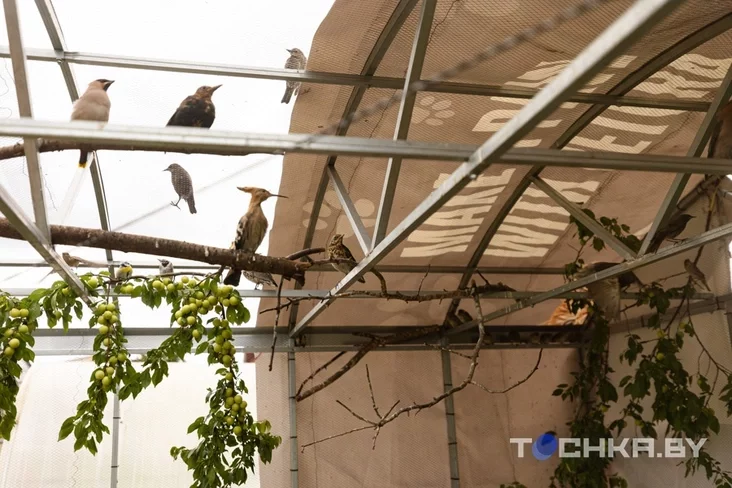
Next to the house, a spacious aviary is equipped — here, various birds recover and interact with each other: from nimble swifts to massive hawfinches. The smallest ones live right in the apartment in cages.
About 200 "patients" per year
The volunteer refuses to keep exact statistics of saved lives — there's simply no time for it. The flow of "patients" during the season resembles a conveyor belt, where every day someone needs to be treated, fed, and released.
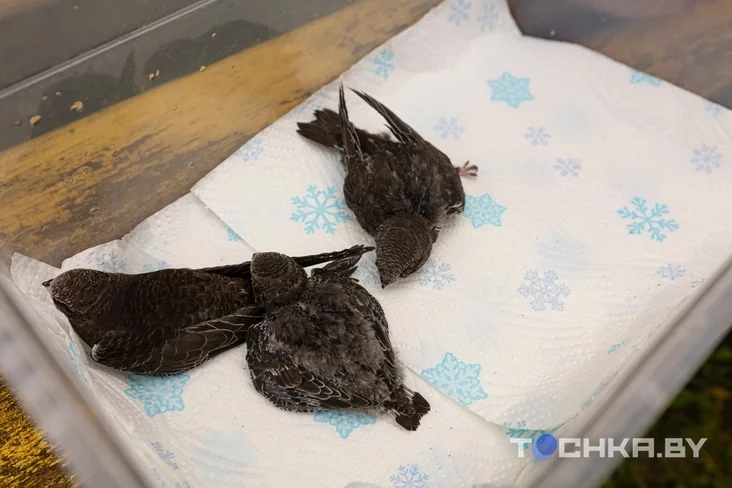
"This year, I have already released about 200 birds into the wild. There were over 60 starlings alone during the summer. I don't even count the rest; it's very difficult," says the interviewee.
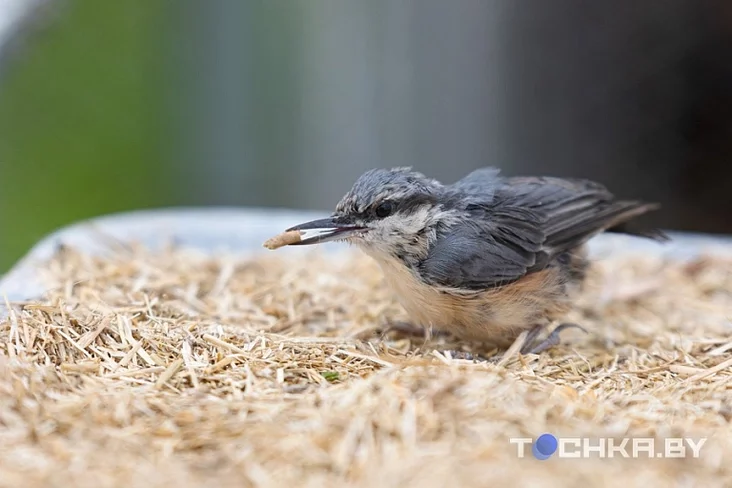
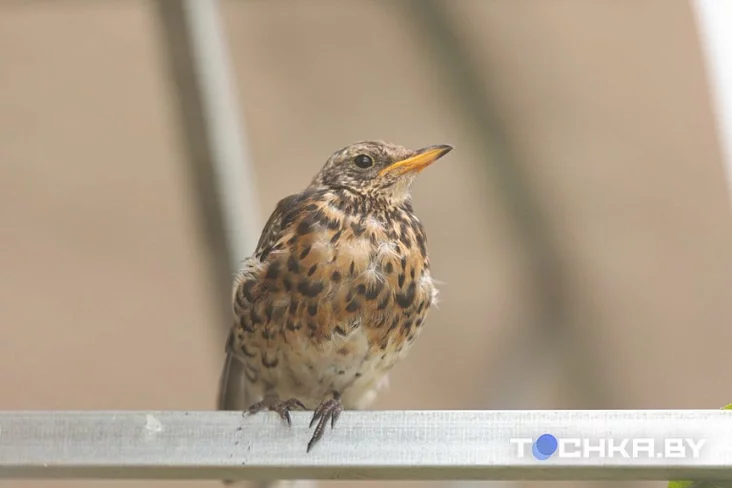
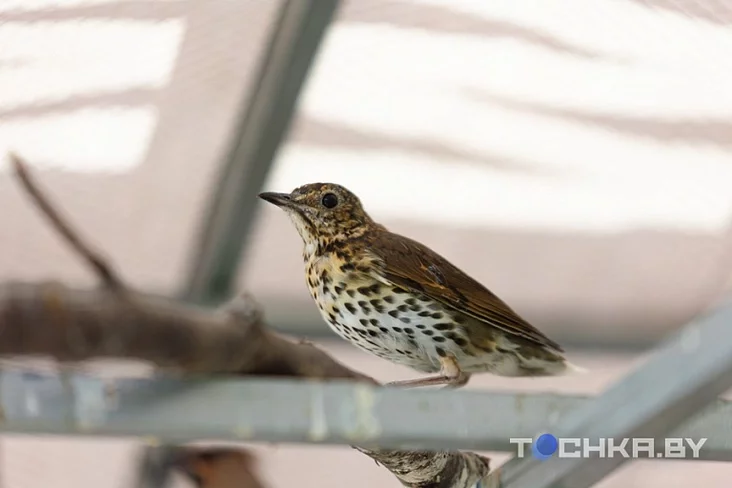
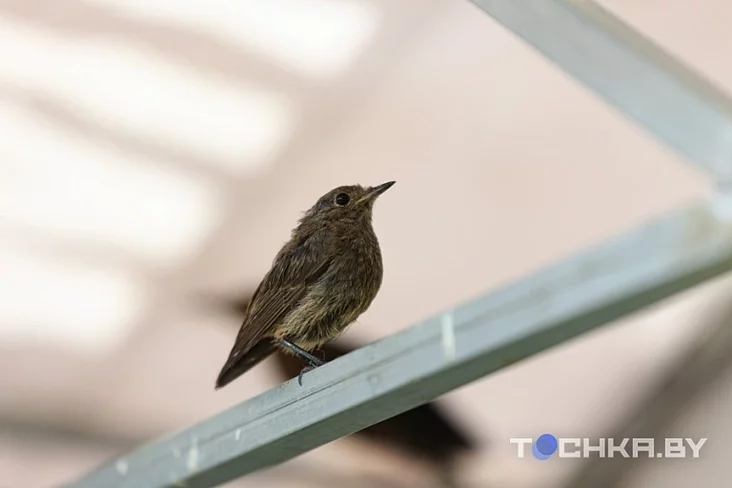
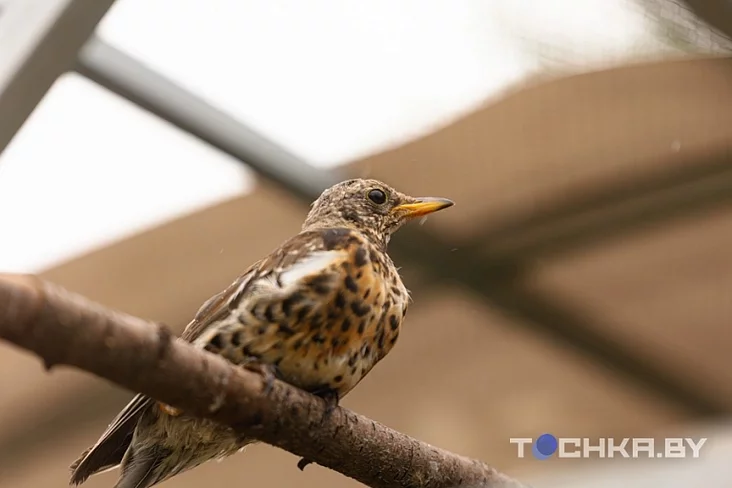
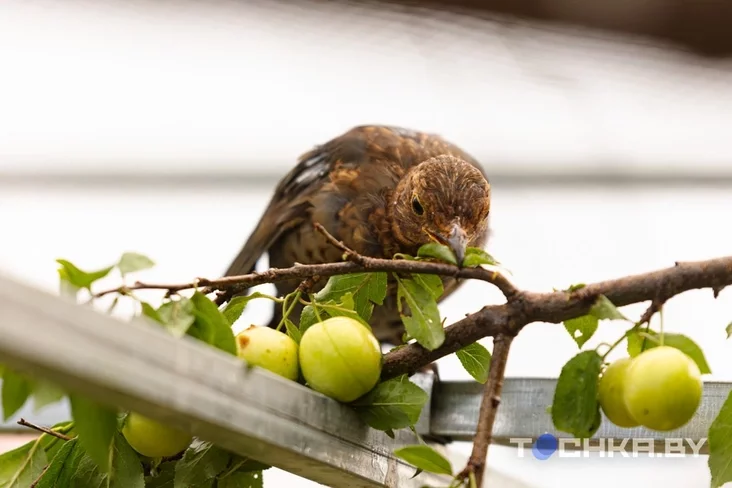
Among those to whom Yulia gave a second chance at life are tits, sparrows, starlings, thrushes, greenfinches, and many other birds, both common and rare for Belarus.
Some wards, due to severe injuries, have transitioned to permanent family members. Many have their own names to which they respond. For example, Yulia has Sonya, a white-bellied swift from the Caucasus, a five-year-old swift named Pilot, and also hawfinches Viktor, Frankie, and Viktoria.
"I also have two hoopoes and two waxwings. Unfortunately, all four have broken wings; they will never be able to fly. But they are fine with us, they have completely adapted to home life," says the interviewee.
The residents require special care and diet — each bird species needs the conditions and food they are accustomed to in the wild.
Bird Alarm Clock
Keeping dozens of birds in a regular three-room apartment is no easy task. Yulia's husband and children (12-year-old Artsiom and 10-year-old Anya) have to put up with the unusual neighborhood.
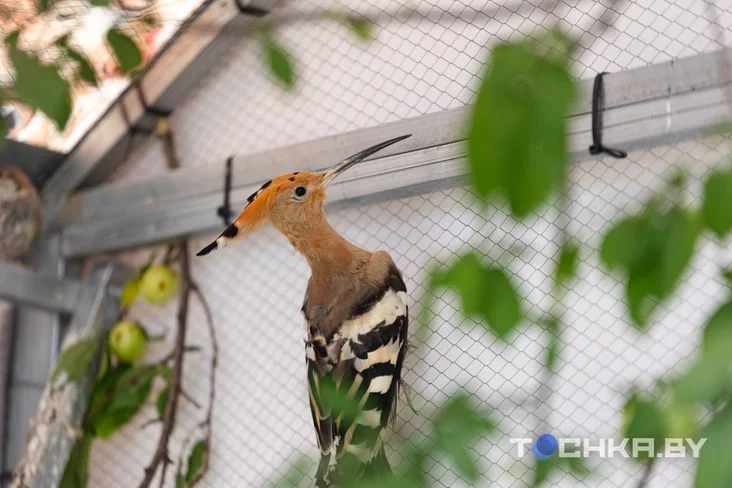
The largest room in the apartment is dedicated to the bird hospital, but during peak season, the wards have to be housed with the children.
"My son and daughter, of course, occasionally complain that the doors have to be closed, preventing the cats from coming in to sleep with them. The tits also bother them: they wake up at five in the morning," she explains.
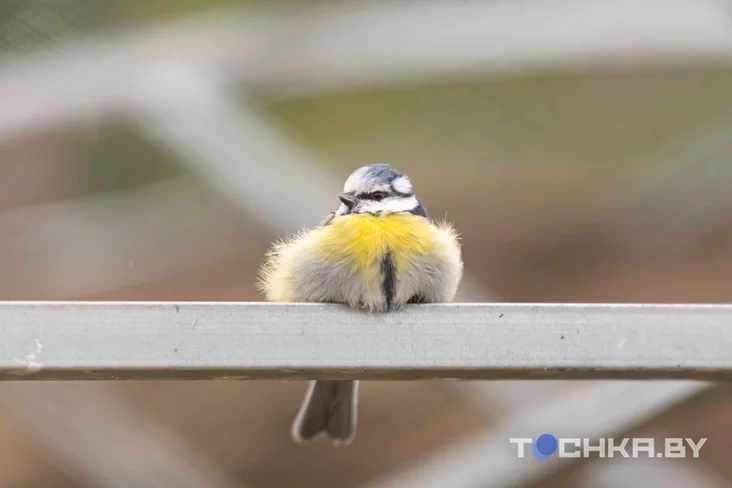
But despite the inconveniences, the children gladly help their mother care for the chicks.
Her son Artsiom, who found the first "patient" five years ago, still regularly brings home birds that need help.
Field Surgery at Home and a Blind Woodpecker
Sometimes dramas worthy of medical TV series unfold in Yulia's apartment. Sometimes she has to fight for a bird's life right in the kitchen, acting according to veterinarians' instructions.
"I have a familiar ornithologist doctor at a vet clinic; we're in touch. But if the doctor isn't available and the bird needs saving here and now — I sew it myself. I have a hawfinch that needed 16 stitches. Its neck was completely torn. I'm still in shock that it survived!" the interviewee recalls.
Another pet with a difficult fate is a female woodpecker named Dasha. She came to Yulia in a terrible state: someone had shot the bird for fun, but fortunately, the bullet passed straight through her head.
One eye had to be surgically removed, and the bird sees nothing with the other. But in the volunteer's apartment, she has already settled in and lives a comfortable life.
In Nature, Only the Strongest Survive
With such a large number of wards, Yulia has not picked up a single bird from the street in five years. "Patients" are brought to the Minsk resident from all over the country by caring people. Because they know that here the birds will be properly cared for.

"People find me through a Telegram channel, plus large volunteer organizations share my contacts. Every year, word of mouth works stronger and stronger. Last year I didn't have such an influx at all, but now they bring all kinds of 'small fry' non-stop," shares the interviewee.
The rescuer regards losses philosophically — in the wild, only the strongest survive. Without this understanding, engaging in the rehabilitation of wild animals is simply impossible.
"Birds don't just lay many eggs for no reason. Tits can have 10-15 eggs in a clutch, and some chicks inevitably die. This is natural selection," muses the volunteer.
And yet, Yulia admits, she endures losses with sadness.
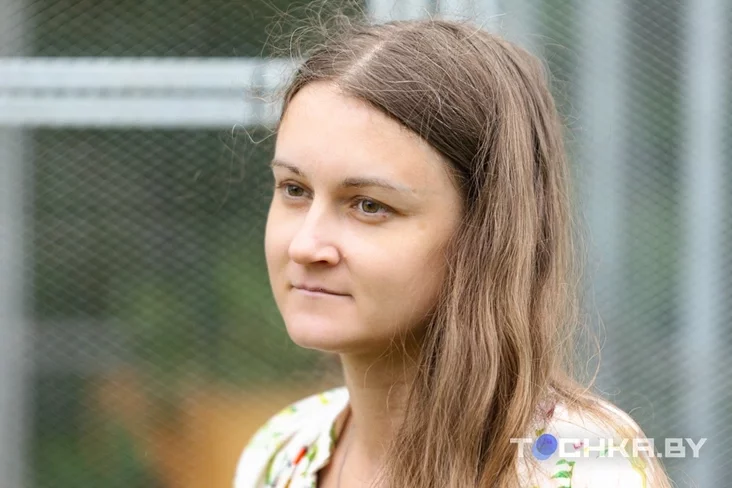
And the birds currently in the outdoor aviary, she proudly calls true resilient ones.
Recently, they have had to endure severe weather challenges — they bravely withstood both hurricane-force winds and prolonged torrential rains.
Bird Hysterics and Treat Lovers
Contrary to stereotypes, birds are very intelligent creatures with complex behaviors, asserts Yulia.
"People usually think birds are stupid, but that's not true. I have a tit that survived cancer. She used to be completely wild, terribly afraid of me. But over time, she understood: these hands don't 'bite'. Now she desperately asks for attention and calls me loudly, demanding to be fed from my hands," says the interviewee.
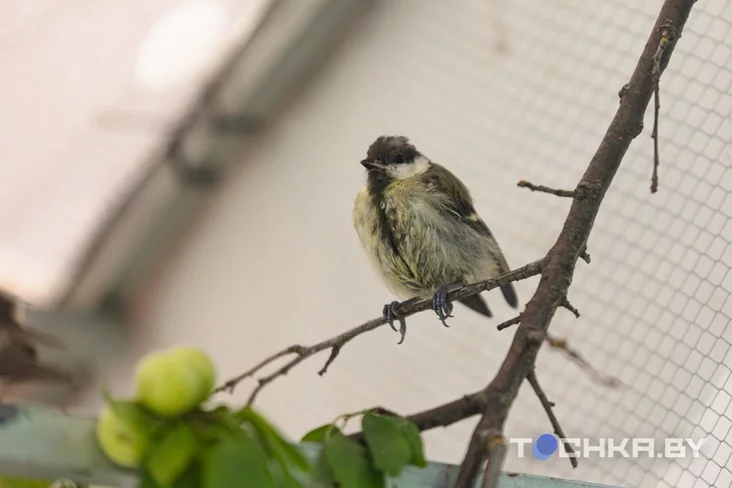
Birds learn quickly and analyze human behavior. They remember footsteps, voices, and instantly understand when their favorite treat is being brought to them.
Over five years of practice, the volunteer has learned to read the characters of her wards like an open book. It turns out that among birds there are also their own introverts, capricious gourmands, and true troublemakers.
"The most capricious in terms of food are swifts. If Pilot, for example, doesn't want to eat, you can't force him. And tits are generally walking psychopaths. If you pick them up, they will frantically scream, struggle, and bite," Yulia shares her observations.
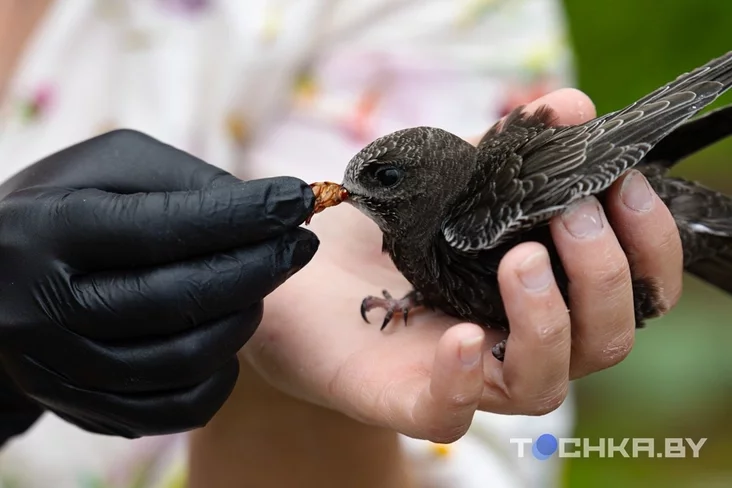
Last spring, the volunteer had to deal with another troublesome bird.
In Loshytski Park, a blue tit encountered a hook with bait left by fishermen and ate it. Luckily, the bird was noticed in time and brought to Yulia, where the hook was successfully removed. But throughout the process, the bird screamed terribly and struggled, complicating the rescue.
Bird "Shawarma"
Yulia was asked what skills she had to learn to care for sick birds.
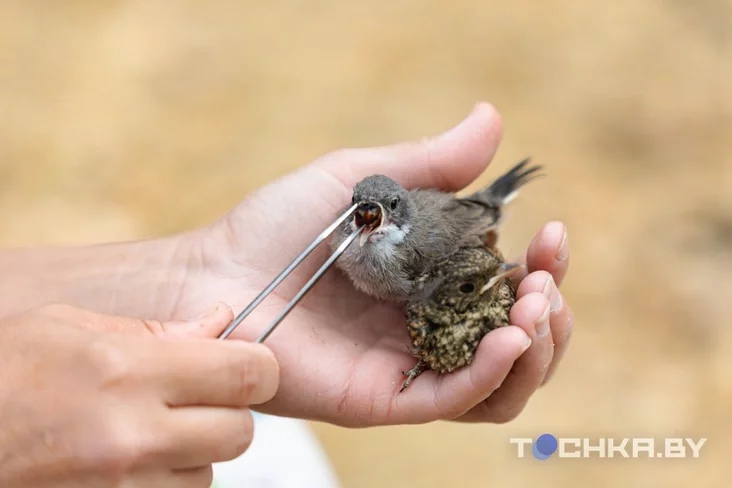
As it turned out, feeding swifts is a separate art form that often frightens newcomers. By themselves, these birds cannot eat from the ground, as in nature they catch midges exclusively in the air. The volunteer has to imitate this process.
"Many fear that birds will have to be force-fed. My 'regulars' already eat from my hands themselves. But with new ones, the process looks like this: we take the bird, carefully wrap it in a towel — like a shawarma, open its beak, and stuff in the food," Yulia shares her life hacks.
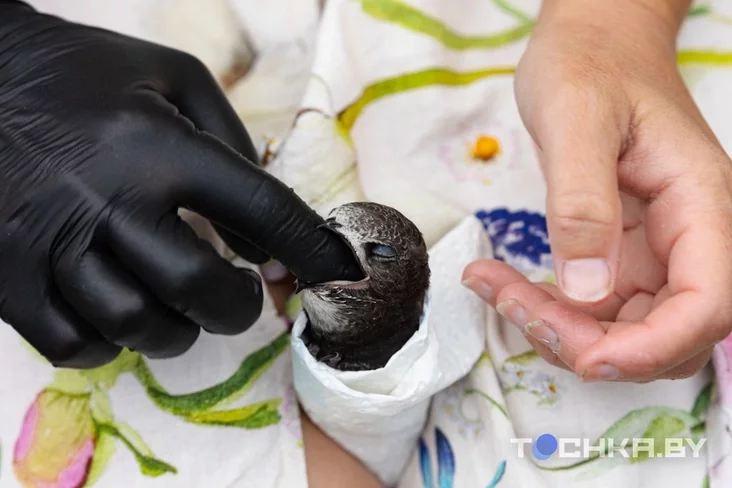
Each such session requires colossal patience and neatness. One careless movement can damage the fragile beak or feathers, so the volunteer acts with the precision of a jeweler.
Winged Boomerang
Many of the birds are not in a hurry to fly away from their rescuer immediately. The house yard has turned into a kind of "refueling station" for recovered birds.

"I release the birds right in the yard, so they know where they can come back for food. For example, the thrushes I released in June kept flying to the feeder for about two more weeks until they fully adapted to wild life," Yulia says with a smile.
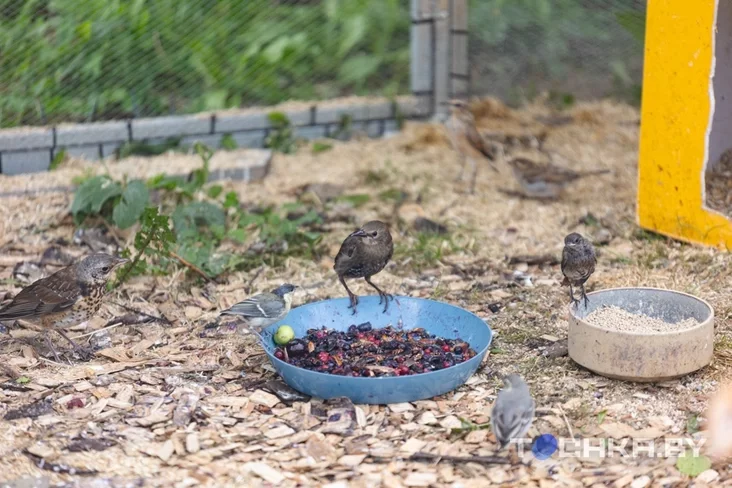
A couple of days ago, the volunteer released a new batch — correspondents spotted several on the aviary roof.
"Drunk" Waxwings
Yulia was asked to debunk a popular stereotype about birds. She unhesitatingly chose the myth of "drunk" waxwings.
It is said that waxwings, after eating fermented berries, get drunk and fall unconscious, and then fly away once sober.
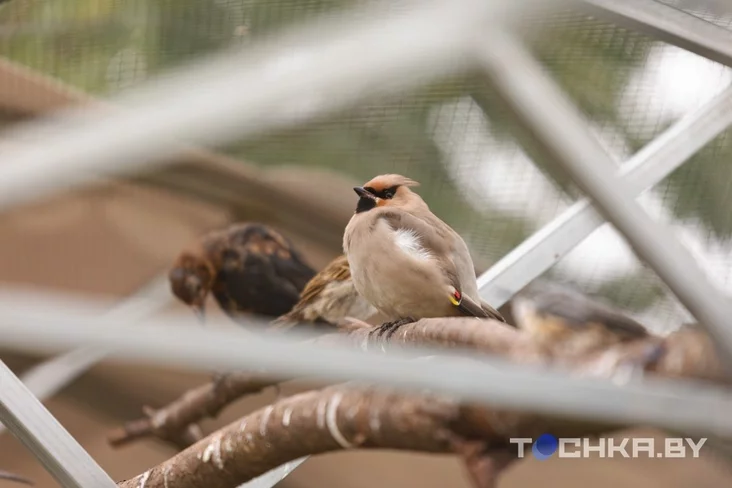
"That's not true; it doesn't work that way in nature. Waxwings are flock birds. If one gets scared and flies into glass, the entire flock will blindly crash after it. What people mistake for 'intoxication' are actually very severe traumatic brain injuries and fractures," explains the volunteer.
Yulia currently has two such waxwings living with her. One of them was actually brought to the rescuer from Kazan. Such birds, unfortunately, will never fly again, but here they can live in safety.
Wild Birds Belong in the Wild
To the question of whether it doesn't hurt her heart to release her wards each time, the volunteer answers firmly and confidently. She believes that a bird that can fly must be free, no exceptions. Only those who wouldn't survive in the wild remain at home.

Periodically, Yulia tries to rehome disabled birds that can live comfortably in a cage to good owners, but often encounters irresponsibility.
"What irritates me most is the phrase: 'Oh, give us the little bird, my child got so used to it!' Parents only think so. In reality, it's impossible to get used to something in two days. It's a momentary whim," shares the interviewee.
Yulia adds that people often don't listen to advice on proper feeding, which causes the birds not to live long. The volunteer has already had to repeatedly rescue her "graduates" from human "care."
Ultimately, a wild bird is not a pet and certainly not a toy, and love for it must begin with understanding, not with selfish desires to acquire an unusual pet.
-
Two days together — and then the train to Vilnius again. How four years of waiting for a Polish residence permit tests a Belarusian couple's marriage
-
In a village near Minsk, there are houses that look like real works of art PHOTOS
-
"The house is mainly inhabited by pensioners, alcoholics." A Homiel resident sells an apartment, not hiding all the nuances


Comments
[Зрэдагавана]