


Zhu Rongji, the man who transformed China into the most powerful trading nation, has died
Zhu Rongji entered history as one of the key economic reformers.
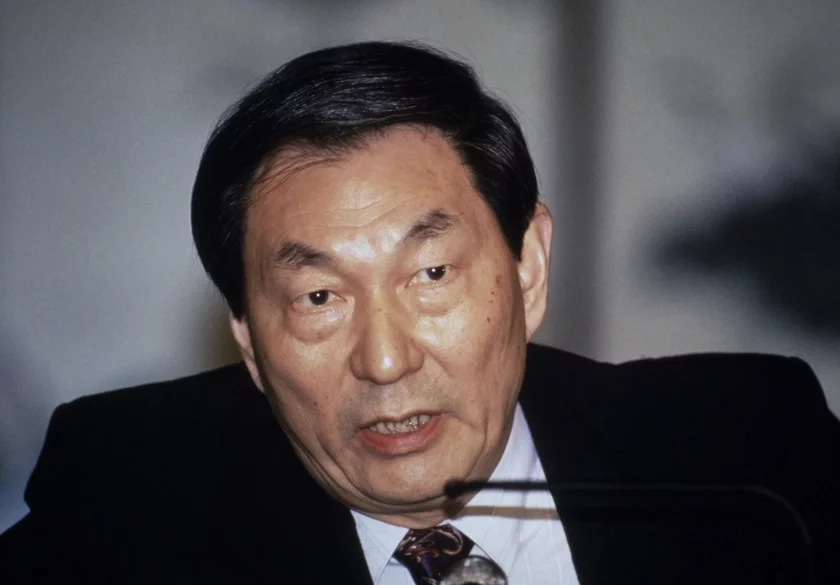
Former Premier of the State Council of the PRC, Zhu Rongji, who led China's integration into global trade and laid the foundation for the country's rapid economic growth, has died at the age of 97, writes the BBC.
From 1998 to 2003, Zhu Rongji held the second most important state position in the country. He played a leading role in China's entry into the World Trade Organization, the opening of Chinese enterprises to the international market, and the attraction of foreign investments.
Zhu Rongji entered history as one of the key economic reformers. It was he who transferred tax powers from local authorities to the central government, liquidated or privatized unprofitable state-owned enterprises, and boosted the development of the private housing market.
Many remember him as a tough and pragmatic leader who achieved double-digit economic growth rates and was not afraid to express his opinion.
In 1998, he stated that China faced many potential crises that could erupt at any moment.
"Ordinary people are dissatisfied with us for many reasons. Especially because of corruption among leaders, the gap between the rich and the poor, and because some local leaders behave like tyrants," he said.
Zhu Rongji called dishonest bankers "idiots" and said that dams and flood control structures along the Yangtze were "unreliable and leaky, like tofu."
Under his leadership, the economy was stabilized and the level of corruption was reduced. China began to transform into an industrial state, shedding its status as a communist outsider.
At the same time, these reforms led to the layoff of 30 million people in five years, and enormous economic growth spawned even greater inequality.
Zhu Rongji was born in the central province of Hunan in 1928 and earned a degree as an electrical engineer before entering public service.
He joined the Communist Party in 1949.
He was subjected to "party purges" twice: the first time for calling Mao Zedong's economic policy irrational, for which he was declared a "right-winger," and the second time during the Cultural Revolution.
After Mao's death, Zhu was reinstated in the party and by 1991 became Vice Premier, responsible for China's economy.
Seven years later, he became Premier.
Zhu led complex negotiations for China's accession to the World Trade Organization in 2002.
Obituaries in Chinese state media describe him as a "time-hardened loyal fighter for the ideals of communism, an outstanding proletarian revolutionary and political figure."


Comments