


Rare mosquitoes have started to appear in Belarus. How dangerous are they?
In Belarus, the so-called tree-hole mosquito — Anopheles plumbeus species — is being encountered. Specialists from the Scientific and Production Center of the National Academy of Sciences of Belarus for Bioresources stated that it is seen in the country, although very rarely: over the past hundred years, it has been recorded several times in the Brest and Gomel regions, and researchers also found it in Mogilev, writes BelTA.
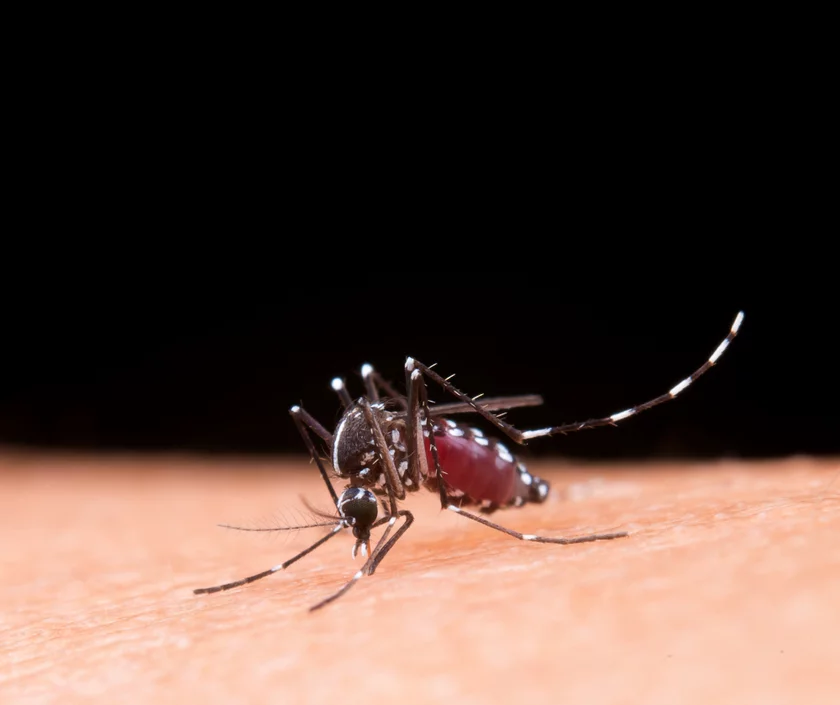
The name "tree-hole" is associated with the mosquito's breeding place. Females lay eggs in tree hollows where water accumulates after rain. However, recently the species has begun to adapt to urban conditions. For example, in Mogilev, larvae were found in an old car tire filled with rainwater.
A peculiarity of this mosquito is that, unlike most malarial mosquitoes in Belarus, it prefers human blood. Therefore, its contact with people may occur more frequently, especially in cities.
Specialists also note another important feature: Anopheles plumbeus has a high susceptibility to the pathogen of tropical malaria — the most dangerous form of this disease. Annually, about ten cases of imported malaria are registered in Belarus.
In addition to malaria pathogens, this mosquito species can carry some arboviruses, including the West Nile fever virus. In other European countries, its association with the transmission of dirofilariasis pathogens has also been recorded, and it has been experimentally confirmed that it can transmit the Japanese encephalitis virus.
At the same time, specialists emphasize that the tree-hole mosquito in Belarus remains a rare species. However, its ability to adapt to urban environments, breed in artificial water bodies, and primarily bite humans increases its potential epidemiological significance.


Comments
А камары для людзей самыя небяспечныя істоты на Зямлі. Нават небяспечней за самаго чалавека.