


People in Northern Chernihiv region: We have no hatred for Belarusians, we are intermingled with them. But we do for Russia
The northern part of the Chernihiv region has officially been considered an active combat zone for the second year. The Snovsk community is located just thirty kilometers from the Russian border and approximately forty from the Belarusian one. Russian drones attack settlements almost daily, destroying homes, enterprises, and cultural sites. Some border villages have already been completely deserted. Journalists from hromadske.ua visited this region and spoke with local people.
The city of Snovsk, home to about eleven thousand people, has long been known as a railway hub. A locomotive depot was built here as early as the 19th century, around which the entire city grew. Educational institutions, a club, and housing for railway workers appeared nearby. The depot was considered one of the oldest in Ukraine and even specialized in repairing historical steam locomotives.
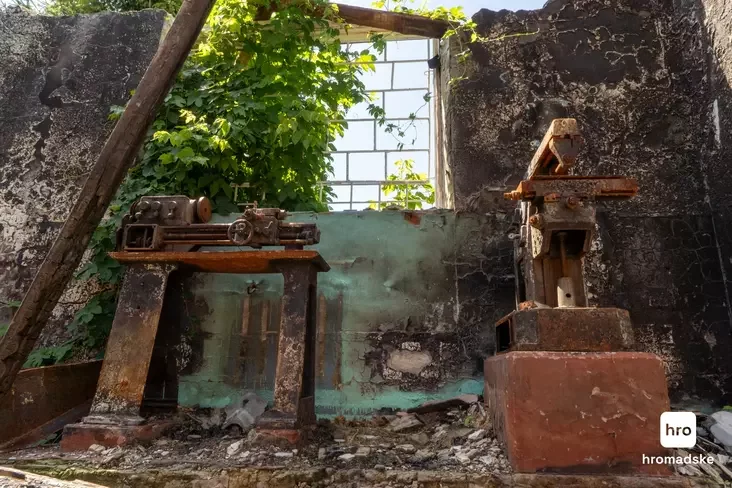
However, since the beginning of 2026, Russian strikes have been systematically destroying this enterprise. Buildings and equipment are being ruined, and with them, an important part of the region's history.
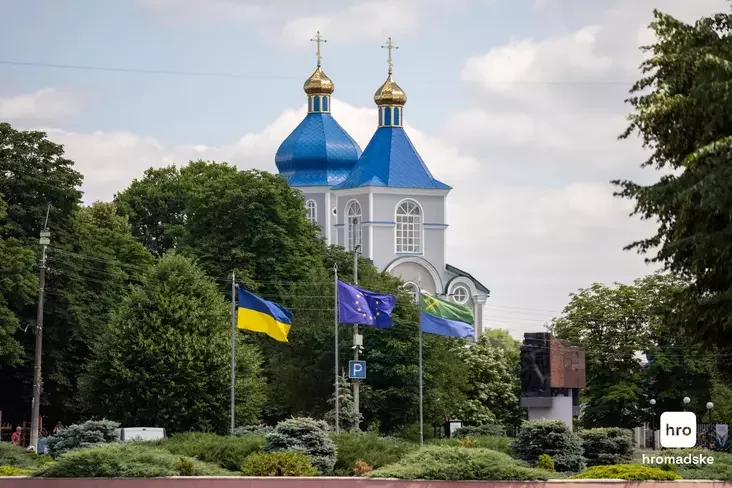
Despite the constant threat, the center of Snovsk continues to live. Shops, a market, a canteen, and administrative institutions are operating. People try to maintain a normal rhythm of life, even if the air raid siren has already become commonplace.
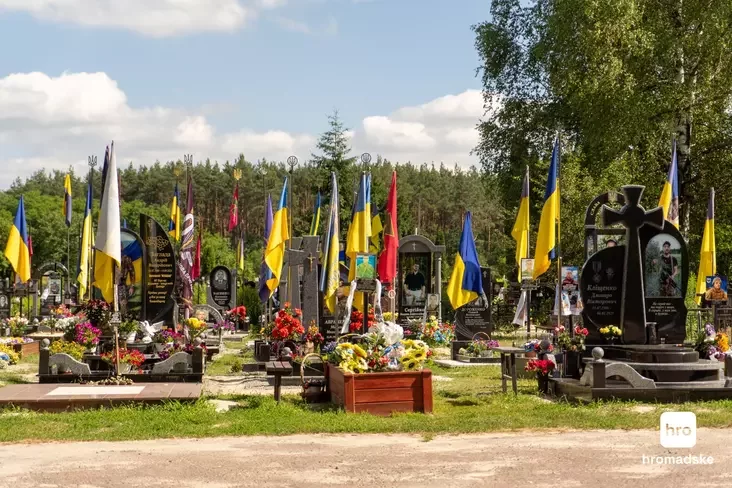
In late May, a Russian drone hit a village cultural center in the village of Snovske. That evening, local residents had gathered there, and children were playing board games.
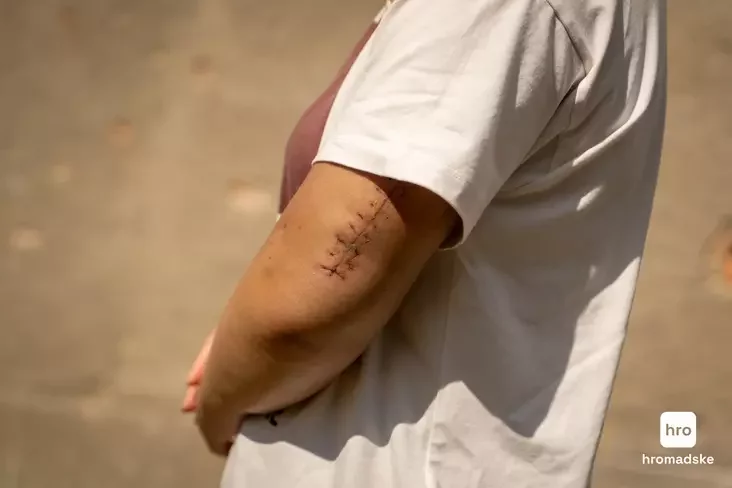
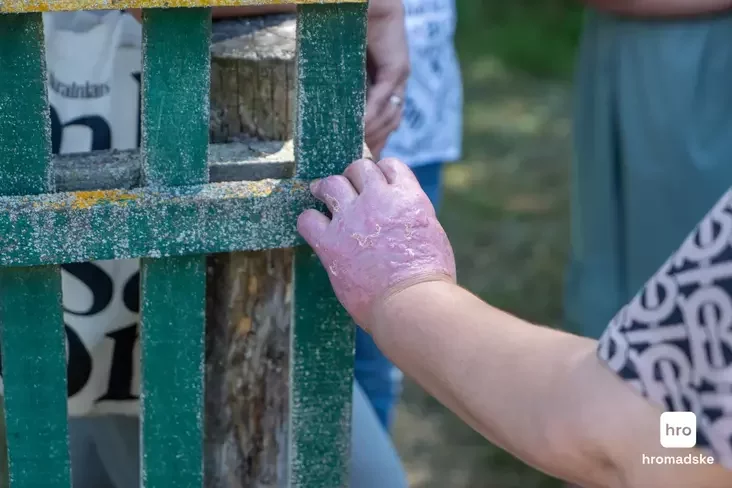
After the explosion, the building immediately caught fire. Several women suffered severe burns to their faces and hands. They were saved by a fifteen-year-old boy who started putting out the fire on the people and helped evacuate the injured.
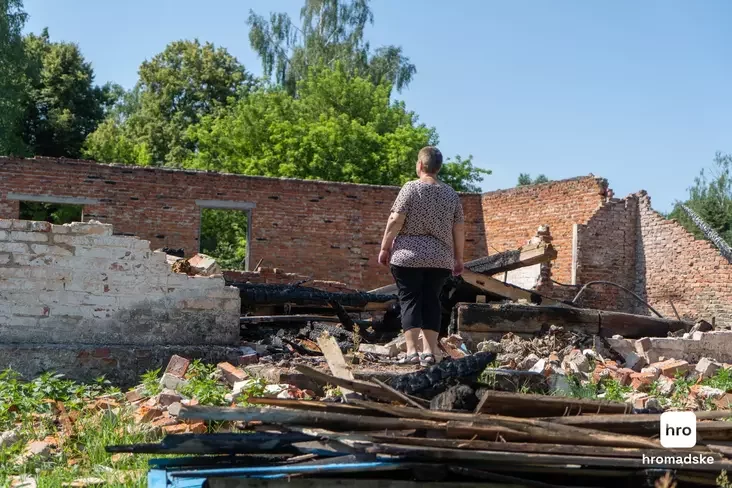
Today, only charred walls remain of the club. Not long ago, it was the main meeting place in the village. After receiving a grant, the institution acquired new computers, furniture, board games, and sports equipment. Even residents of Snovsk came here, as cultural events in the city itself can only be held in shelters.
The injured women say that drones fly over the village daily. They observe people, appearing day and night, so the feeling of constant danger has become part of life.
Natallia Dabnenka, Head of the Culture and Tourism Department of the Snovsk City Council, believes that along with homes and clubs, the unique cultural heritage of the region is disappearing.
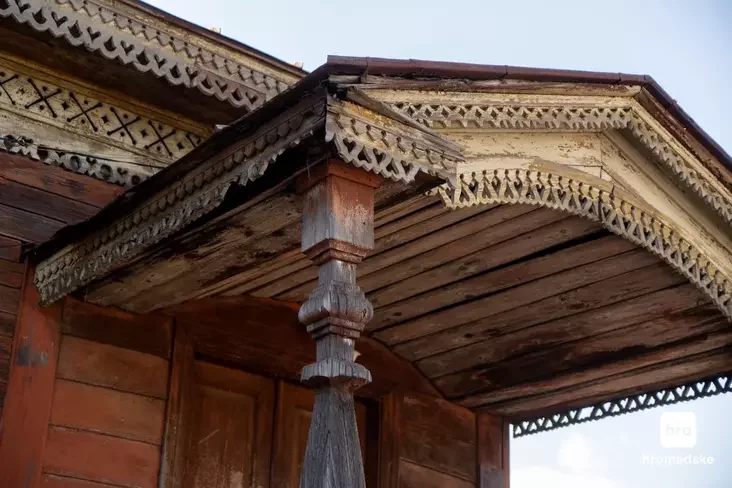
In border villages, there were houses with characteristic wooden carved decorations, created by local craftsmen in the middle of the last century. Now many of these buildings have burned down.
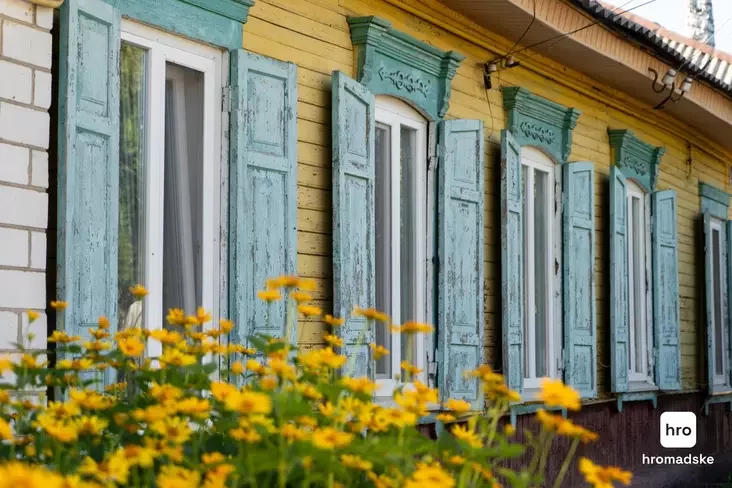
Another loss is local dialects. Almost every village had its own speech peculiarities, in which Ukrainian, Belarusian, and other linguistic elements intertwined. After the evacuation of people, these dialects are gradually disappearing.
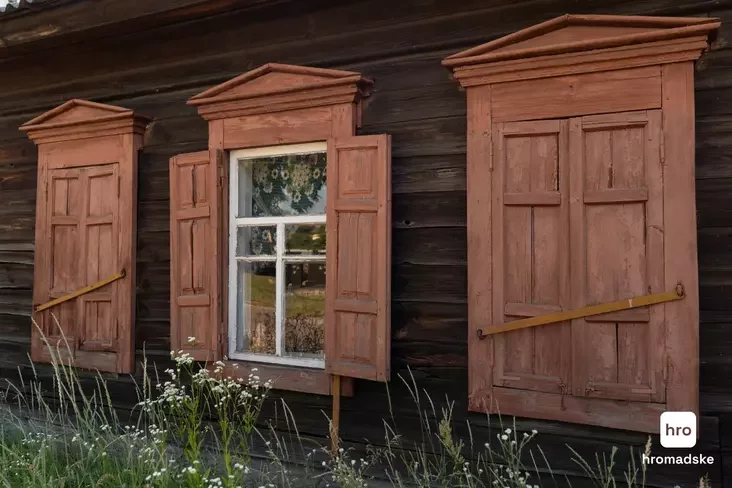
Along with the language, local traditions, crafts, and culinary customs, which were passed down through generations, are also fading away.
"In Klyusy, for instance, the language was neither Russian, nor Ukrainian, nor Belarusian. Something in between all languages. But it could be understood. But if you go to Smach, you'll have to think long about what they're saying. For example, a man from our Hіrsk, who used to work in culture, and now in Chernihiv, came to me. And he already speaks differently... Traditions are disappearing: for example, somewhere they smoked fish in a special way. Residents have moved out, they might take the knowledge with them, but it will be different fish, different conditions," says Natallia Dabnenka, Head of the Culture and Tourism Department of the Snovsk City Council.
However, as the head of the Snovsk community, Oleksandr Medvediev, says, most residents have not left the district. Part of the population has simply moved to villages further away from the border.
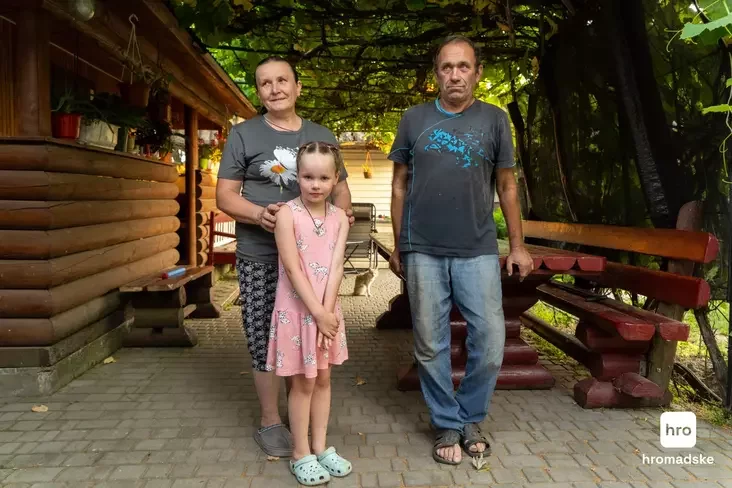
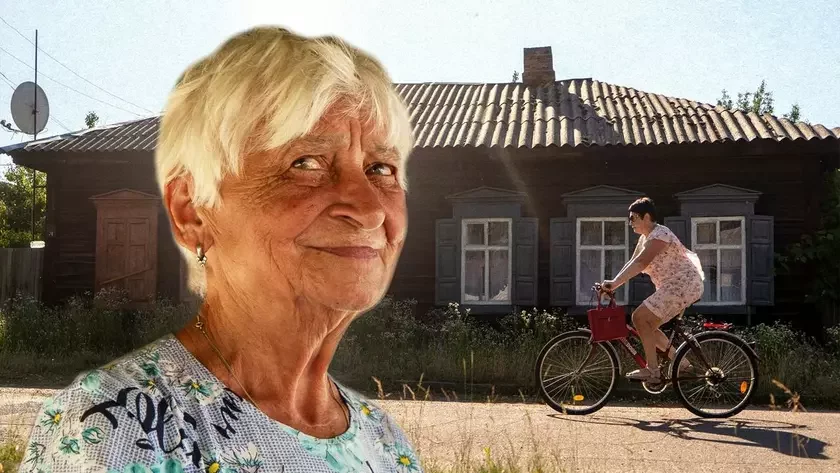
At the same time, people remain even in the most dangerous settlements. Elderly residents continue to ride bicycles, tend gardens, prepare firewood, paint bus stops, and maintain wells. They are not going to leave their homes, despite the constant threat.
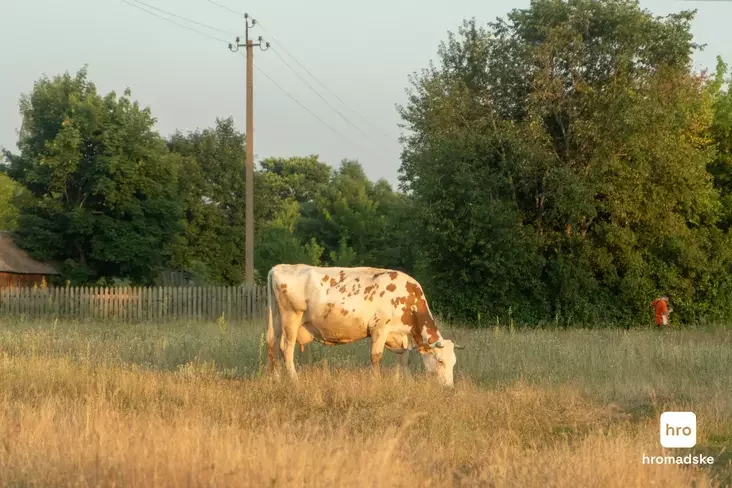
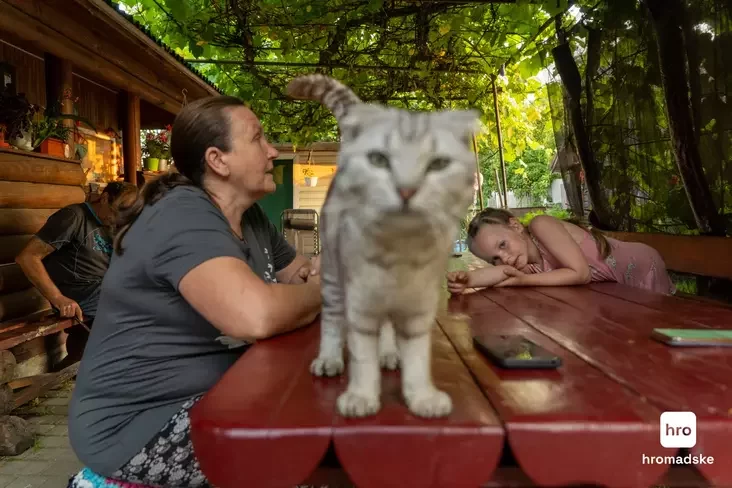
The destruction of enterprises leads to rising unemployment. The railway and the local food production plant, which produced over a hundred types of confectionery, were particularly hard hit. Nevertheless, music and sports schools, an administrative service center, and children's sections continue to operate in Snovsk. Local authorities are striving to preserve at least part of normal life.
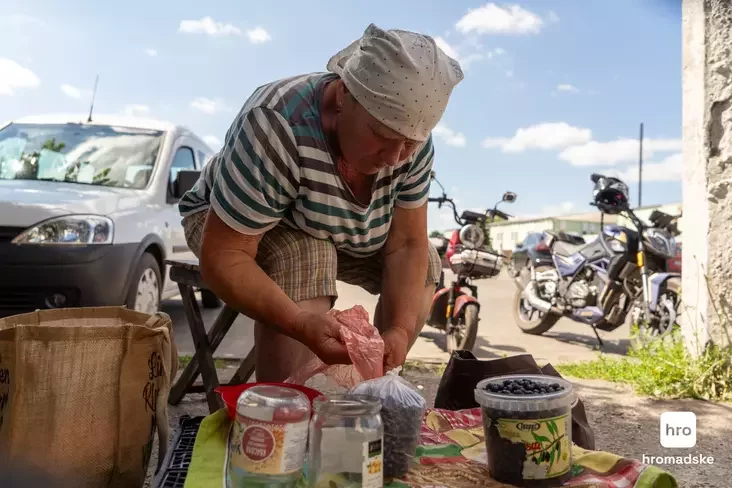
In summer, many residents earn extra money by selling blueberries and mushrooms. At the market, conversations often turn to Belarus.
"We always lived at the junction of borders. There was a friendship monument. Called 'Three Sisters'," says a talkative woman in a headscarf with a bucket of blueberries. "And we visited each other, married. Some have a mother in Belarus, some have children, in-laws, friends. We have no hatred for Belarusians, because we are all relatives, intermingled. For Russia, we do, we don't communicate with relatives from there."
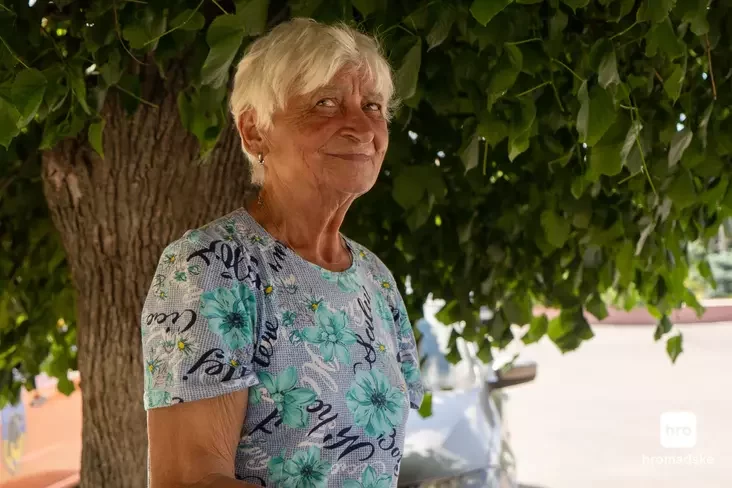
Another woman, with completely gray hair, introduces herself as Nadiya (Nadezhda) and adds:
"I have two daughters in Belarus. Spiritually, they are with us, they know everything that is happening here. One sorrow is that I haven't seen them since January 2024, when they last visited. I miss them and my grandchildren... My grandpa and I won't reach them: I am 79, he is 84. I don't know when we'll see each other. Maybe after the war. I'm worried that Belarus won't go to war against us, because then my daughters won't come. Ukrainians won't accept them."
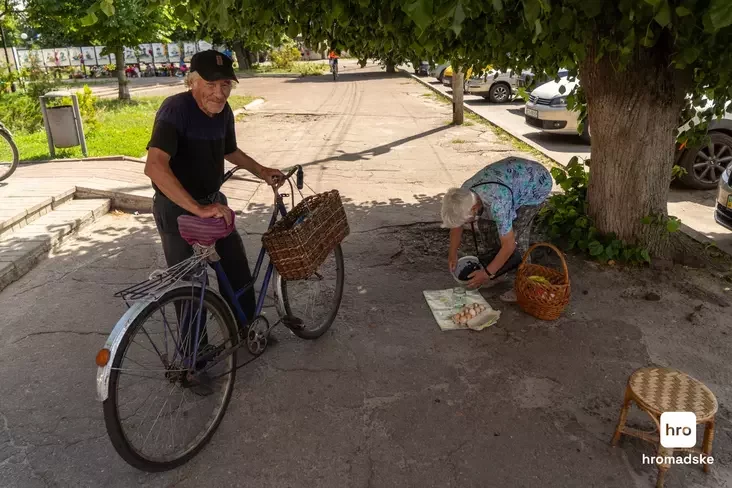
"What's the problem," a man laughs, leaning on his bicycle, "people from Belarus fly to Turkey, from there to Poland, and from there they travel to Ukraine to visit relatives. My neighbors have already done that twice during the war in Snovsk."


"They see Belarus as part of Russia." What the rise of "Alternative for Germany" means, how far it can go, and how Belarusians should position themselves

"They see Belarus as part of Russia." What the rise of "Alternative for Germany" means, how far it can go, and how Belarusians should position themselves


"My son's phone had a Russian flag and coat of arms sticker. That's where it all started." The father of a Baranavichy schoolboy told how his son was bullied by classmates


Comments