


Monet Couldn't Even Dream Of This. In an arboretum near Narach, you can see a pond with water lilies and over 500 plants
On the isthmus between Lake Narach and Lake Miastra lies an oasis where you can escape the hustle and bustle and heat in the shade of sprawling spruce trees, feed fish with biscuits from a picturesque bridge that seems to have stepped out of a Claude Monet painting, and see more than 500 plant species, including wonderfully rare ones. This is the Dendrological Garden of the Narachansky National Park. Times.by walked through it with the garden's manager, Tatsiana Stankevich, who cares deeply for every seedling and recognizes the local birds by their calls.
Blooming in this garden doesn't stop all season: peonies and roses bloom after lilacs and rhododendrons, and a little later you can admire luxurious dahlias.
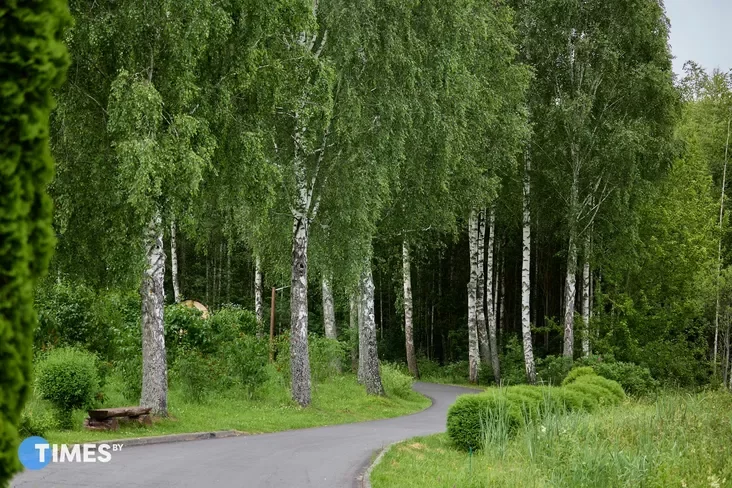
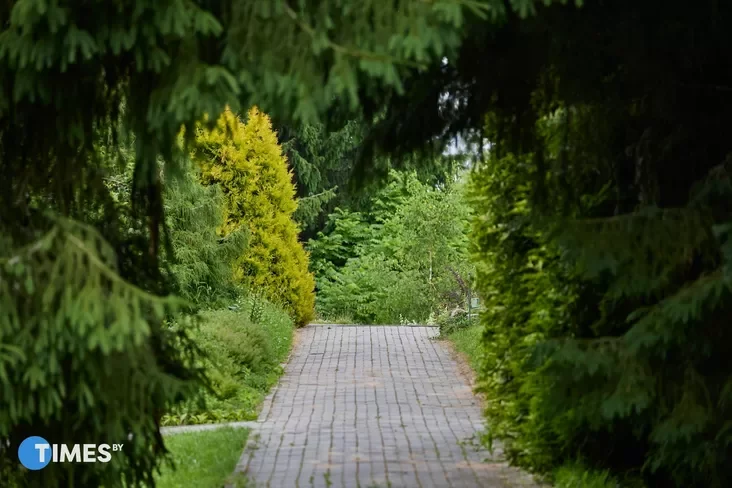
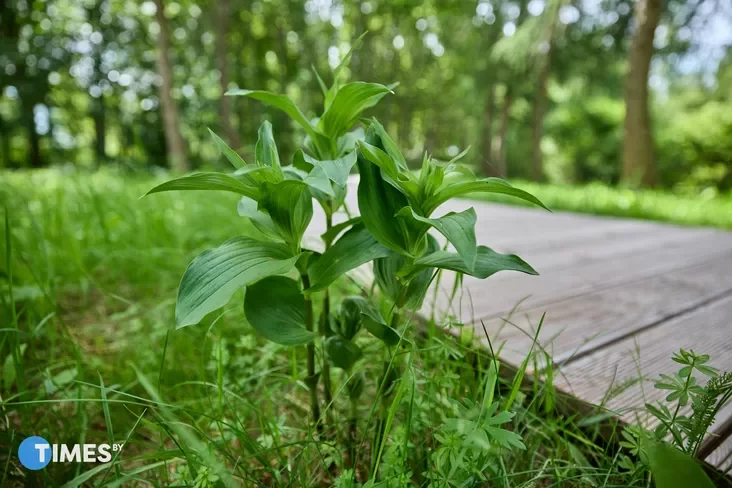
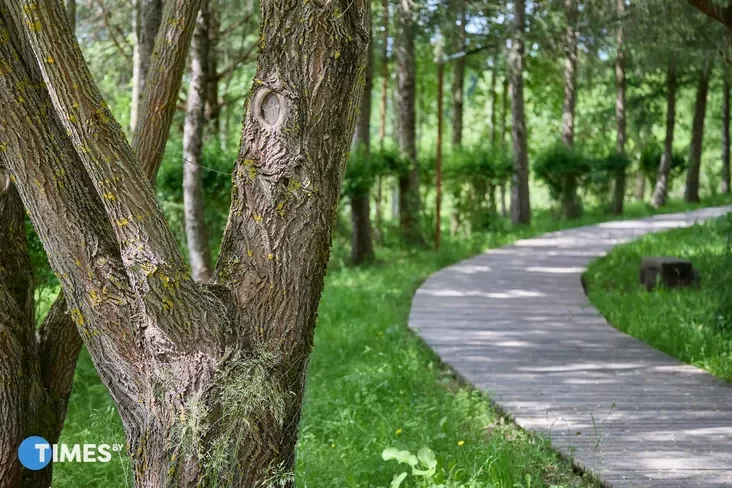
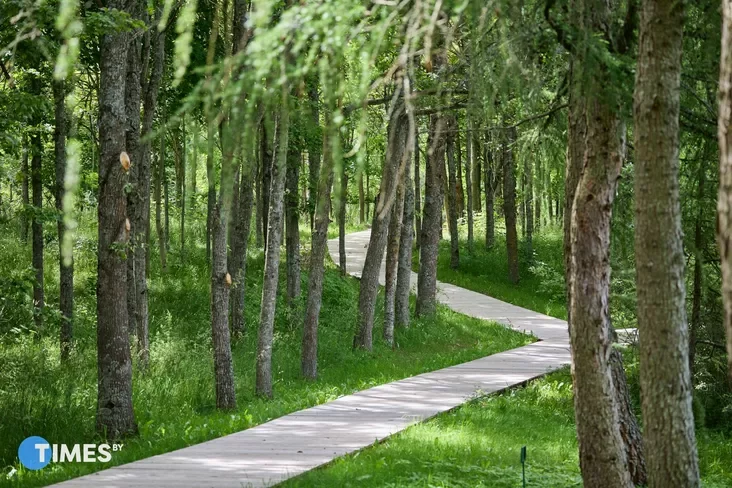
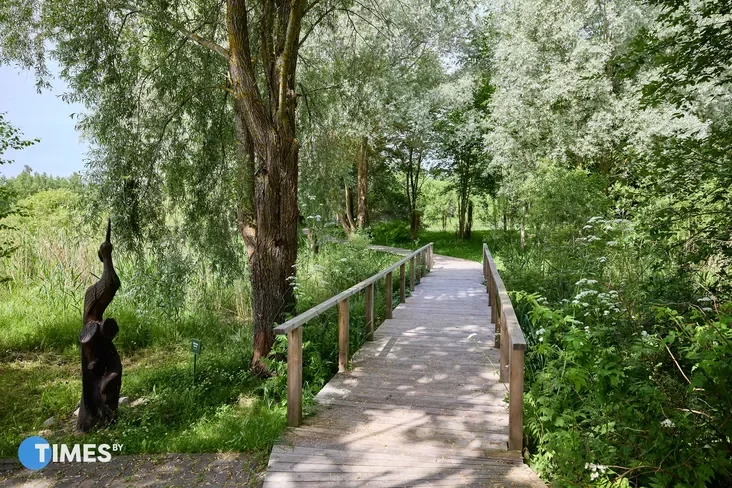
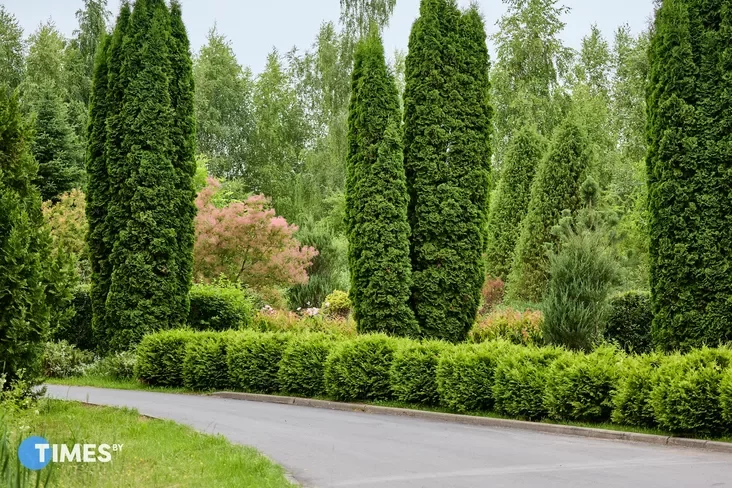
The Dendrological Garden occupies a significant territory — 16 hectares. Tatsiana jokes that it offers the opportunity to travel to all continents without visas: here are plants from different corners of the world — from Central Asia to North America.
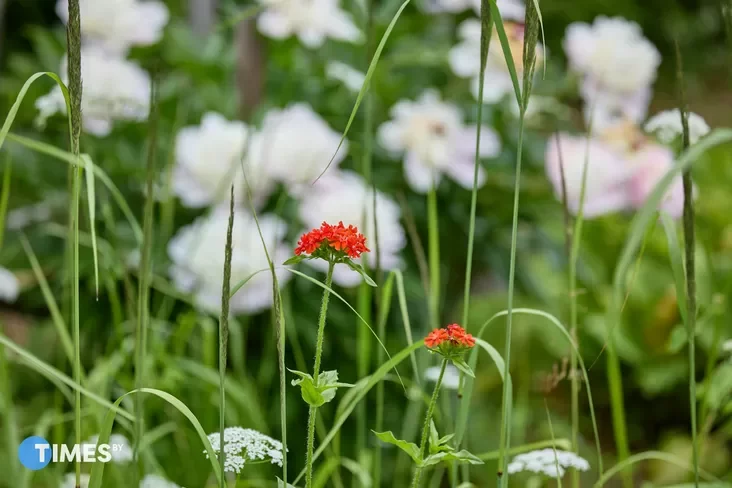
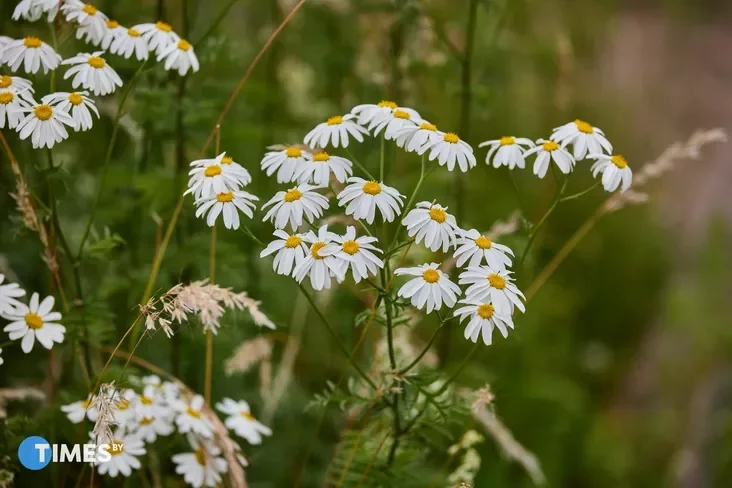
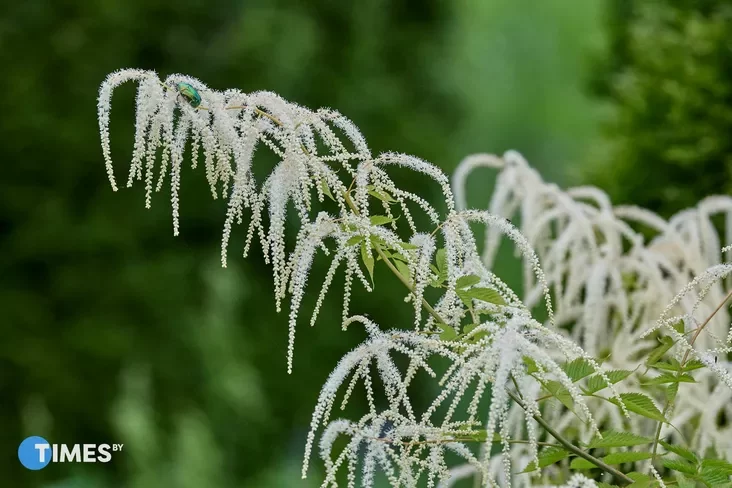
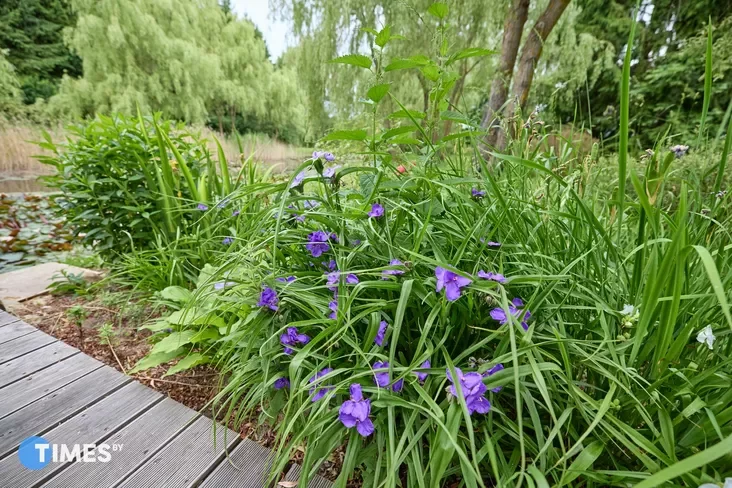
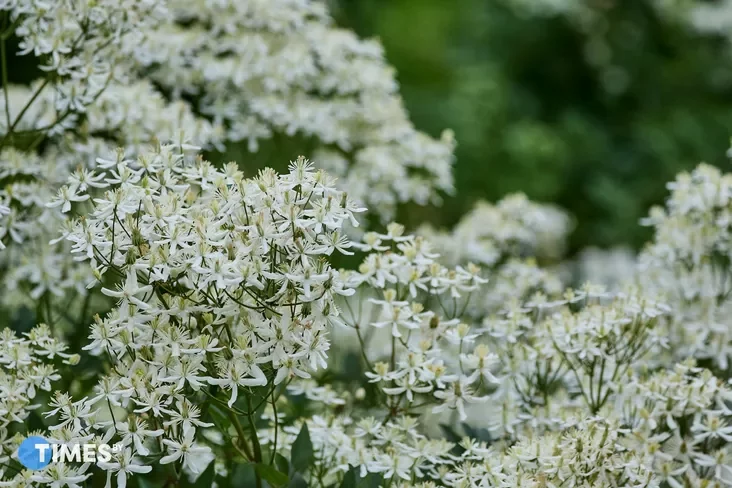
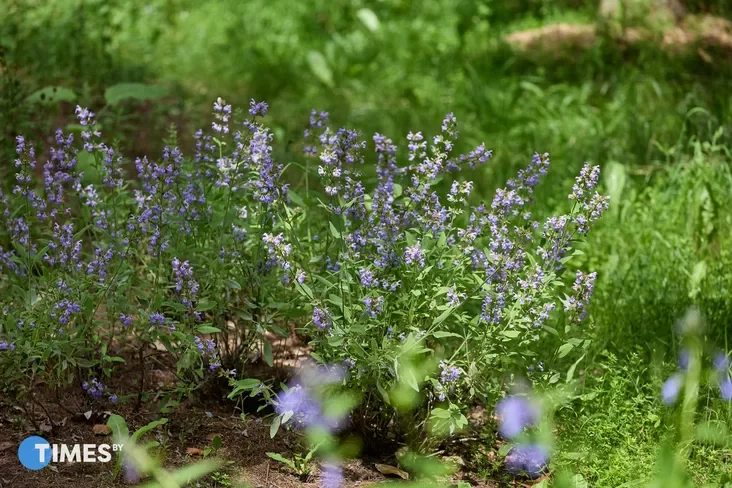
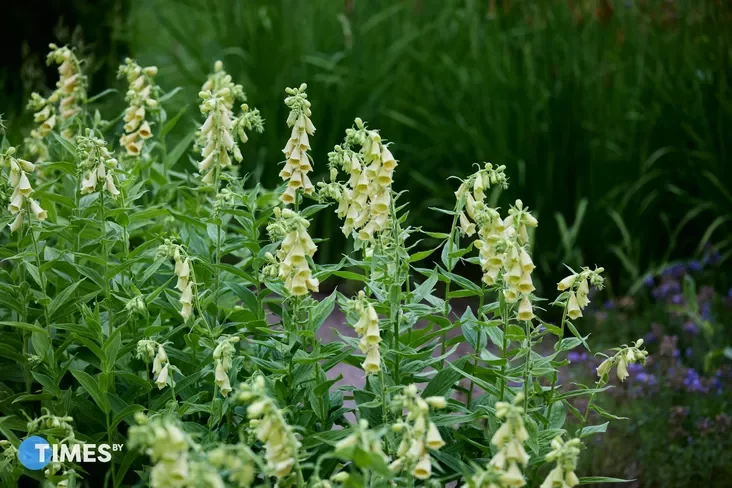
"Our arboretum is 24 years old. When it was created, the natural relief and ecosystems that had been here since ancient times were preserved: oak forest and spruce forest, swamp and pond. Exotic plants were planted alongside "local residents," which is why everything in the garden blends so harmoniously and naturally," says Tatsiana Stankevich.
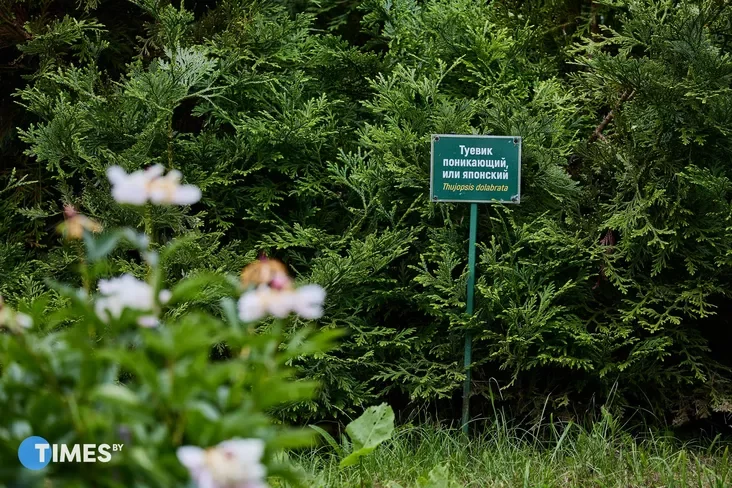
The air is filled with the intoxicating scent of blooming privet, and the protected silence is broken only by the chirping of birds. A true reset after a noisy city and a work week — especially for those who feel not at all like a "magical beauty bush" (Kolkwitzia amabilis) but rather like a "drooping hiba cypress" (Thujopsis dolabrata) or a "dog rose" (Rosa canina).
There aren't many tourists here.
"On the one hand, we lack proper marketing," Tatsiana admits. "But on the other, I can't imagine a flood of people here. Solitude, peace — that's part of our concept."

Photo: Aliaksei Matsiushkou, Times.by
The manager says there are things that will always be unacceptable to her, even if they might attract guests. For example, noisy mass events or children's rides.
"Children need not only entertainment but also spiritual nourishment," Tatsiana is convinced. "To tell them that the world around us is wonderful but fragile: to preserve it, one must work and treat everything around us with care. And in our age of gadgets, it's important to instill patience and concentration in children. For example, suggest they try walking all the paths of the garden, several kilometers long, looking not at their phone, but at the beauty around them."
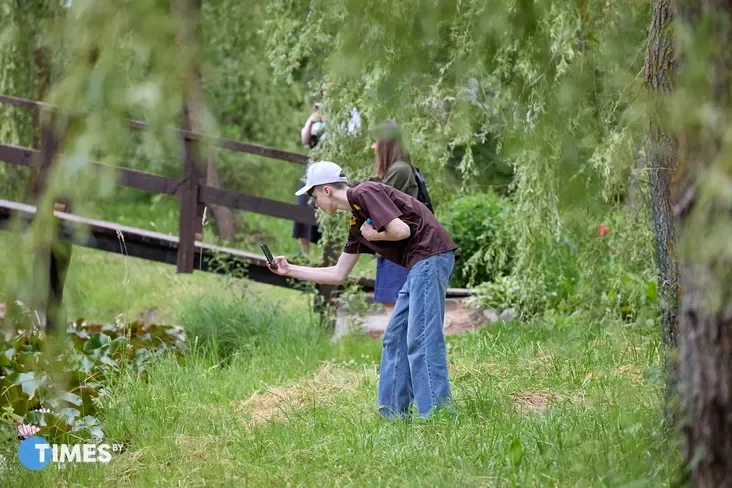
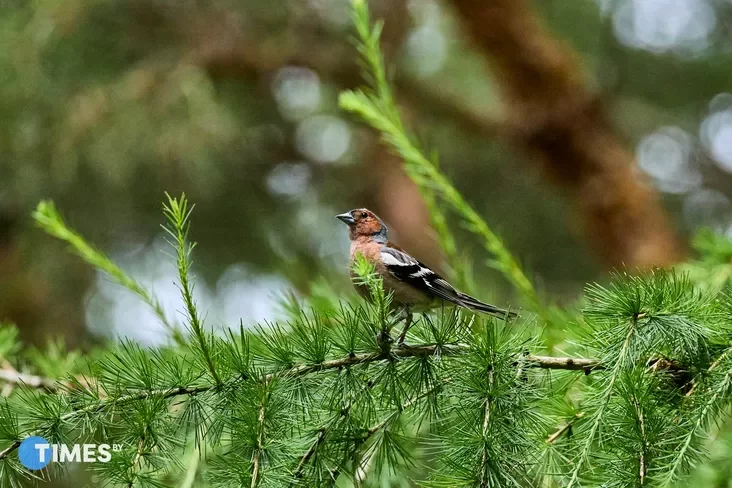
Animals and over 50 bird species live in the arboretum, for whom the garden is home. There are artificial nests, tree hollows, and birdhouses on the trees to make them feel comfortable here.
According to Tatsiana, birds help fight insects that harm plants, and they also predict the weather:
"For example, a wood warbler is now singing its heart out. It's sensitive to changes in humidity and atmospheric pressure, so it sings differently depending on what kind of day awaits us — sunny or rainy."
Another native and very useful inhabitant of the arboretum is the beaver. More precisely — beavers: there are many of them here, living in a large family. From the swamp, where we see a lodge that Tatsiana calls a beaver's hacienda, to the pond, there is a deep rut. This is not the work of human hands, but of beaver paws. The animals have already learned the arboretum's work schedule and, as soon as the caretaker locks the gates, they waddle along their worn path to swim in the pond.
Tatsiana says that the beavers are calm and intelligent, causing no harm to their neighbors: neither muskrats, nor ducks, nor, surprisingly, trees. Collection trees located near the swamp are protected with a net just in case, but generally, beavers cause no damage. Perhaps that's because no one interferes with the life of the swamp, which is their home, suggests the interviewee.
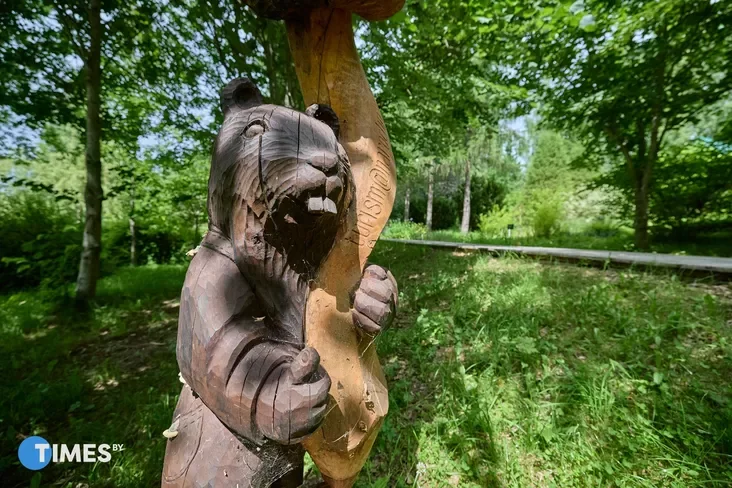
"And they also greatly help us with watering. They sense when there will be a dry summer, build dams, and raise the groundwater level on the garden's territory. We survived the drought without losses partly thanks to the beavers — we must give them credit!" Tatsiana smiles.
Such tender relations to all living things, and especially to the world of plants, developed in Tatsiana during her childhood thanks to her grandfather, a forester who fought in World War II. He often repeated: "During the war, the forest saved us. It will feed and save you too, the next generation."
Tatsiana absorbed her grandfather's knowledge, walked with him in forests and swamps, took botany books with her, and searched in nature for Red Book plants that she had previously only seen in pictures. At that time, she couldn't imagine that years later she would be planting these unique species herself.
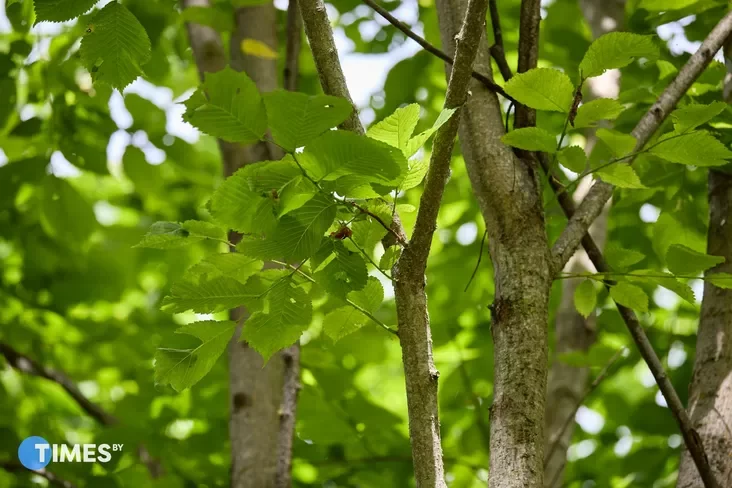

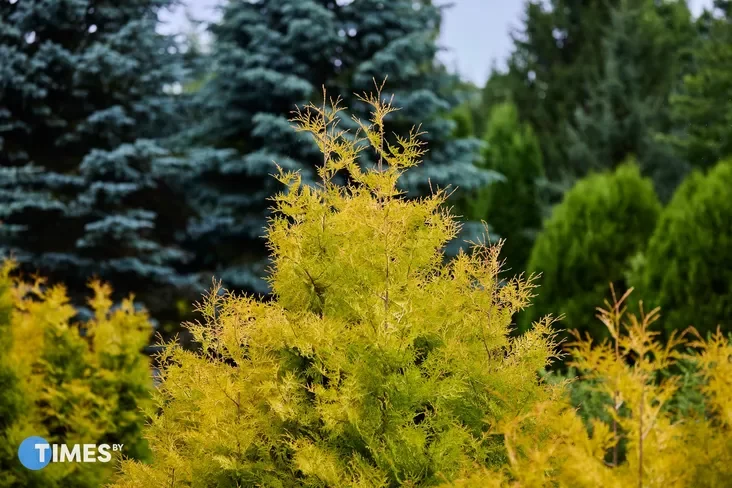
"I've been here since 2012," the manager says. "I worry about every plant, but especially those that are unique. We're afraid to even breathe on them! And we don't even label them, because, unfortunately, we've had thefts — it turns out there are botanists who are that obsessed."
For the staff, each such incident is a huge disappointment and loss: it's unknown whether the plant, which was nurtured and cared for here, will survive after this. And it's sad that one person's selfishness negates all efforts.
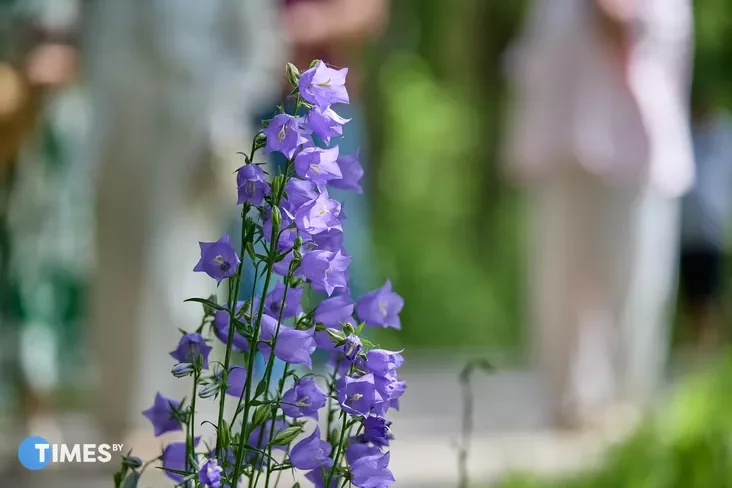
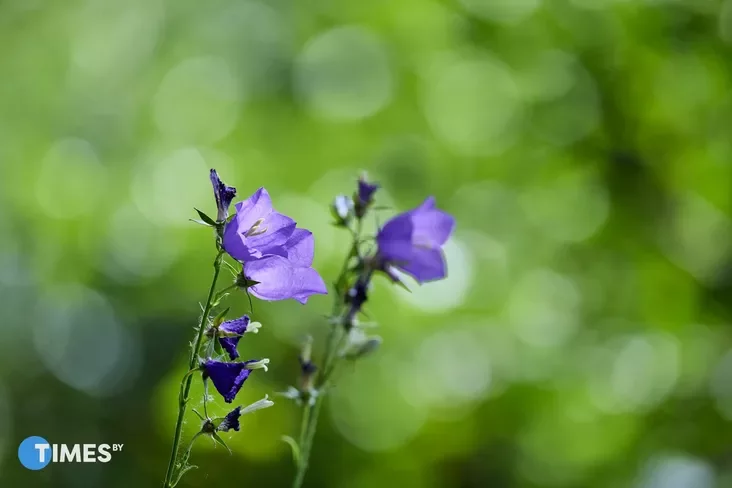
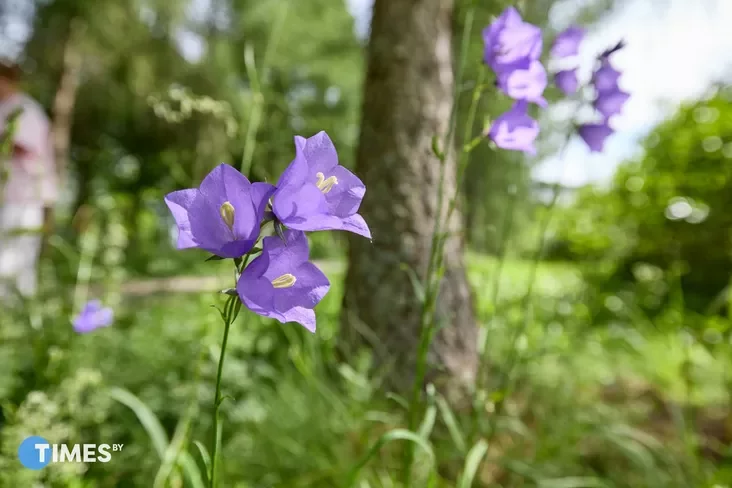
They steal not only "Red Book plants" but also plants that any gardener can easily buy. Once, Tatsiana caught a woman in the act of a floristic crime; she had arrived in a business-class car for irises, having prepared serious equipment in advance: gloves, burlap, and a shovel.
"It turns out there's a superstition: for a plant to take root, it must be stolen," she marvels. "We have to fight against this. Explain that a stolen plant's energy becomes negative. And even at a subconscious level, you're left with the feeling that you're a thief. And it doesn't matter whether you stole from someone's pocket or someone's garden."
Such cases are, fortunately, the exception to the rule. The garden attracts people who share its main principle: not to appropriate, but to contemplate beauty.
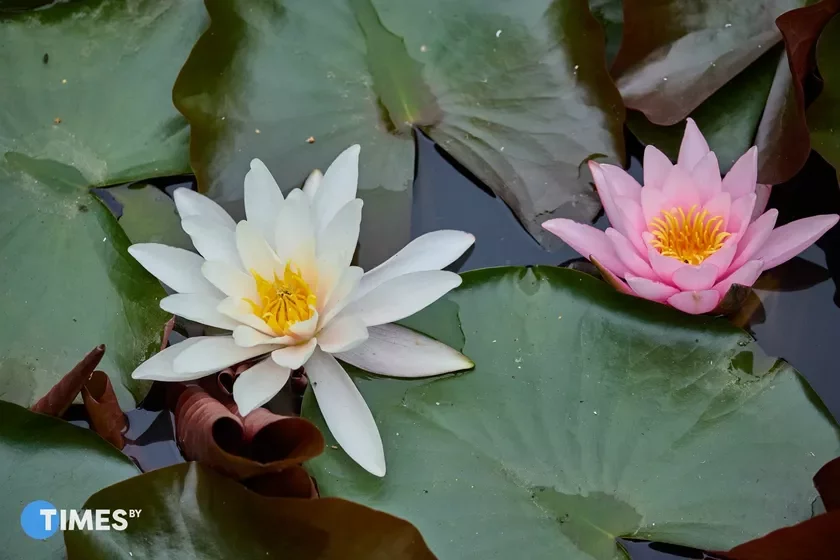
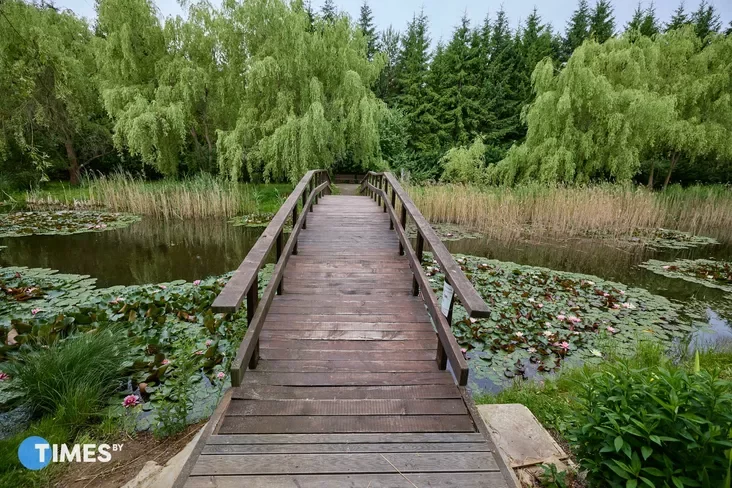
Now – one of the most impressive corners: a pond with water lilies as if it stepped out of Claude Monet's paintings. It turns out that artists also come to the arboretum for inspiration.

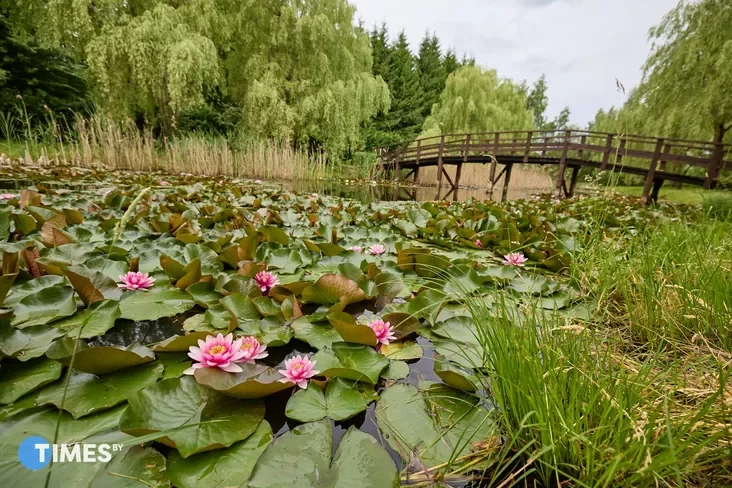
"I was lucky enough to visit Giverny, Claude Monet's very own garden," Tatsiana recounts. "And, you know, I can say that our pond in some ways surpasses the French one. A whole team of gardeners worked on Monet's pond, while with us, everything is natural. Only the double-flowered water lilies are imported."
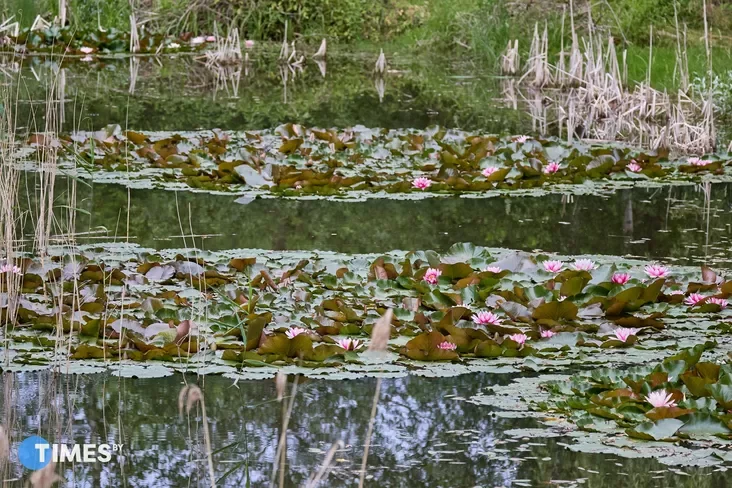
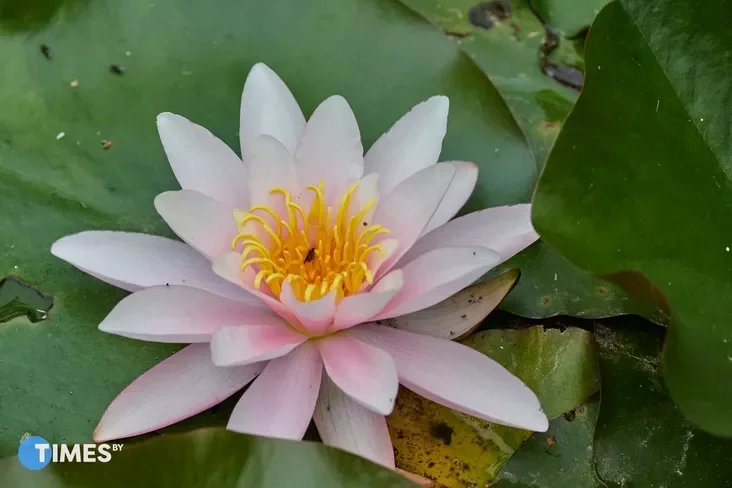
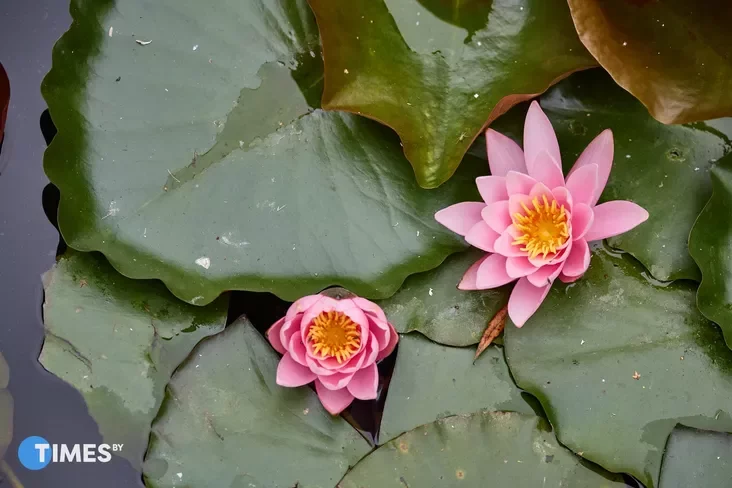
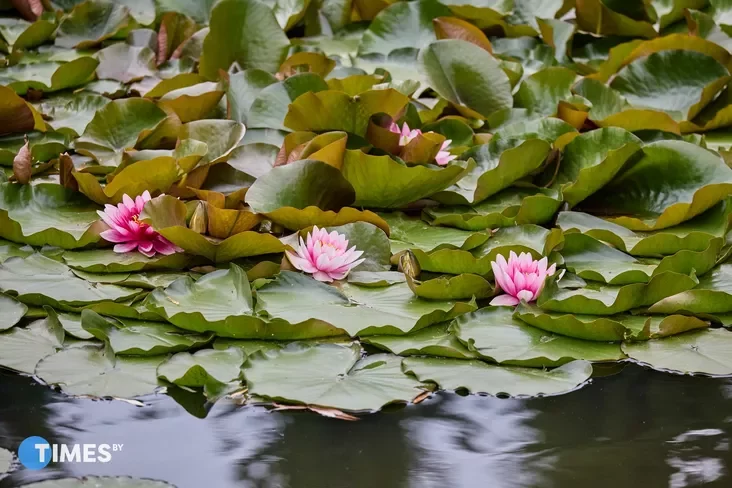
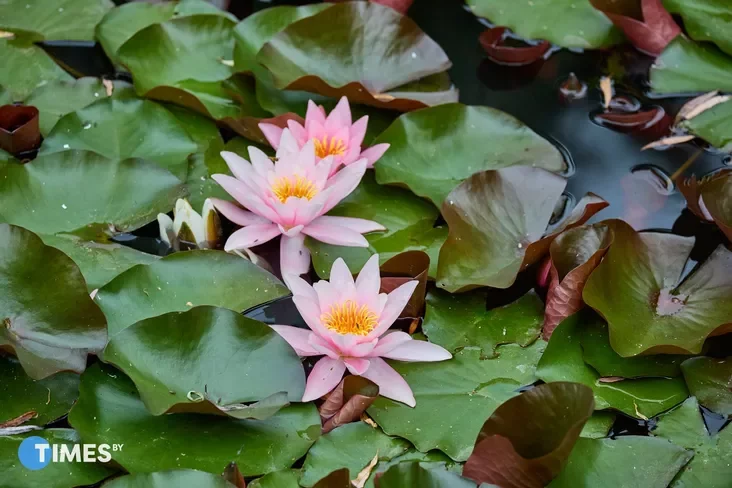
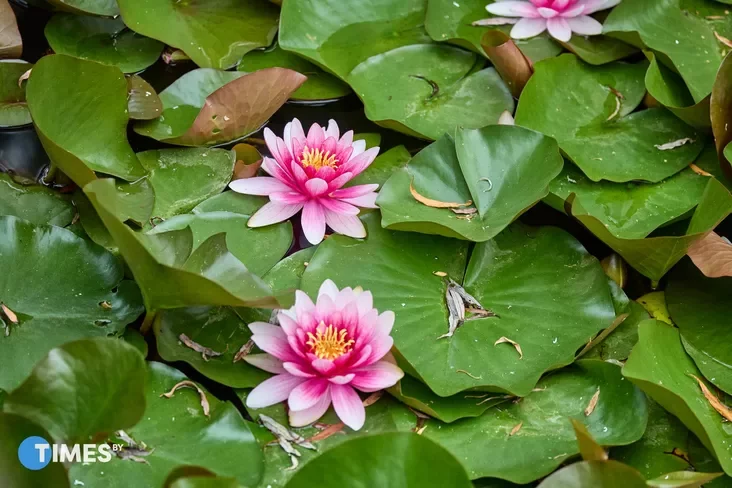
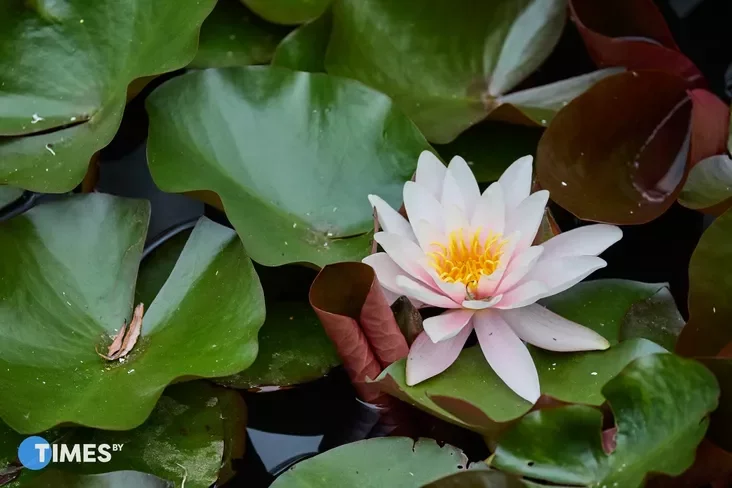
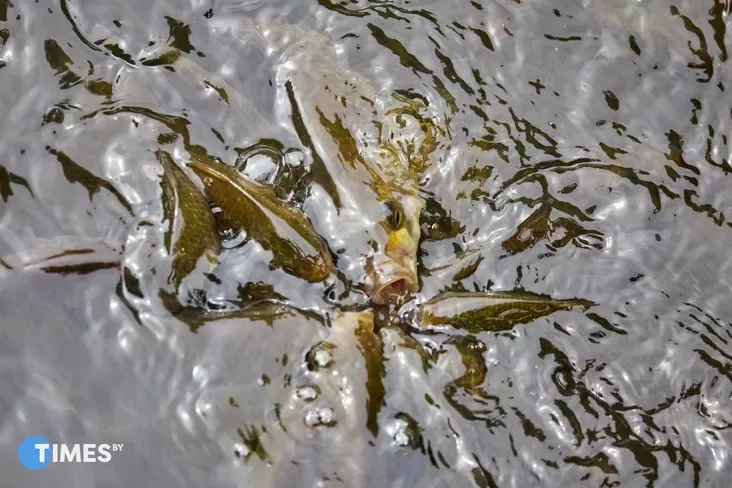
The pond is home to lake princess frogs, water snakes, and silver crucian carp, fed like stray cats. They are already awaiting guests and seem to be pushing each other with their fins in an attempt to be the first to grab a piece of biscuit.
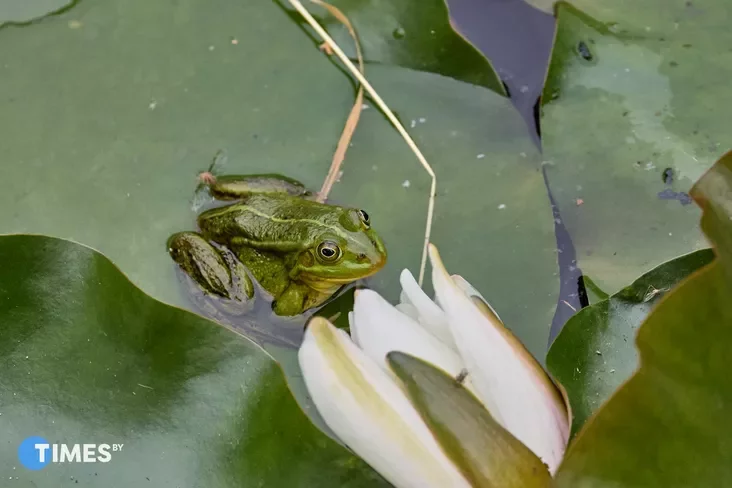
"Because of how they jump to the surface of the water and eagerly snatch food, tourists nicknamed them 'little piranhas'," Tatsiana explains. "About 10 years ago, zoologists told us their population was too large — they needed to be culled. But we were sure that nature would sort itself out, without human intervention. And so it happened. The population was regulated not by us, but by foxes, badgers, raccoon dogs, minks, and herons who come here to fish.
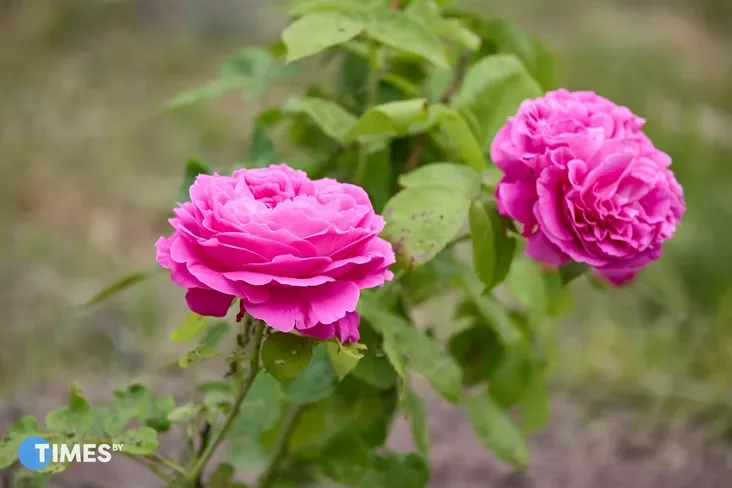
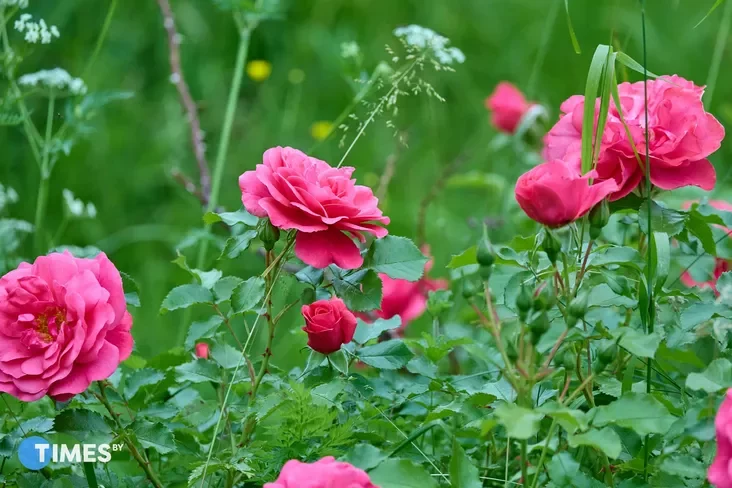
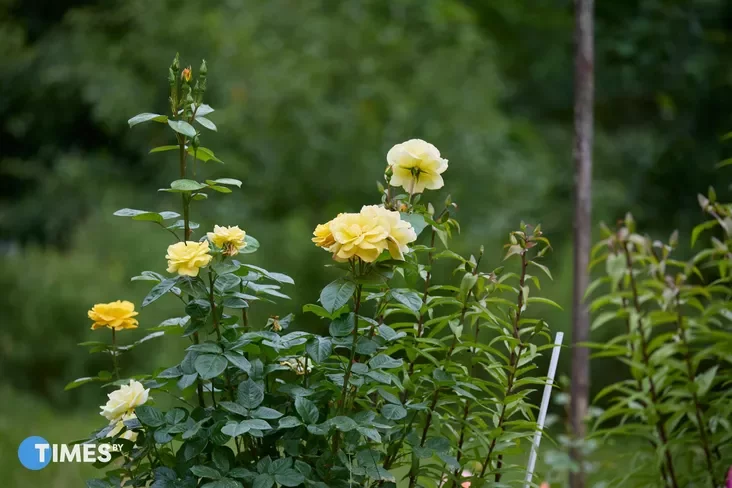
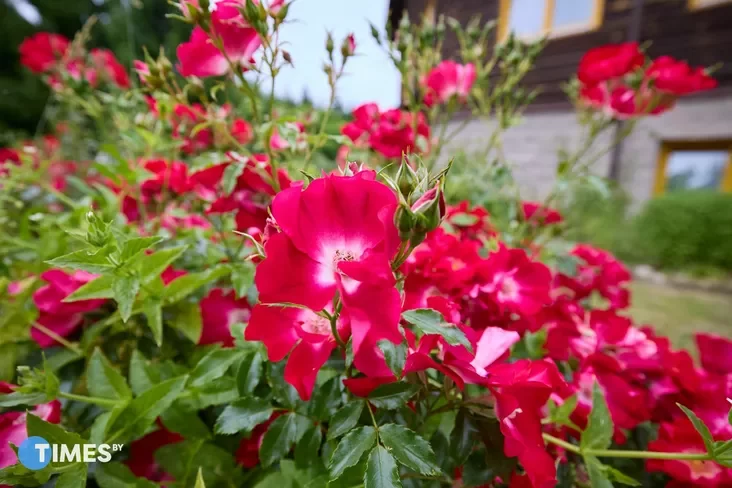
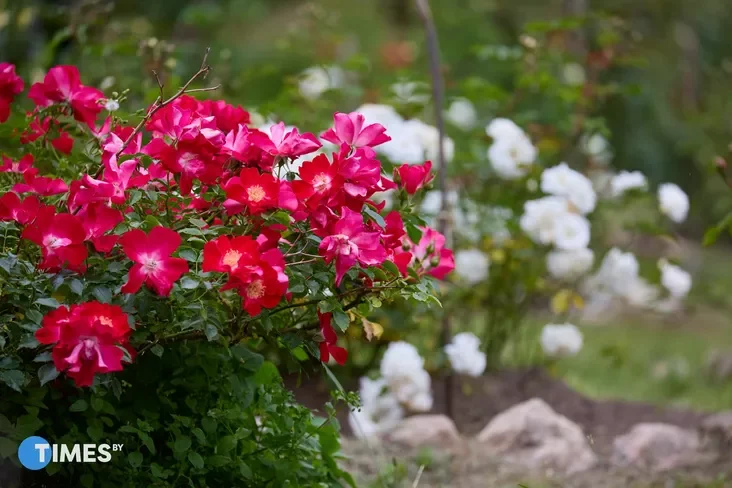
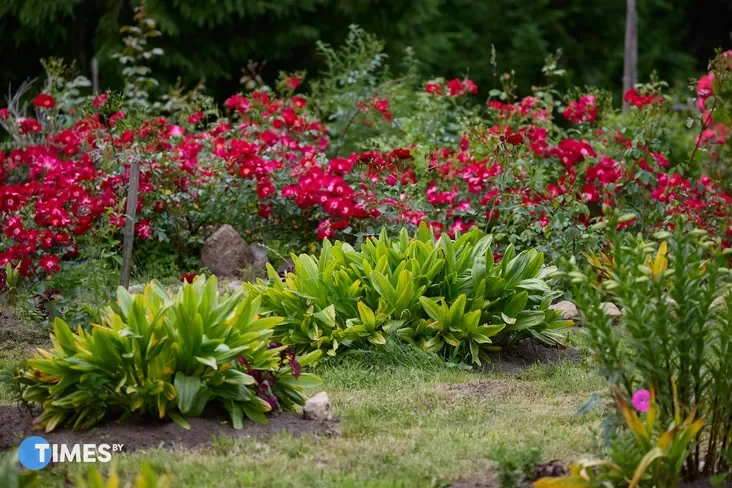
Another beautiful corner with an aromatherapy effect is the rosarium, which has more than 50 varieties of roses: Dortmund, floribunda, park, climbing, hybrid tea, English… There is even a "blue" variety of rose, which is actually a delicate lilac. To paraphrase Shakespeare: "A rose by any other name would smell as sweet," even if you call it "blue."
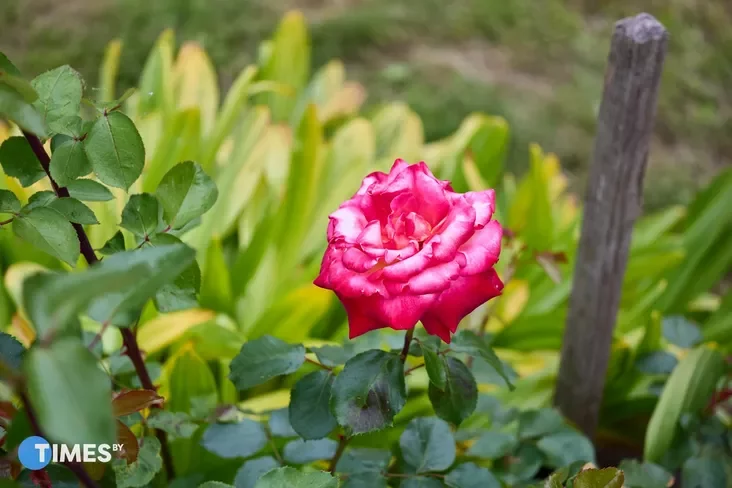
"I truly rest my soul and fully feel the beauty I'm surrounded by only when I lead tours, as I am now for you," Tatsiana admits. "All the rest of the time, the garden is hard work. Both moral, because I feel a great responsibility for preserving Belarusian nature, and physical: I myself work with my hands in the garden."
There are only two employees in the arboretum who care for 16 hectares of garden.
"There are no random people here — everyone is an enthusiast, in love with this place," emphasizes the interviewee. "Those who are far removed from this might get the impression: 'What's so hard about caring for plants? You just walk around the garden, enjoying the beauty.' But in fact, it's weeding, pruning, fertilizing, mowing the grass. And, of course, analytical work: each section must be tended so carefully that the thought wouldn't even arise that a gardener's hand has been at work here. For example, we spent a whole week pruning in the oak grove: removing everything superfluous, diseased, and dry. But the feeling of a natural oak forest remained."
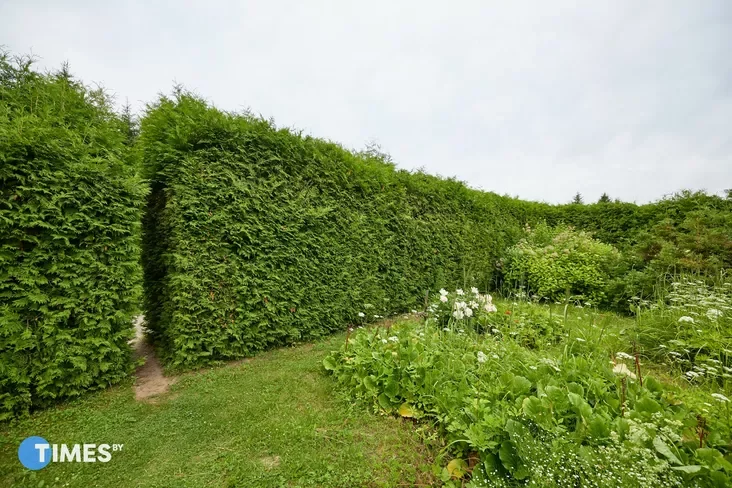
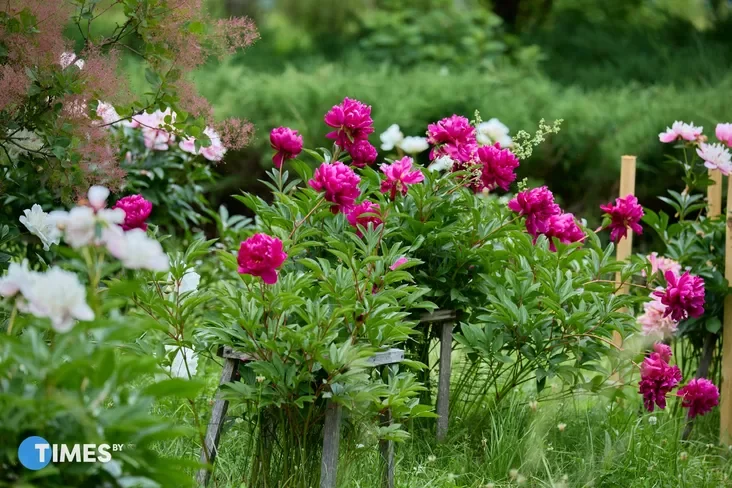
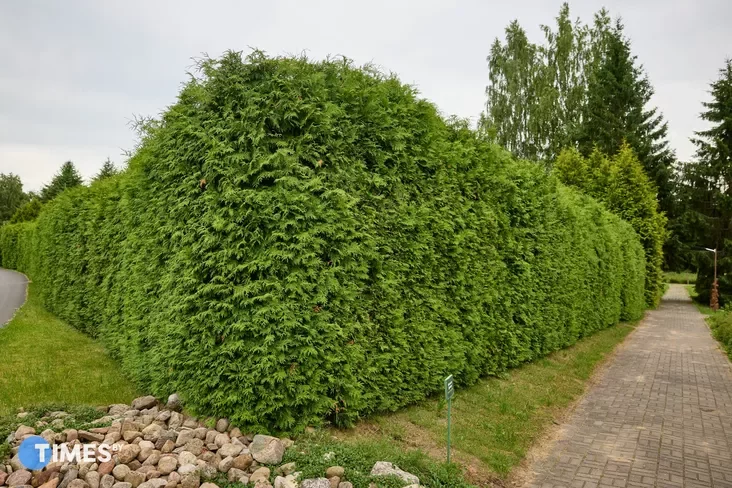
The only location in the arboretum where the tandem of human and nature is evident (and causes admiration) is the "green room," as if from "Alice in Wonderland." Walls made of trimmed western thuja, behind which hides a fairy tale: "Instagrammable" peonies and roses. As it turned out, this natural-architectural space has more than just an aesthetic function.
"Inside this room, there's silence and its own microclimate: plants most sensitive to temperature and humidity fluctuations are planted here. The walls protect them from stress," Tatsiana says.
What plants are missing from the dendrological garden? Tatsiana admits she has a small dream about a big tree: a sequoiadendron. Its dimensions are gigantic — up to 100 meters in height, and its massive branches are often compared to mammoth tusks.
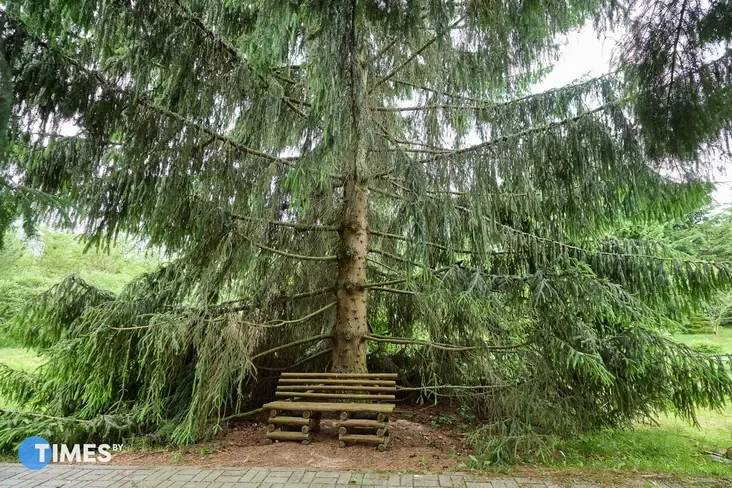
"It's the largest tree on the planet, and I'm curious how it will perform in our latitudes," she explains. "But, you know, our spruce is no less valuable to me than an exotic sequoia — the older I get, the more I appreciate what's native. Perhaps, like trees, I grow — only internally."
Tatsiana says that her perspective was changed by a joint project with the capital's Botanical Garden to preserve the oldest trees of northwestern Belarus.
"Well, it would seem that in Belarus, we have 28 species of trees. For some, it's 'only 28 species,' but for me, it's 'a whole 28 species.' Because trees are all different, just like people. And just as delicate… We Belarusians have historically experienced a lot — and have learned to value and protect what we have. Do you know which location is the most popular and well-trodden in the garden? Not peonies, not roses, and not lilies… But the meadow when the daisies bloom on it."
Now reading


Blogger Seryoga from Russia came to Zybitskaya with his beloved blogger Anya. Result: a Belarusian beaten by him is in a coma, and Seryoga is behind bars for 5.5 years


Comments