


Sweden, where cash was almost abandoned, brings it back into everyday life
On July 1, a law came into force in Sweden obliging grocery stores and pharmacies to accept cash payments. The country, long considered one of the most "cashless" in the world, explains this move by its desire to make the payment system more resilient to crises and accessible to everyone.
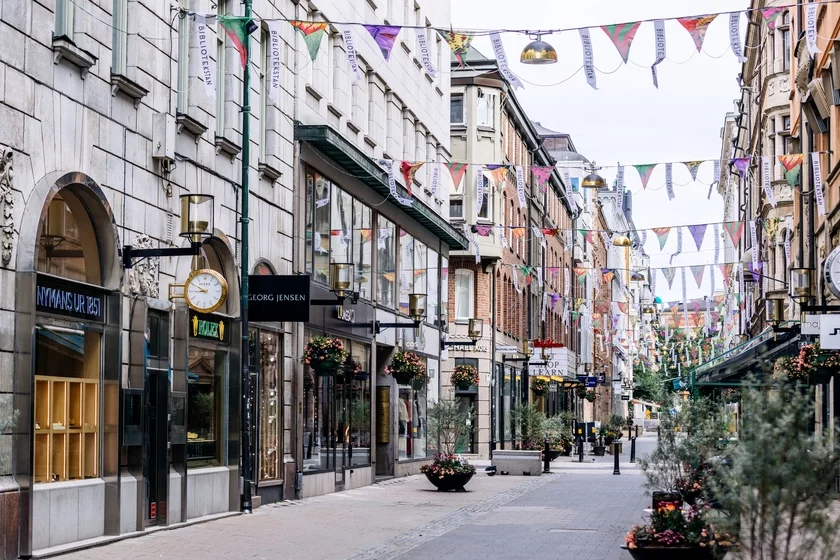
Until recently, Sweden was called an example of a society where cash had almost disappeared from everyday life. Most purchases — even for small amounts — were paid for by bank cards, smartphones, or through the national mobile payment system Swish. Many stores displayed signs indicating that only cashless payments were possible.
However, the authorities have now changed their approach. According to the new law, grocery stores and pharmacies must accept payments both by electronic means and in cash.
As the German publication Finanzblatt, dedicated to finance and economics, writes, the main reason for the innovation is preparation for possible emergencies. The Swedish government and central bank believe that cash should remain a backup payment method in case of digital infrastructure failures.
Such risks can arise from large-scale cyberattacks, power outages, technical malfunctions, or other crises. Similar problems have already occurred in Sweden. For example, in 2021, a cyberattack led to disruptions in the operation of hundreds of supermarkets, where customers were temporarily unable to pay in usual ways.
In this regard, the country's central bank also recommends that adults keep about 1000 Swedish kronor in cash at home (approximately 90 euros). This money is not intended for stockpiling, but so that in case of failures, a person can purchase groceries and other necessary goods.
Another reason for adopting the law was the need to ensure equal access to essential goods and services.
Not all people can or want to use digital payments. This applies, in particular, to the elderly, people with disabilities, those who do not have access to certain banking or mobile services, as well as people with low digital literacy.
If groceries and medicines can only be paid for electronically, this can become a serious obstacle for such people. That is why the new rules primarily affected grocery stores and pharmacies.
However, there is no talk of returning to predominantly cash payments. Most payments will remain digital, and the law provides for several exceptions for small businesses or unmanned stores. Nevertheless, the change in priorities is clear: the state is no longer willing to sacrifice security for comfort.
The Swedish experience becomes an important lesson for other countries where the process of phasing out cash is also gaining momentum. Stockholm's example shows that true progress lies not in the complete destruction of old tools, but in their intelligent integration into a new reality. Cash remains a tangible embodiment of solvency that does not require passwords or network connection, making it an indispensable element of a modern state's stability.


"As long as we remember our own, no one will steal them from us." Hurnievič explained why Parfyonov's opinion on Chagall means "to the 'lilac moon'" for us


Comments
Калі пару гадоў таму ў Іспаніі вырубілася святло на цэлы дзень ва ўсёй краіне, толькі наяўнымі можна было разлічыцца. Карткі ператварыліся ў шматок пластыку.