


In the elections in Bosnia and Herzegovina, Dodik's pro-Russian party retained influence
In the elections in Bosnia and Herzegovina, the party of pro-Russian politician Milorad Dodik maintained significant influence. His ally, Željka Cvijanović, secured a place in the country's collegial presidency, reports The Guardian.
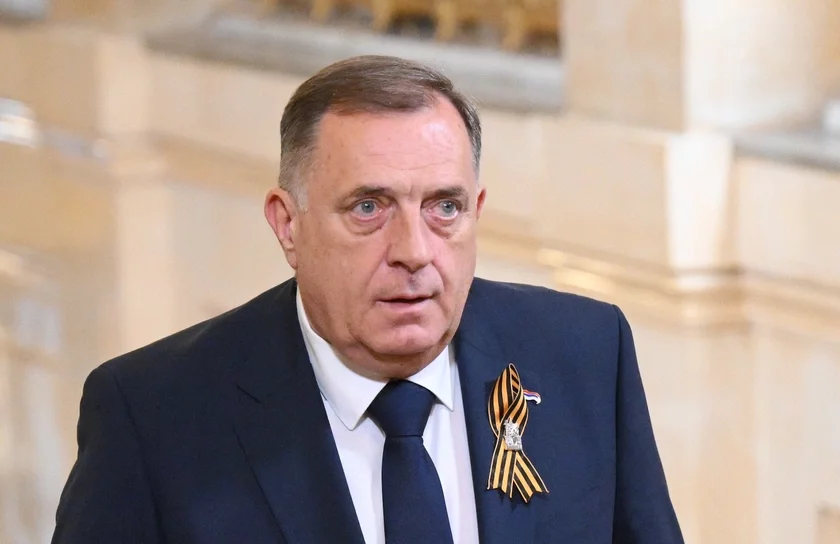
In the elections, citizens of Bosnia and Herzegovina chose three members of the multinational presidency, deputies of the national parliament, as well as leaders of the authorities of the two constituent parts of the country — the predominantly Muslim and Croat Federation of Bosnia and Herzegovina and the Republika Srpska, where the majority of the population are ethnic Serbs.
After counting more than 94% of the votes in the race for the seat designated for Croats, Darijana Filipović from the nationalist Croatian Democratic Union of Bosnia and Herzegovina was in the lead. The seat for Bosniak Muslims was retained by the incumbent member of the presidency, Denis Bećirović from the Social Democratic Party.
Meanwhile, Dodik's associate, Željka Cvijanović, from the right-wing party "Alliance of Independent Social Democrats," received more than 55% of the votes. She defeated her closest opponent by approximately 30 percentage points and secured the third spot in the country's collegial presidency.
Milorad Dodik himself did not participate in the elections after last year's court ruling, which prohibited him from running for and holding the post of president of Republika Srpska. However, he remained one of the central figures of the election campaign. On the eve of the vote, Dodik also stated that his nationalist party would secure an "overwhelming majority" in the parliament of Republika Srpska.
Dodik linked his victory to the election of Donald Trump as US president in 2024 and support from Russian President Vladimir Putin. According to him, Trump, after coming to power, "removed Biden's hateful structures." Dodik stated that his political forces do not intend to change their course and will continue to fight for their interests.
The Central Election Commission of Bosnia reported that a total of 1,432,269 votes were cast. Voter turnout was 42%, which is approximately 8 percentage points lower than in the previous elections in 2022.
Republika Srpska was created in 1992 as a self-proclaimed state after Bosnia and Herzegovina began the process of seceding from Yugoslavia. In 1995, under the Dayton Agreement, Republika Srpska became part of Bosnia and Herzegovina.
Dodik has repeatedly demonstrated his support for the Russian leadership. In 2023, he awarded Vladimir Putin an order as part of the celebration of January 9th as Republika Srpska Day.
Now reading


A Lieutenant Colonel from the Military Intelligence Faculty is Being Tried for "Treason to the State" in a Case That Appears Political. What is Known About Him?


Comments