


On October 6, 1876, the outstanding photographer Jan Bułhak was born in an estate near Astashyn, not far from Navahrudak. Thanks to his photos and local history essays, we can imagine what our land looked like before.
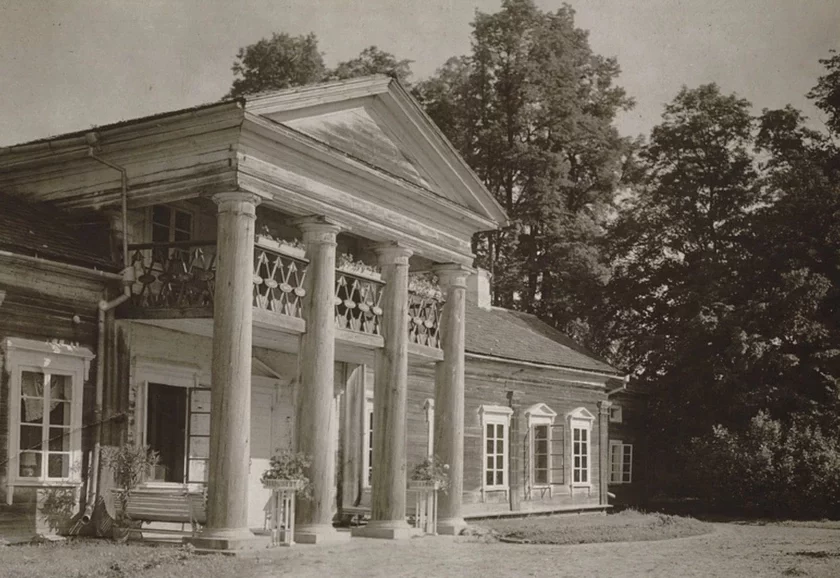
Jan Bułhak took his first photographs in 1905. Already in 1908, he opened his own photo laboratory and received the main award at a photo competition.
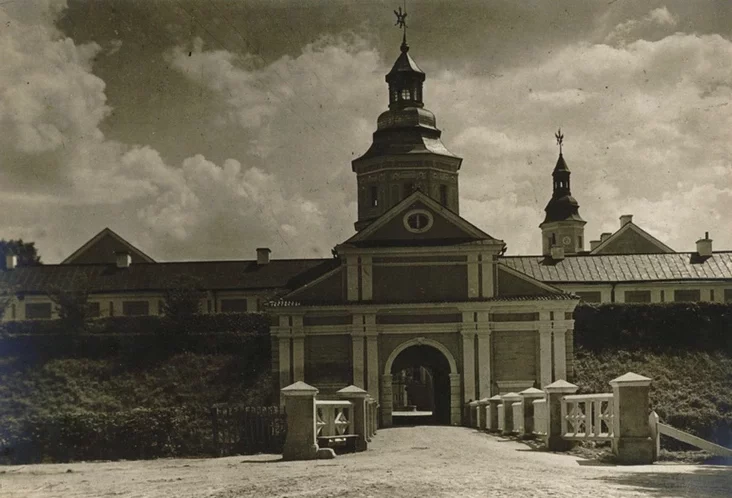
Belarus became one of the main themes of his early work. Bułhak photographed Navahrudak, Mir, Nesvizh, Sviatsiaz, Vileyka, Belarusian villages, peasants, and landscapes.

In 1911, Bułhak held an exhibition in Minsk, and soon after moved to Vilnius, where he became the city photographer. He systematically documented the city's architecture and by 1915 had taken more than 800 photographs. The six-volume album "Lithuania in Photographs by Jan Bułhak" included more than 270 photographs, including those taken on the territory of modern Belarus.

After the war, Bułhak became one of the founders of the Union of Polish Photo Artists and documented devastated Warsaw.
Most of his archive — about 10 thousand photographs — burned down in Vilnius in 1944.

The preserved works are now in collections in Belarus, Lithuania, and Poland. They have not only artistic but also documentary value: thanks to Bułhak, one can see what Belarusian cities, towns, villages, and their inhabitants looked like more than a century ago.
Now reading


"Around 70% of Russian visitors turned out to be 'vatniks'." Ex-guide from the Museum of the Great Patriotic War, detained by his own tour group, is now popular in Warsaw — we talked to him

"Around 70% of Russian visitors turned out to be 'vatniks'." Ex-guide from the Museum of the Great Patriotic War, detained by his own tour group, is now popular in Warsaw — we talked to him


Tsikhanouski ironizes about his wife: Lukashenka helps and cares for her, even when there was a threat to children, all information was passed to Poland


Comments