


Have Belarus authorities decided to destroy all manifestations of "Polishness"? Authorities are quietly preparing a global purge of the State List of Monuments
Local authorities have received instructions to urgently prepare documents for stripping historical objects of their protected status. Potentially, thousands of monuments could be stripped of their protected status and demolished. The example of just one district shows that almost exclusively noble estates are being targeted for removal.
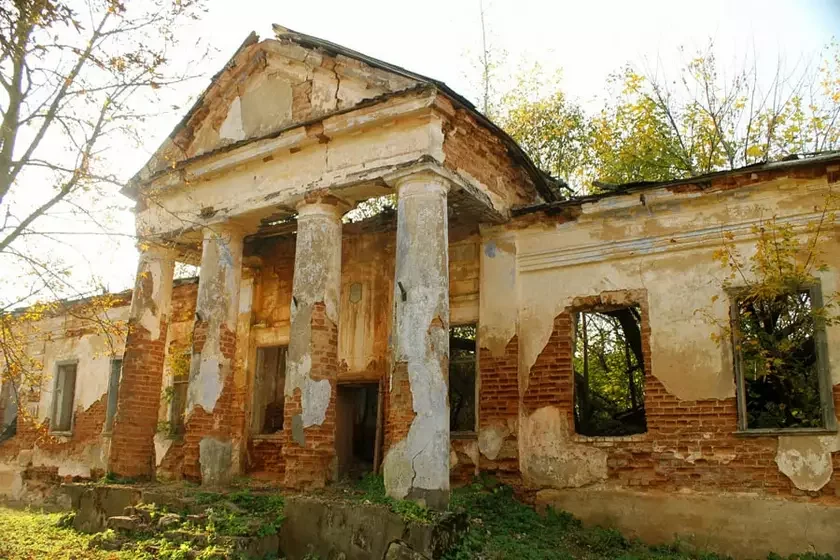
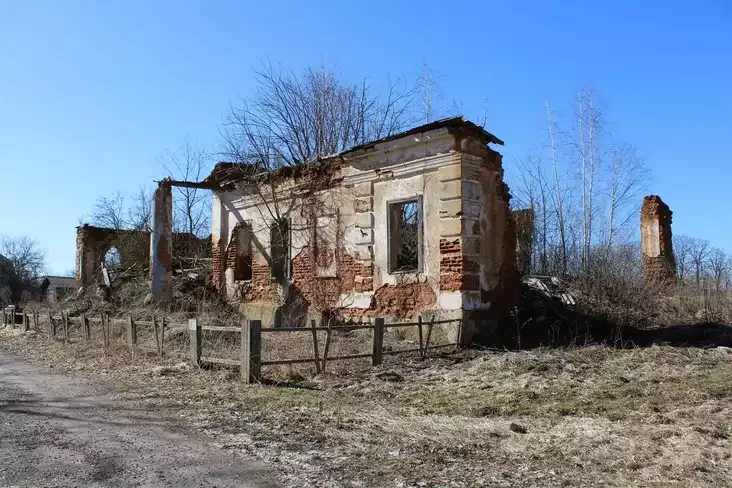
The Telegram channel "Heritage" published a document signed by Aliaksandr Ilyasevich, Deputy Chairman of the Minsk Regional Executive Committee, addressed to the chairmen of district and city executive committees.
The first paragraph of the document notes that the work is being carried out "to fulfill the instructions of the Council of Ministers regarding the exclusion of certain immovable tangible historical and cultural values." This indicates that the reduction of the list of monuments is a centralized government initiative, not a decision by local officials.
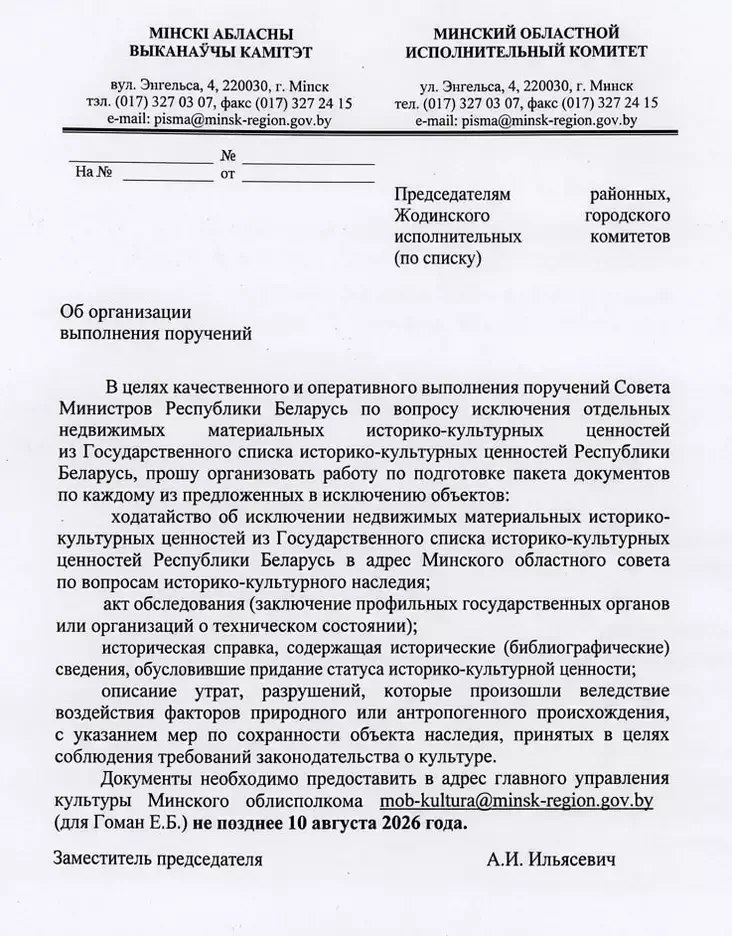
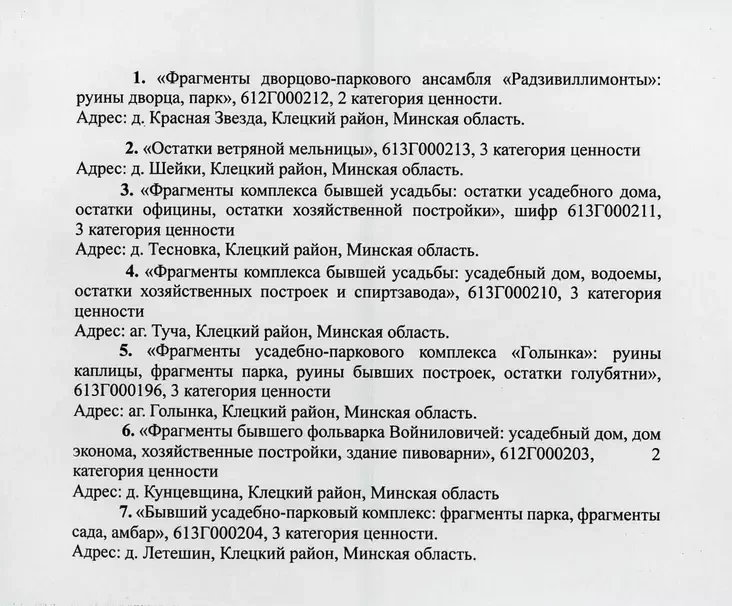
According to the document, officials of the Kletsk district were supposed to prepare a package of documents by August 10, 2026, for the exclusion of seven historical objects. They were required to draw up inspection reports and describe the losses to legally justify the need to strip the status.
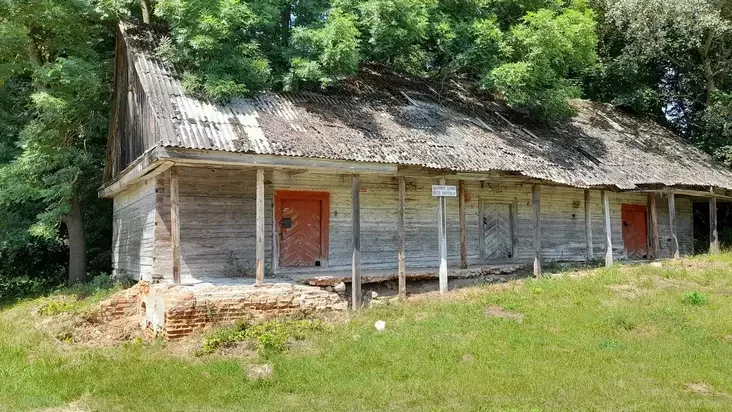
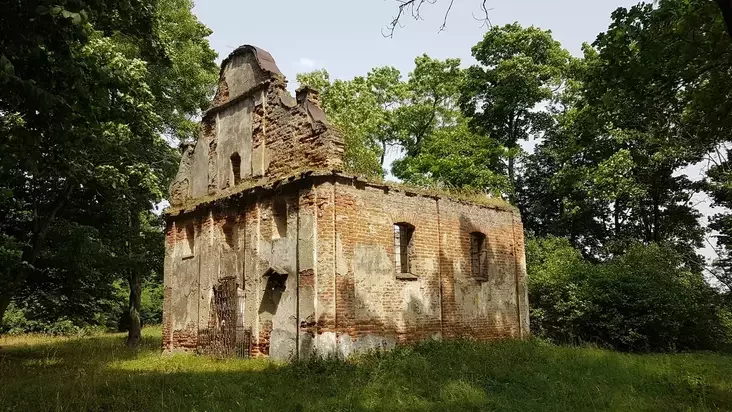
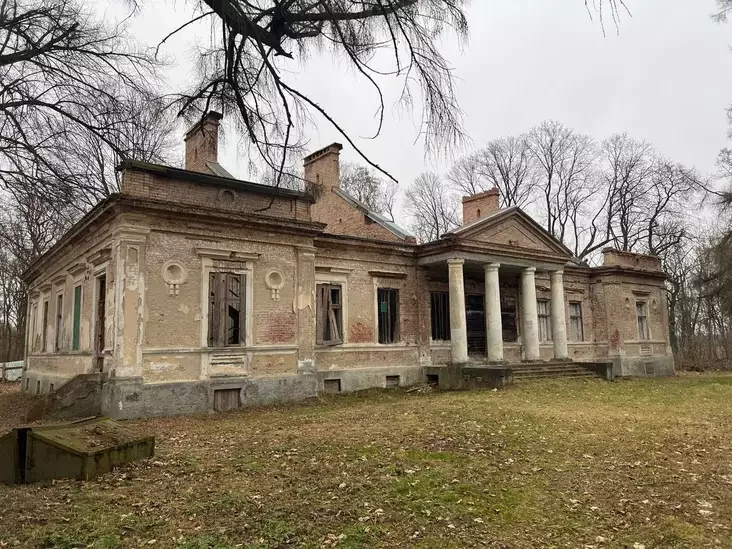
The list for exclusion in the Kletsk district immediately included two monuments of the 2nd category (of national importance): the wooden classicist Radziwill Palace in Radziwillimonty (modern village Chyrvonaya Zorka), built in the 1780s according to the design of Italian architect Carlo Spampani, and fragments of the Vainilovichi farmstead in Kuntseushchyna.
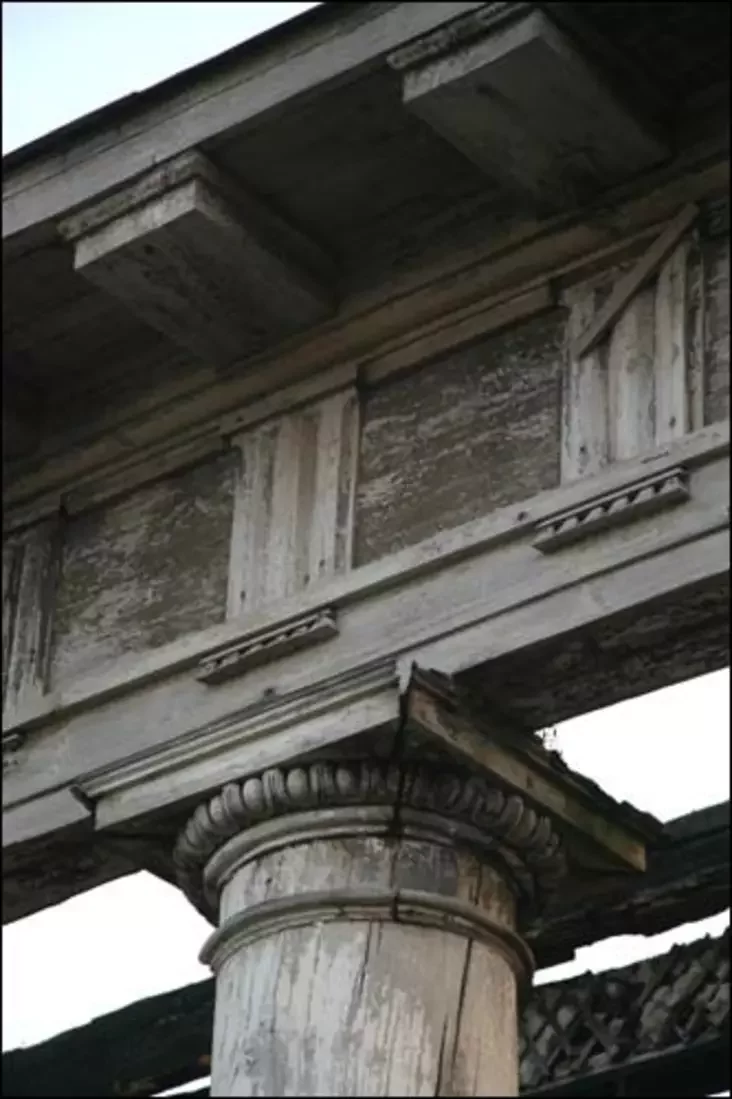
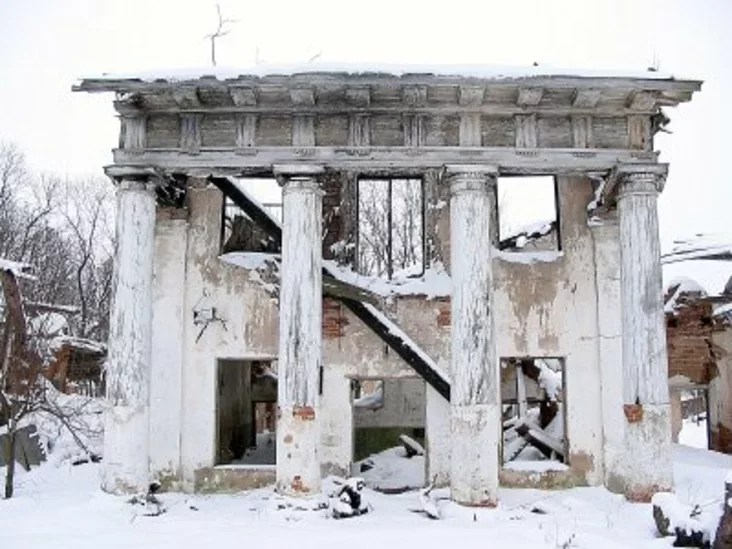
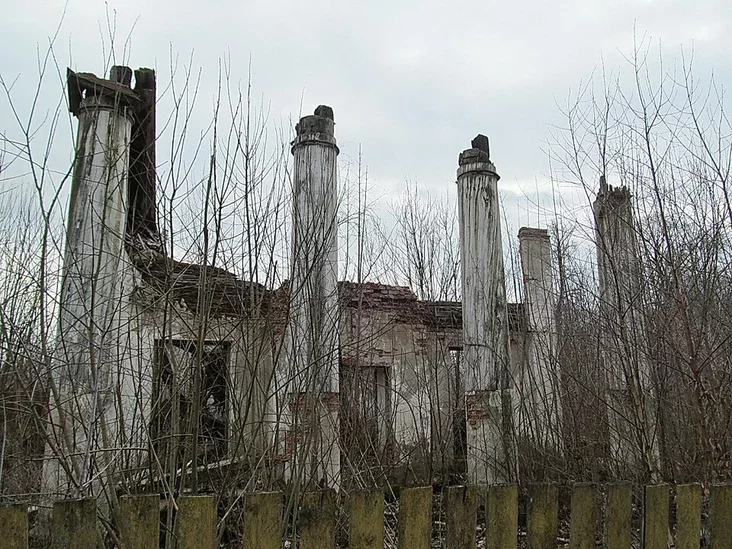
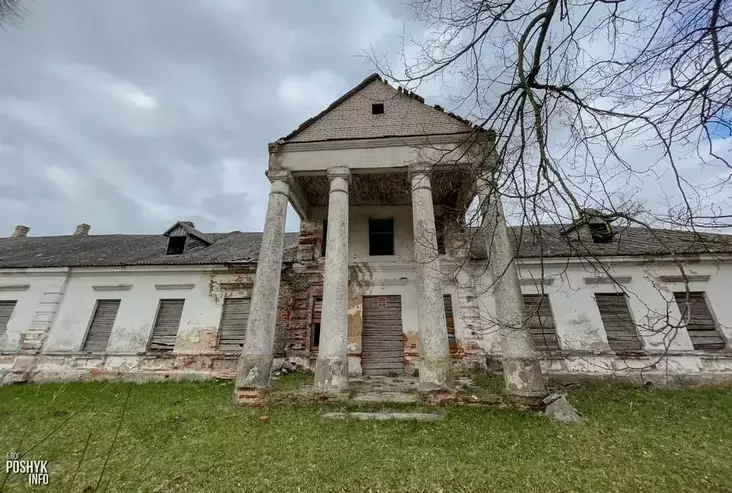
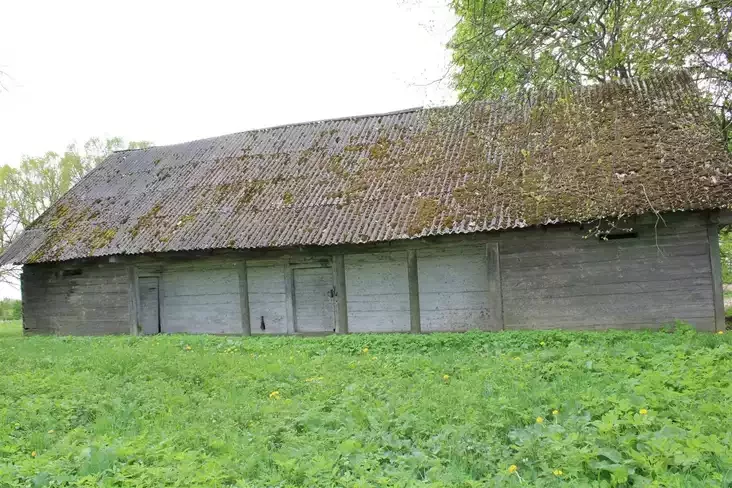
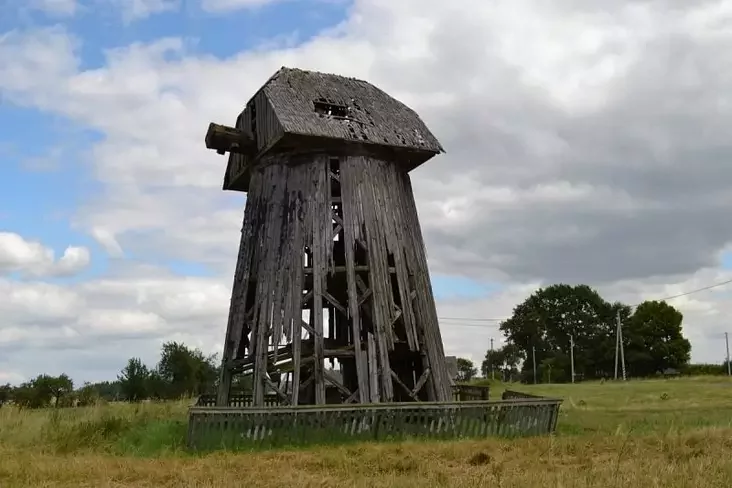
Also losing their 3rd category protected status are the historical estates of Yalenski in Tucha, Vendorf in Halynka, Charnotski in Lietsiashyn, and Labotski in Tsiasnovka. The seventh object on the list is a wooden tent-roofed windmill in the village of Shaiki.
A comparison of the exclusion list with the general State List of Historical and Cultural Values of the Kletsk district demonstrates a clear trend in the selection of objects.
Before the document appeared, 30 objects were officially protected in the district. Of these, 7 (23%) are being removed.
The district has eight mass graves and Soviet military memorials — none of them are being stripped of their status. For now, all seven objects of religious architecture (Orthodox and Catholic churches, as well as the building of the former yeshibot), and two archaeological monuments — a fortified settlement and a barrow cemetery — remain under protection.
The stripping of status affects almost exclusively noble manor and park complexes. Of the nine such objects in the Kletsk district, six are losing their protected status. This means that the district loses two-thirds of its historical manor heritage with a single stroke of a pen.
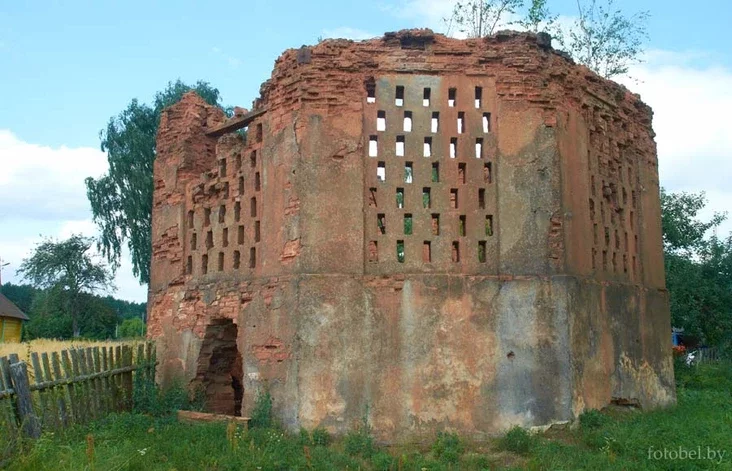
Interestingly, even the 2nd category status, meaning a monument of national importance with historical and cultural significance for the entire country, does not protect against exclusion. There were only three 2nd category objects in the district — the church in Halynka, the complex in Radziwillimonty, and the farmstead in Kuntseushchyna. The latter two are planned for exclusion from the list.
This unprecedented purge is taking place against the backdrop of an already meager Belarusian list of monuments compared to neighboring countries. As we wrote earlier, the State List of Belarus contains only about 5600 objects (of which real historical buildings are a little over 3000). For comparison, in small Lithuania, over 26,000 objects are protected, and in Poland, about 80,000 are on the prestigious list and over half a million on the regular one, which in character differs little from the Belarusian State List. However, the Belarusian list is not just failing to expand; they are constantly trying to reduce it or at least prevent new objects from being added.
Destroy to write off
To legally justify the exclusion of an object from the State List, officials must prove its loss of historical value or physical destruction without the possibility of scientific restoration. However, this destruction is most often the result of deliberate long-term inaction by the authorities themselves.
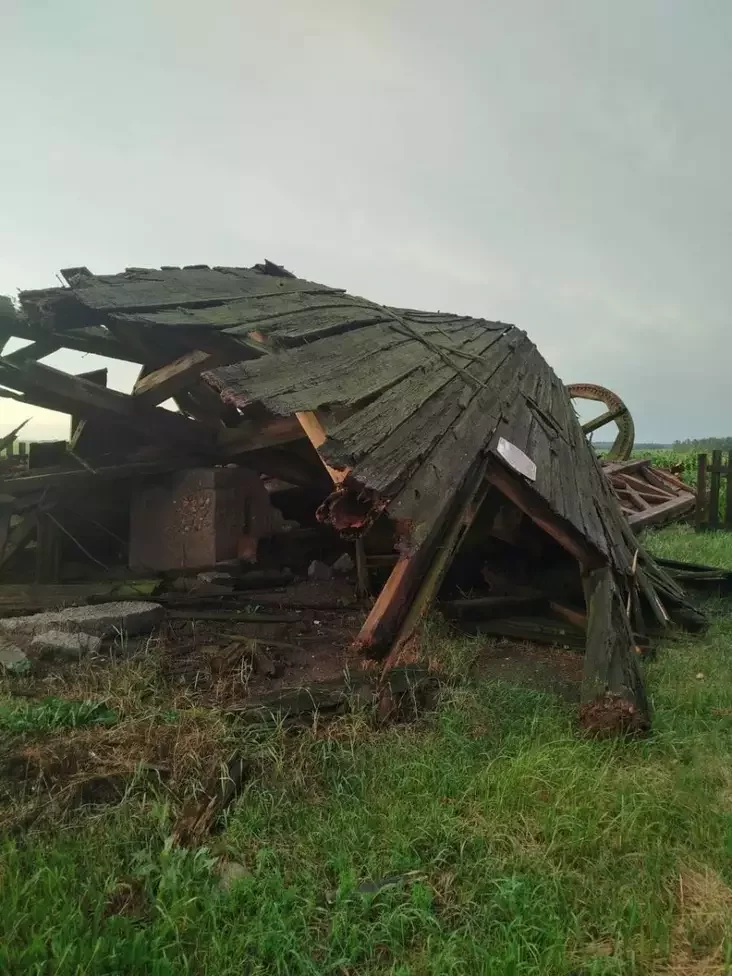
For example, the wooden tent-roofed windmill in the village of Shaiki, which had been under state protection for almost four decades (since 1987), collapsed due to decay in July 2025, because during that time local authorities, on whose balance sheet the monument was, did literally nothing to preserve it.
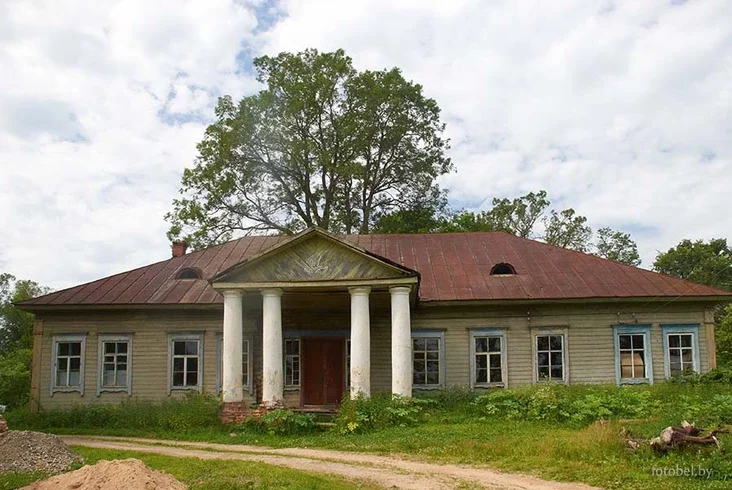
A similar situation occurred with the Labotski manor house in Tsiasnovka. In 2017, the classicist portico on the main facade of the estate collapsed, but neither before nor after the incident did local officials do anything again. Now, the result of their inaction will become a formal reason for stripping the protected status.
These are just examples of when things fell apart "on their own," but there are instances where this destruction was aided. In 2021, local farmers unhinderedly demolished several 19th-century buildings and cut down 52 trees in the historical park in Radziwillimonty, because the protection boundaries, which local authorities were supposed to commission from specialists, had not been developed and approved.
According to the law, bringing a historical and cultural value to destruction is a criminal offense. But to avoid implicating themselves when looking for culprits, the best way out is to strip protection from what they themselves brought to ruin.
Previously, they at least tried to shift responsibility to a naive investor who would agree to restore the ruins with their own money. Thus, the Yalenski estate in Tucha from the late 18th century was repeatedly and unsuccessfully put up for auction for 1 basic unit. Now an easier way has been found.
What happens after stripping the status
Exclusion from the State List, as well as an official refusal to grant status, is effectively a death sentence for a historical object in Belarus. Practice shows that the corresponding decision is immediately followed by the work of bulldozers.
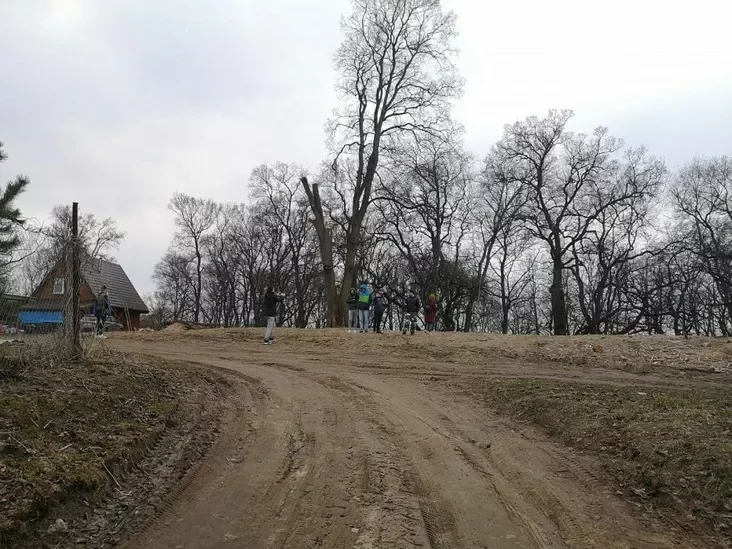
In 2021, in the village of Dvor-Homel, Polotsk district, local authorities demolished the wooden Arlitski estate immediately after the regional council on historical and cultural heritage decided on "insufficient grounds" for granting the building protected status, despite the fact that the same council recommended local authorities to preserve the historical object.
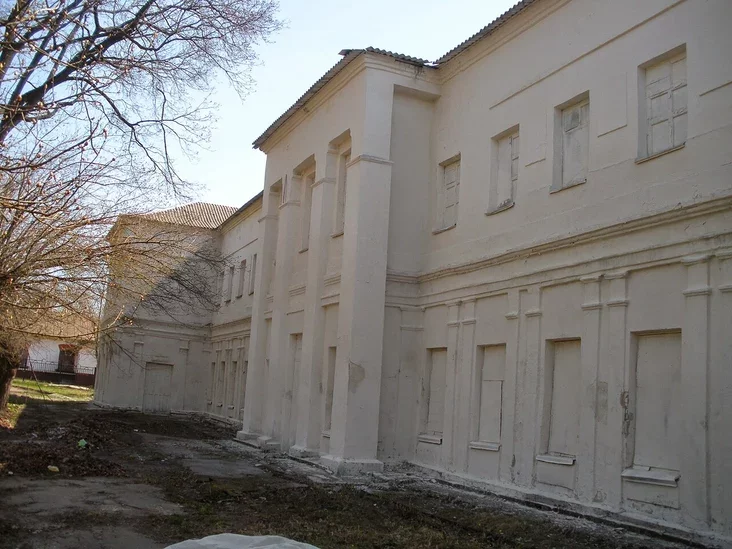
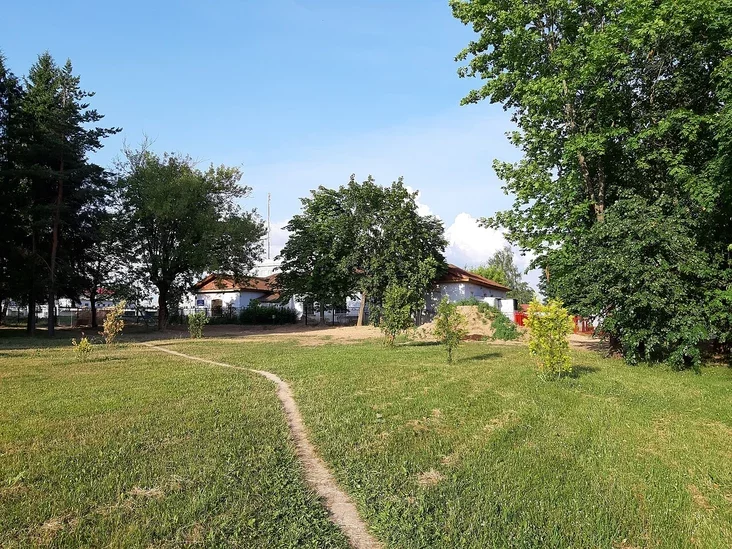
An even more egregious case occurred with the country residence of the Uniate Metropolitan Siestrzencewicz in Pechensk, Mogilev, which later became a psychiatric hospital. In the 2000s, at the initiative of local authorities, the complex was stripped of its historical and cultural value status, after which most of the historical buildings were quickly demolished and the site cleared.
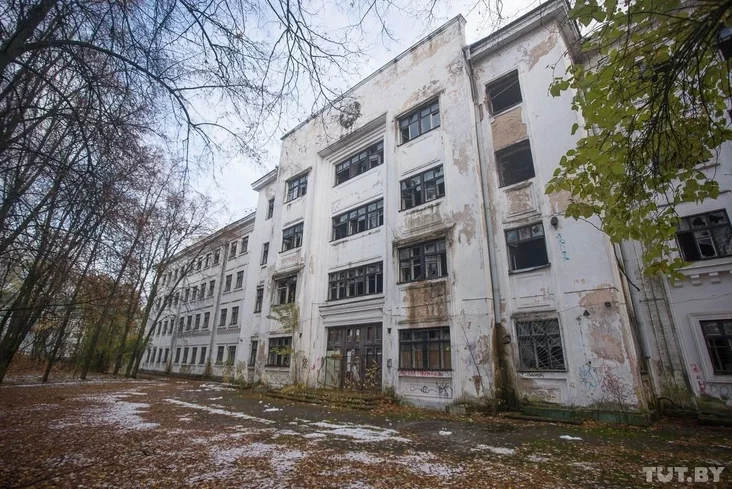

In the summer of 2026, the demolition of the hospital building at Pyatrusya Broŭki street, 5 in Minsk, designed under the guidance of French modernist architect André Lurçat, began. The authorities managed to exclude the building from the List, despite its good condition. The formal grounds for stripping the status were provided by loyal academicians who signed the necessary Council of Ministers' conclusion on the "loss of value."
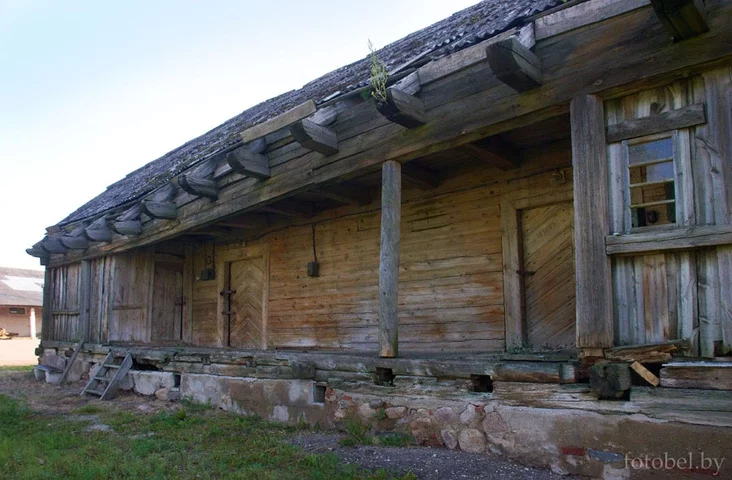
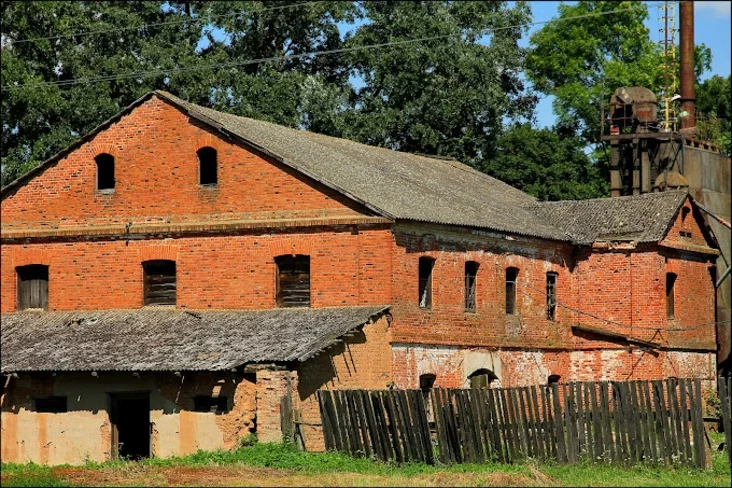
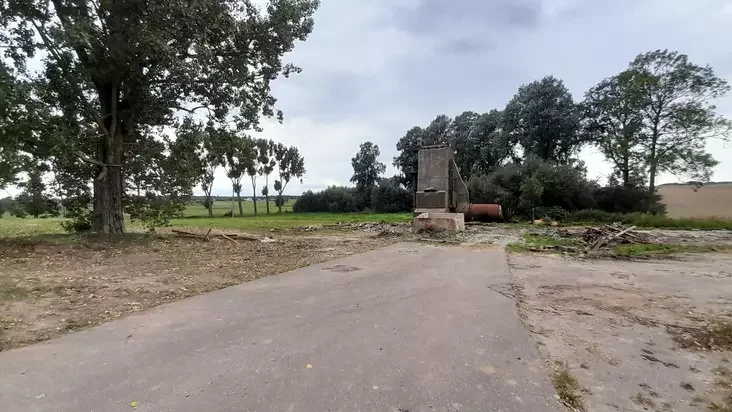
Even if historical buildings are part of an estate and create its unique surroundings, but are not formally listed separately, they are destroyed like ordinary neglected Soviet barracks. Thus, at the end of 2023, the farmyard at the Obukhovich estate in Vialikaya Lipa, Niasvizh district, was completely demolished. It did not have protected status, and the boundaries of the estate itself were not approved.
And last month, the Dzyarzhynsk District Executive Committee was looking for buyers for the remains of the unique classicist Church of Saints Peter and Paul from 1836 in the village of Starynki, with one condition: the new owner must completely demolish the historical object, which still does not have the status of a historical and cultural value.
So the fate of those objects that will be stripped as part of this global purge is predetermined — they will simply cease to exist.
Continuation of the fight against "Polish occupation"?
After the political crisis of 2020, the Belarusian regime found itself in total dependence on Russia. In exchange for economic and military support, full synchronization with Russian imperial narratives was required. Any independent, pre-Soviet, European history of Belarus — linked to the Grand Duchy of Lithuania and the Polish-Lithuanian Commonwealth — began to be viewed as a potential source of disloyalty and a reason why Belarusians do not identify with Russia. Today's policy of the Belarusian authorities synthesizes various layers of hostility towards everything "Polish," which is understood to mean everything non-Russian.
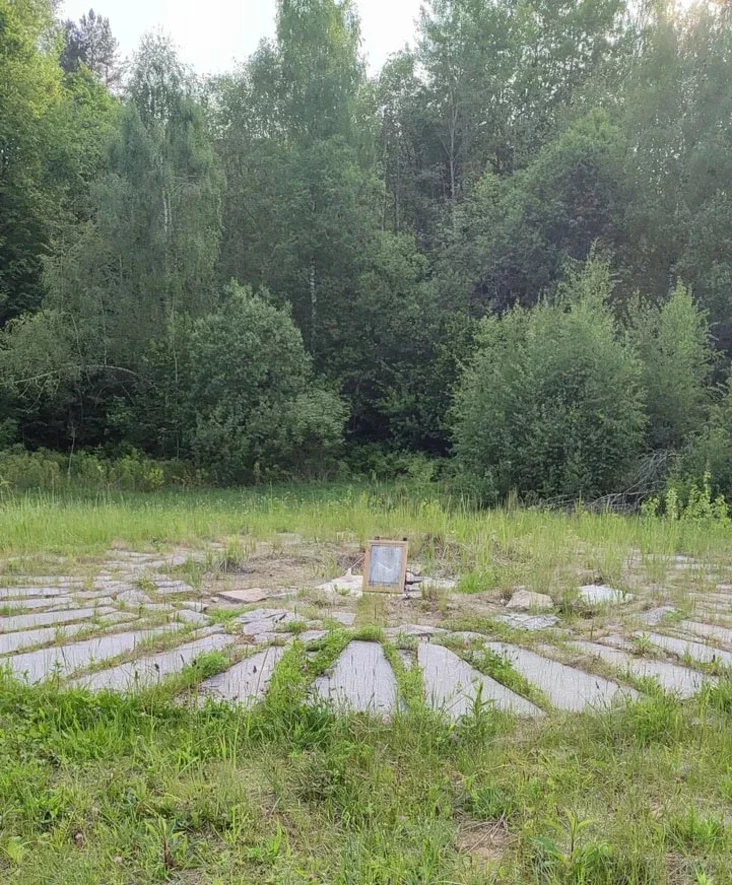
Firstly, this is the legacy of the Russian Empire, which, after the partitions of the Polish-Lithuanian Commonwealth throughout the 19th century, brutally suppressed any manifestations of "Polishness" and Catholicism, which was also considered a Polish faith, in the annexed territories. Secondly, this is a Soviet ideological trauma. For the Bolsheviks, Poland was the main ideological enemy in the west, which in 1920 successfully repelled the onslaught of the Red Army and occupied half of Belarus. It is no coincidence that in 2023, the authorities forced the painting depicting the Battle of Warsaw in the church in Soly to be painted over. Later, Poland was one of the first to independently shed the yoke of Soviet ideology, initiating a chain reaction of the collapse of the entire Eastern Bloc. Finally, these old imperial and Soviet phobias overlapped with the events of 2020, when Poland became the center of Belarusian political emigration and the most consistent implementer of harsh economic and personal sanctions of the European Union against the Belarusian regime.
The entire European tradition of the Grand Duchy of Lithuania in union with the Kingdom of Poland, and later the Polish-Lithuanian Commonwealth, began to be seen as a source of potential disloyalty. The official start to rewriting history was given personally by Alexander Lukashenka on January 6, 2022, at a meeting on "historical policy." He stated that before 2020, there were "too many portraits of Polish and Lithuanian nobility" in the country, and this is what led to the protests. The idea was formulated to present the period of the Polish-Lithuanian Commonwealth in textbooks and museums as "Polish occupation and ethnocide of Belarusians."
The era of the Grand Duchy of Lithuania was described as privatized by modern Lithuanians, but at the same time, all local aristocracy was removed from the concept of "Belarusian people." They were equated with colonizers who "traded Belarusians for dogs."
The only safe historical periods recognized were Ancient Rus', being part of the Russian Empire, and, as the culmination of nation-building, the Soviet period and the Great Patriotic War.
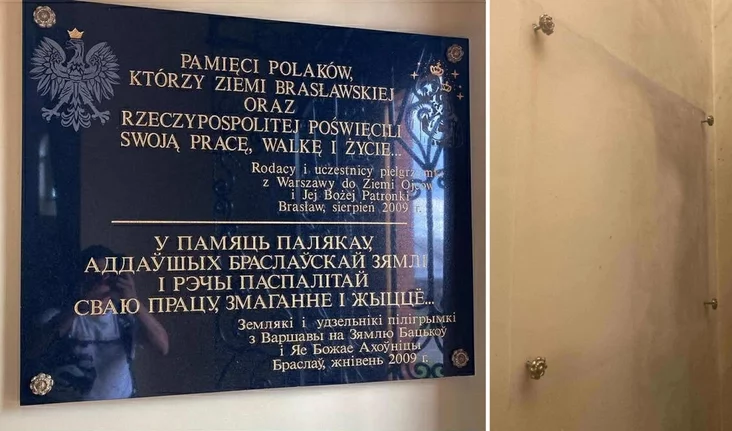
Initially, a wave of destruction of monuments to soldiers of the Home Army swept across the country. Later, a shift in the historiographical paradigm demanded a rewriting of the national pantheon as well.
The main blow fell on the leaders of the anti-Russian uprisings of the 18th-19th centuries — Tadeusz Kościuszko and Kastuś Kalinoŭski, and also affected figures of the Belarusian national movement of the late 19th — early 20th centuries, a significant part of whom belonged to the Catholic gentry or Catholic clergy, which for the Belarusian authorities is equivalent to "Poles" who wanted to separate Belarus from Russia.
Thus, in state media, from the mouths of propagandists and pro-government historians, the narrative began to be systematically instilled that Kalinoŭski was not a revolutionary democrat, as Soviet historiography believed, but a "Polish terrorist" and "religious fanatic" who allegedly created firing squads and massacred Orthodox peasants who did not want to fight for Warsaw's interests. An additional trigger was the creation of the Kalinoŭski Regiment in Ukraine, which allowed propaganda to link the name of the historical figure with modern armed resistance. And Kościuszko became exclusively a "patriot of Poland"; the defeat of his uprising and the partitions of the Polish-Lithuanian Commonwealth allowed Belarusians to survive as a people.
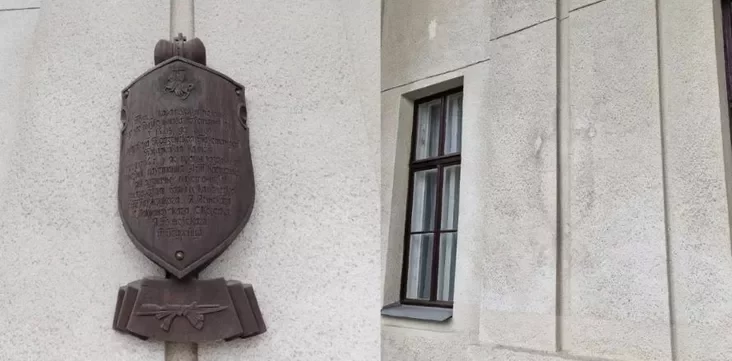
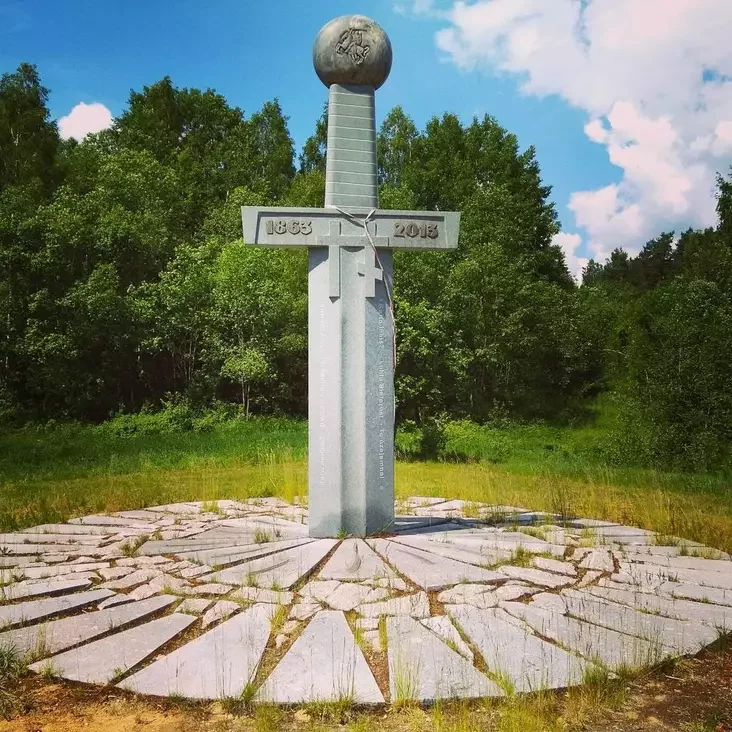
In 2023, near the railway station in Grodno, a monument to the 1863 insurgents was demolished. A year later, a plaque commemorating the 1794 uprising disappeared from the New Castle building. In both cases, the authorities pretended to have no idea about the fate of the memorial signs. At the end of the same year, another monument disappeared in the village of Slabodka, Astravets district.
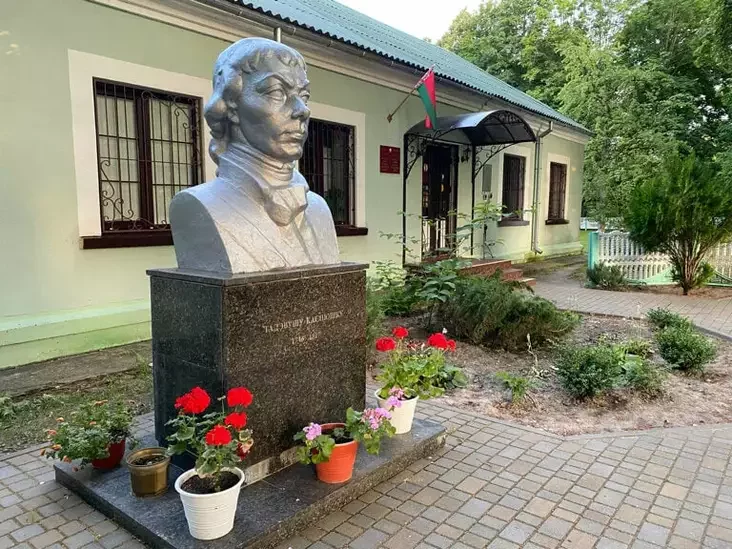
In May 2025, in Malyja Siahnovichy, Kościuszko's bust and the exhibition about the hero in the local museum were secretly removed.
In 2024, in Kobryn, Kalinoŭski Street was renamed, and the renaming of the street of the same name in Minsk was announced. The gymnasium in Svislach, which bore Kalinoŭski's name, was named after a Soviet underground activist.
Realizing that the European past remains popular in society, the regime began to pressure the sphere of culture and tourism. Everything related to the gentry is automatically equated with "propaganda of Polishness."
The popular history park "Sula" experienced harassment from pro-government propagandists. They disliked the propaganda of the "Polish component of our history," mentions of Jesuits, the glorification of the gentry and King Stefan Batory, who triumphantly defeated the Russian tyrant Ivan the Terrible in the Livonian War. It is indicative that as a result, the legal entity "Peasant (Farm) Economy 'Grand Duchy of Sula'" changed its name to "Peasant (Farm) Economy 'Land of Treasures'."
This year, the "Our Grunwald" festival-reconstruction was also canceled — the victory of the combined army of the Grand Duchy of Lithuania and Poland no longer fits the permitted canon.
Against the backdrop of this anti-national policy, where everything non-Russian is declared Polish and therefore overtly hostile, stripping noble estates of their protected status appears less as a cynical concern for good reporting and more as a continuation of the ideological purge of Belarus from any signs of distinctness.
«Nasha Niva» — the bastion of Belarus


Comments