


Millions of people use mouthwash daily, believing it's good for their teeth. But more and more experts are arguing that for most people, these products are not only unnecessary but in some cases can even increase the risk of serious health problems.
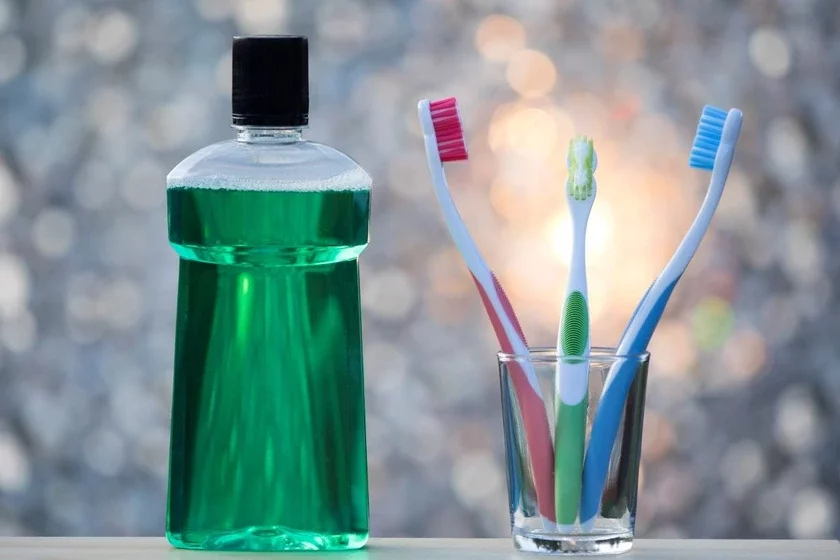
Mouthwashes have long been advertised as a means for fresh breath, preventing tooth decay and killing bacteria. However, as reported by the Daily Mail, whose journalists spoke with experts, for many people this product is superfluous and can even cause harm.
Professor David Conway of the University of Glasgow Dental School advises against using mouthwash for daily hygiene. In his opinion, there is no need for it if a person brushes their teeth properly.
A key argument in favor of many mouthwashes is the presence of sodium fluoride — a chemical that strengthens tooth enamel. Professor Conway explains that it does not provide the same protection as proper brushing with foaming toothpaste, which adheres better to the teeth.
The problem, according to him, is that too many people rinse their mouths with water immediately after brushing their teeth, which simply washes away the fluoride. According to the expert, it is better to simply spit out the remaining toothpaste and not rinse your mouth. In this case, the fluoride continues to act, and the need for mouthwash disappears.
Harmful ingredients
Specialists are particularly concerned about the composition of some products. A number of mouthwashes contain up to 27% alcohol. Alcohol is indeed effective at killing bacteria, but at the same time, it is a carcinogen — it increases the risk of oral, throat, and laryngeal cancer.
As early as 2014, the International Agency for Research on Cancer found a link between mouthwash use and oral cancer, though only in those who used them more than three times a day.
Other antibacterial components also raise questions. For example, chlorhexidine is a powerful antiseptic. It helps in the treatment of gum inflammation, thrush, and mouth ulcers. However, as Conway notes, apart from short-term treatment of specific diseases as prescribed by a dentist, it should not be used regularly.
Studies also link chlorhexidine and another antiseptic — cetylpyridinium chloride — to an increased risk of cardiovascular disease.
Scientists suggest that the problem is that these substances destroy not only harmful but also beneficial bacteria in the mouth. The latter help convert nitrates from food (salads and vegetables) into nitric oxide — a substance the body uses to regulate the cardiovascular system.
Praveen Sharma, associate professor at the University of Birmingham and scientific advisor to the British Dental Association, says that science is only beginning to understand the role of the oral microbiome. Therefore, in his opinion, one should not needlessly destroy all bacteria with antiseptics.
Experts particularly advise caution when using mouthwashes against bad breath. According to Sharma, bad breath is often a symptom of gum disease. In such a case, mouthwash only masks the problem, like an air freshener, but does not treat it.
Nevertheless, as experts note, for some, mouthwash can be an additional aid. For example, for those at increased risk of tooth decay, fluoride mouthwash can be beneficial. Such people should brush their teeth with fluoride toothpaste in the morning and evening, and additionally use mouthwash in the middle of the day.
Simple ways to avoid bad breath
Experts also remind that bad breath can be fought without aggressive antiseptics. Sufficient saliva production is very important, as it naturally washes away bacteria and food residues.
A 2021 Korean study showed that dehydration worsens bad breath: people with insufficient water intake produced less saliva and had an increased amount of sulfur compounds that cause odor.
Simple habits can also help — sugar-free chewing gum, especially with xylitol, as well as crunchy vegetables and fruits like apples, carrots, and celery. They mechanically clean the mouth during chewing.
Green tea can also be beneficial, as it is believed to reduce the number of bacteria that produce sulfur compounds.
However, coffee, energy drinks, and skipping meals, on the contrary, can worsen the situation, as they contribute to dry mouth.
Now reading


"As long as we remember our own, no one will steal them from us." Hurnievič explained why Parfyonov's opinion on Chagall means "to the 'lilac moon'" for us


Comments