


The new EU entry system is expected to be fully operational from today
Passport stamps will be replaced by electronic entry and exit records.
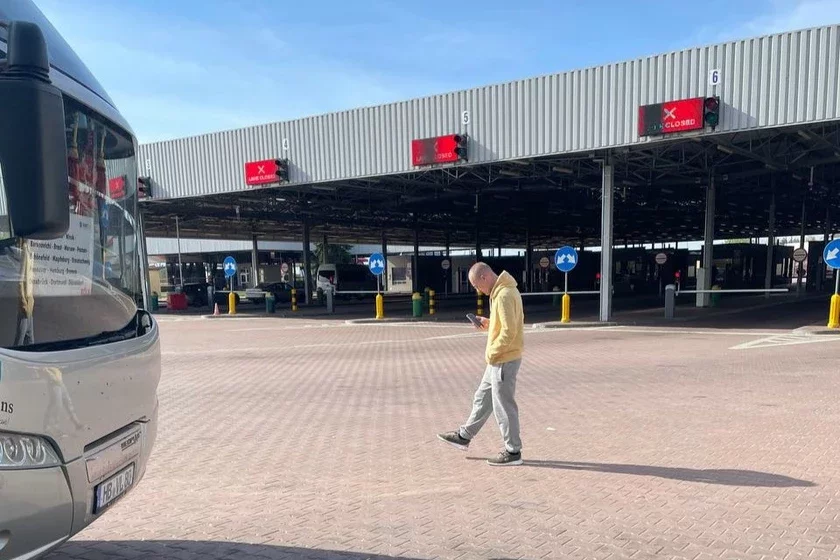
The new EES system will be fully implemented from April 10th and could significantly modernize control in the EU, though it won't be without initial glitches, Euronews reports.
Travel to Europe in the coming days may noticeably change. The EU Entry-Exit System (EES), which began its phased rollout on October 12th last year in 29 European countries, will become fully operational from April 10th, 2026.
This means that passport stamps will be replaced by electronic records of entry and exit, as well as instances of refusal of entry for short-term travelers from non-EU countries.
Biometric data, such as facial images and fingerprints, as well as personal data from your travel document, will also be recorded. According to the European Commission, since the system's inception, over 24,000 people have been denied entry due to expired or forged documents, or because they could not convincingly justify the purpose of their trip. More than 600 people have been identified as posing a threat to European security.
Planning a trip to Europe in the coming months? Here's what's important to know.
Who does the EES system apply to, and who is exempt?
The EES system applies to citizens of non-EU and non-Schengen countries who are traveling to Schengen Area or EU countries for short stays of up to 90 days within a 180-day period.
This rule specifically includes citizens of the United Kingdom, as well as visa-exempt travelers, regardless of whether they are traveling as tourists or for business. The system also applies to property owners in EU countries if they do not have a residence permit.
However, Ireland and Cyprus are exempt from using EES — they will continue to perform manual passport checks.
Certain categories of travelers are also exempt from the EES system.
-
Olga Karach's acquaintance, convicted of espionage, was extorted for money in prison. He boasted that he could get it from the Belarusian embassy.
-
A Zip Line Will Operate for Two Days in Minsk's Chavez Park — An Attraction with a High-Speed Descent
-
Lukashenka ordered former security forces, rescuers, and diplomats dismissed 'for discrediting reasons' to be monitored for five years
Now reading


«In four days she was emergency hospitalized three times». Belarusian woman ended up in an immigration prison in the USA after a domestic dispute with her partner

«In four days she was emergency hospitalized three times». Belarusian woman ended up in an immigration prison in the USA after a domestic dispute with her partner


We told you: "Don't think this is small change"! Data revealed on how much income tax Belarusians in Lithuania transferred to various public structures


Comments