


The hunt for lard and meat has begun at Komarovka — what costs how much at the market in October
Conversations near the meat rows are gradually changing — buyers are increasingly asking which lard is better for salting, which pork is suitable for homemade preparations, and how much it will cost to stock up on meat for the winter.
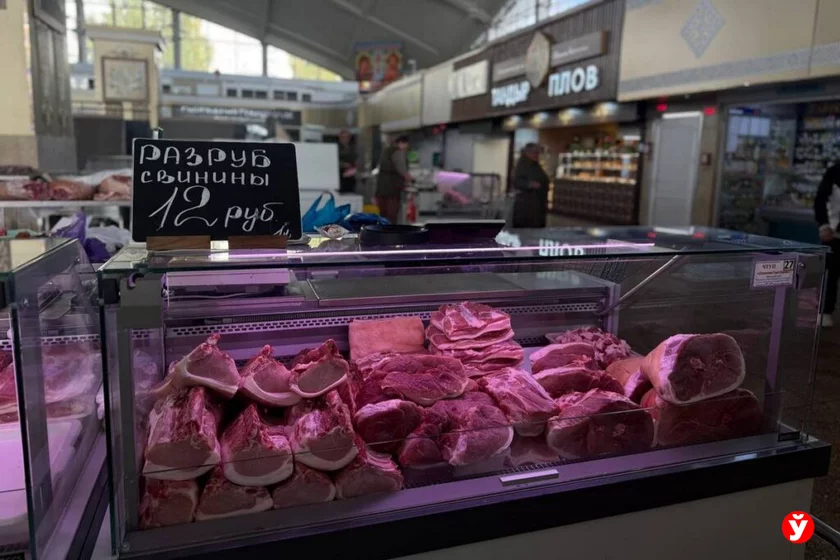
The most obvious option for winter stocks is lard. Large pieces are now offered at the market for approximately 20 to 30 rubles per kilogram, writes Mlyn.by.
The price depends on the piece itself: its thickness, meat layers, and other characteristics.


For classic salting, buyers often choose dense lard that holds its shape well after preparation.

If you want a "two-in-one" option, there's brisket. It combines meat and lard, resulting in a richer and more satisfying option after salting.

Brisket for salting — about 25 rubles per kilogram.
What about meat?
Neck — 25 rubles per kilogram, it has a sufficiently large amount of fat layers: the meat turns out juicy and is well suited not only for shashlik but also for other cooking methods.
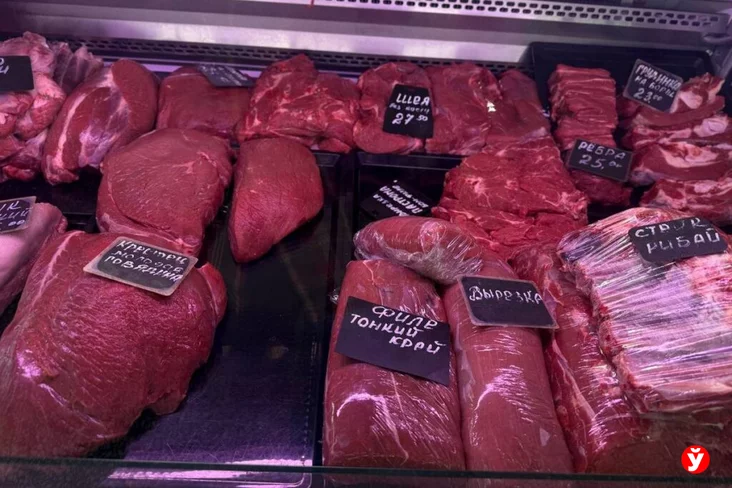

Ribs — 25 rubles per kilogram.
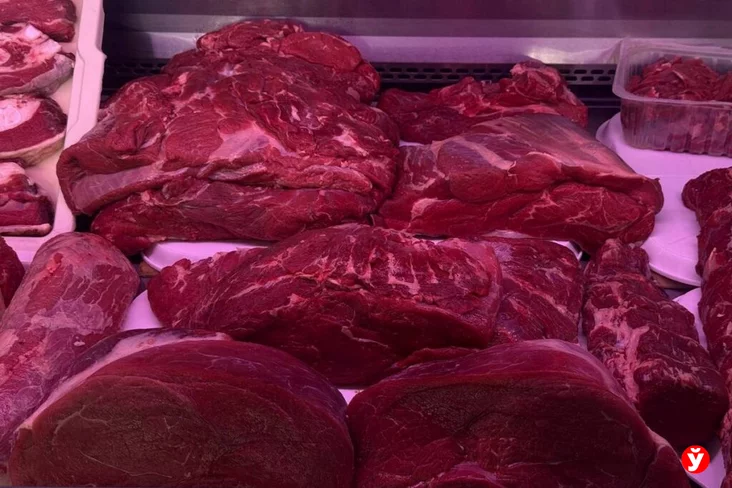
But ham costs more — about 35 rubles per kilogram. This is a meatier part that can be used for making smoked meat.
There is also the most budget-friendly option — pork cuts for 12 rubles per kilogram.

For classic salting, not many ingredients are needed. Salt, spices, garlic — and the base for a homemade snack is already there. Homemade lard doesn't necessarily have to be an expensive pleasure. Especially if you buy several kilograms at once and choose pieces according to price.
Tips for salting meat and lard
For the classic dry method, lard is rubbed with coarse salt, garlic and spices are added, placed in a container, and left in the refrigerator for several days. Pieces can be turned periodically to ensure even salting.
The main tip: it's better not to skimp on salt — lard absorbs it in a limited amount, so oversalt it with the dry method is harder than it seems.
For salting meat, it's important that the pieces are fresh and small. Before cooking, the meat is thoroughly dried, rubbed with a mixture of salt and spices, and put in the refrigerator. The time depends on the size of the piece and the specific recipe.
Don't immediately take a huge piece "by eye". For homemade salting, it's more convenient to divide the meat into several parts — this way it will salt more evenly, and finished pieces can be taken out gradually.


Comments